It's bedtime, and the light's off, and you think they're asleep. Then a small voice in the dark says, "Thank you for the pancakes." Not for the trip, or the toy, or anything you planned. The pancakes, from breakfast, which you'd forgotten all about.
That's gratitude. Not the "say thank you to the lady" kind, prompted and mumbled, but the real thing: a child noticing something good and feeling warmth towards where it came from. It can't be squeezed out of a child. But it can be grown, slowly, like most good things.
How thankfulness shows up
At 3 to 5, gratitude is mostly delight. A little one who claps when the bus arrives, shrieks at a rainbow or hugs the dog for being there is feeling something close to thankfulness, even without the word. "Thank you" at this age is often a habit learned from you, and that's a fine place to start.
Between 6 and 10, gratitude becomes more real and more thoughtful. A child might thank a friend for waiting, notice when you've worked hard on dinner, or say they're glad about the sunshine. They start to understand that good things often come from someone's effort or kindness.
Gratitude can hide inside other feelings too. A child who wants to give back, by drawing you a picture or helping carry the bags, is often saying thank you in their own way.
Why it takes time to grow
Young children are naturally focused on what they want and need right now, which is exactly how it should be at that age. Seeing where good things come from, and feeling warm towards it, takes time and a lot of noticing.
Gratitude also grows best from having enough: enough attention, enough time, enough care. A child who feels rushed or overlooked has less room to notice what's good. And it can't really be taught by lecture. It's caught, mostly, from grown-ups who notice good things out loud.
When thankfulness bubbles up
When a child says thank you unprompted, or you see them glowing at something lovely, let it land. Smile, receive it, and say how it made you feel. "That's such a kind thing to say. It made me feel warm."
You can also gently widen their noticing in the moment. If they're delighted by strawberries, wonder aloud together where they came from: the plant, the sun, the person who picked them. It's not a lesson, just curiosity shared.
And try to resist adding a "see, aren't you lucky" on top. Gratitude that's pointed out too firmly tends to curl up and hide.
- Let it landSmile and receive it, then say how their thank-you made you feel warm inside.
- Wonder where fromGently wonder aloud where a good thing came from: the plant, the sun, a helping hand.
- Skip the lectureResist adding "aren't you lucky". Gratitude pointed out too firmly tends to hide.
Gratitude that grows outside
A thank-you walk is a lovely habit. On an ordinary stroll, each of you notices something you're glad of: a tree for shade, a puddle for jumping, a bench for resting. Little ones can thank things out loud; older children might keep a small list or draw one favourite at home. Pairing it with the joy of finding things makes it feel like a game rather than a lesson.
A thank-you pebble is another. Pick up a small stone, whisper a thank-you for one thing from today, and leave it by a plant or tree. Over time, a little pile builds up, a quiet record of good days. For children who struggle to wait or feel content, the guide on teaching patience to kids pairs gently with this.
What you'll need
- A short walk on an ordinary day
- A small pebble for each thank-you
- A plant or tree for the pebble pile
- A few quiet minutes at bedtime
Our tips
- When a thank-you comes, let it land and say how warm it made you feel.
- Wonder aloud where good things come from: the plant, the sun, a helping hand.
- Skip the "aren't you lucky". Gratitude pushed too hard tends to hide.
For the fridge: one small step a day
- MonShare one good thing at bedtime
- TueGo on a thank-you walk
- WedWonder where the strawberries came from
- ThuThank a tree for its shade
- FriLeave a thank-you pebble by a plant
- SatSay thank you warmly where they can hear
- SunAsk: what are you glad about tonight?
Words to try
- "That made me feel so warm. Thank you."
- "What's one good thing about today?"
- "Shall we say thank you to the tree for its shade?"
- "Who helped make this happen?"
- Try asking (afterwards): "What are you glad about tonight?"
A week to try
For the fridge: one small step a day
- MonSay thank you to the sun for three things 10 mins
- TueSay thank you warmly yourself, out loud 0 extra mins
- WedAdd a thank-you stone to a little cairn 10 mins
- ThuTrace your lunch back to the ground 15 mins
- FriWalk to someone's door and thank them in person 20 mins
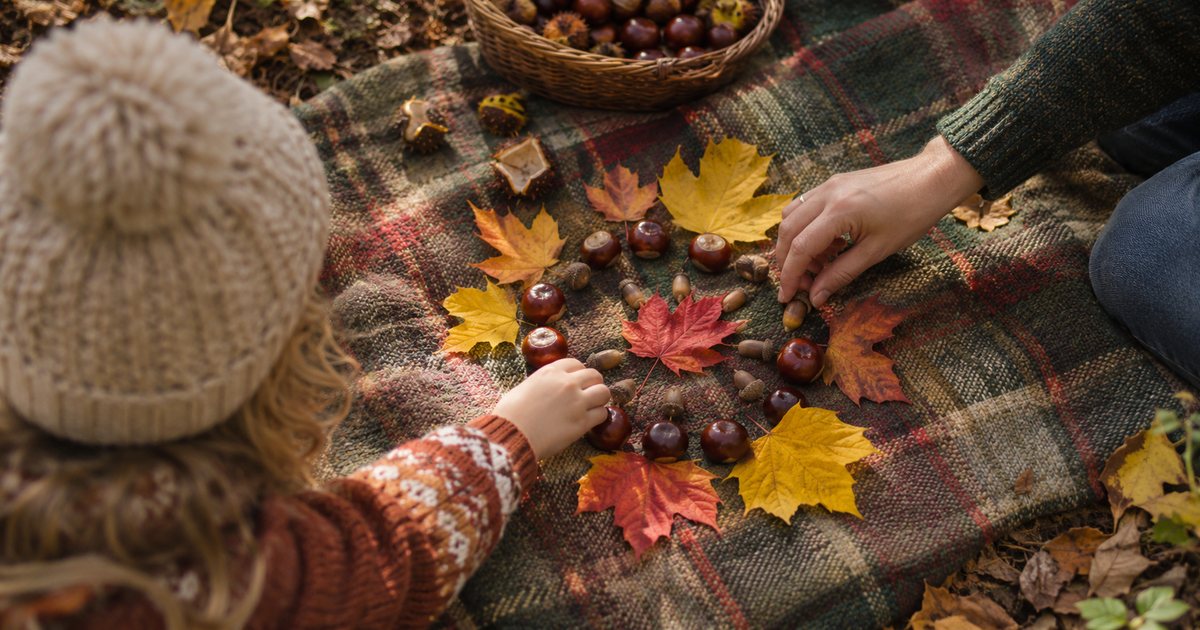
- SatMake a thank-you circle of natural things 20 mins
- SunAt bedtime, three good things from today 10 mins
We will put each day on your family calendar, starting today, with the matching mission ready to open.
Questions parents ask
How do I teach my child to be grateful?
Mostly by showing it. When grown-ups notice good things out loud and say thank you warmly, children pick it up. Small rituals help too, like sharing one good thing at bedtime or a thank-you walk at the weekend. Keep it light and real, and avoid making children feel guilty for not being grateful enough.
Is it normal for my 5-year-old to seem ungrateful?
Yes. At five, children are still very focused on their own wants, and that's healthy and expected. Disappointment after a present, or forgetting to say thank you, isn't a sign of a spoiled child. Gratitude develops gradually through the primary years, as children begin to see how much care goes into the good things around them.
Should I make my child say thank you?
Gentle prompting is fine, as it builds a kind habit. But forcing a thank-you, especially with an audience, can turn it into a chore. Model it warmly, prompt softly, and let it go if they're not ready. Real thankfulness usually shows up on its own once a child feels safe and noticed.
Wundoria is a set of eight story worlds for children aged 3 to 10, where every story ends with missions to do outside together. Our guides are written to support everyday family life; they are not medical advice. If you are worried about your child, talk to your GP or health visitor.
Play world one free All of feelings