The drawing gets screwed up and thrown on the floor. "I can't do it. I'm rubbish at everything." You rush in with "No you're not, you're brilliant," and somehow it doesn't land. Your child just looks at you, the way you'd look at someone who is paid to say nice things.
It hurts to hear a child talk about themselves like that. And it's frustrating, because you can't argue them out of it. Real confidence isn't something we can talk a child into. It grows slowly, from small successes that are actually theirs, and the outdoors happens to be full of those.
Where the "I can't" comes from
Confidence that lasts is built on evidence rather than praise. When a child climbs a little higher than yesterday, builds a den that stays standing, or finally makes it along the log without stepping off, the brain quietly files it away as proof: "I can do hard things." Big, general praise like "you're amazing" feels lovely for a moment, but it gives the brain nothing to hold on to.
The harsh self-talk often turns up somewhere between six and nine, when children start comparing themselves with others for the first time. Someone else's drawing looks better. Someone else runs faster. It's a normal stage, though it doesn't feel normal at the kitchen table, and it's a good moment to start teaching a kinder inner voice.
So what helps is fairly simple, even if it isn't always easy on a tired afternoon: plenty of challenges they can just about manage, noticing their effort and the way they went about things rather than their talent, and letting them hear you being kind to yourself when you get things wrong.
The voice they'll take with them
The way a child speaks about themselves at six often becomes the way they speak about themselves at sixteen. A child who learns "I can't do it yet, but I can try another way" carries that steadier voice into exams, friendships, sport and their first jobs. Quiet confidence isn't loud or showy. It's more of a knowing underneath: effort tends to pay off, and mistakes are survivable.
Small proof, often
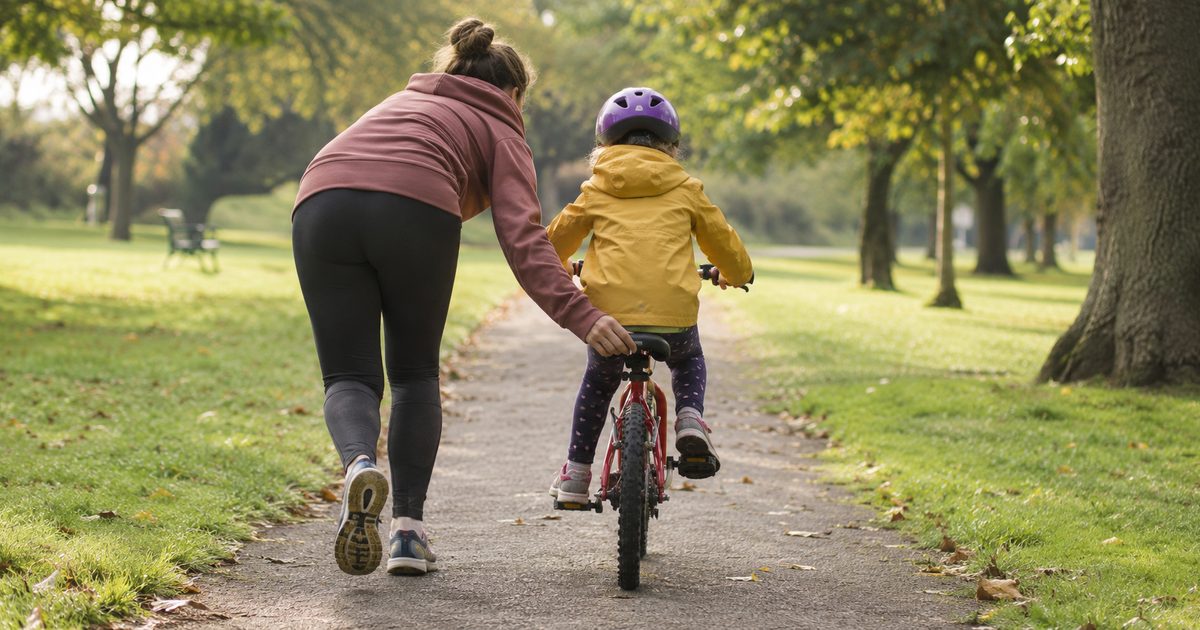
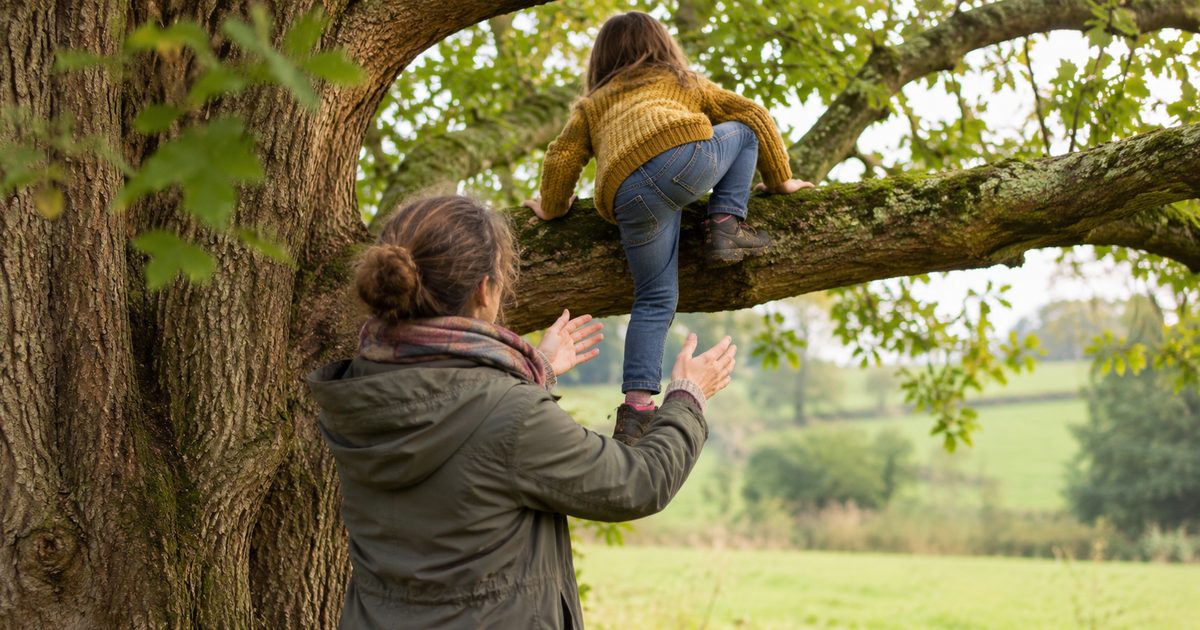
Look for challenges that sit just past yesterday's. Climbing trees, balancing along low walls, building dens, crossing stepping stones. Let your child choose one that's slightly harder than last time, stay close, and try very hard not to do it for them, even when your hands are itching to. With little ones, that might mean stepping from stone to stone holding your hand, and then one day without it. Older children, around nine or ten, might plan and build a den that actually keeps out the rain. Each success, however small it looks to you, adds to their store of evidence.
Notice the effort, and name what they did. Instead of "you're so clever", try something specific: "You kept trying different branches until you found one that held you." It sounds like a small change, but it teaches children that success comes from things they can control. For a three-year-old, "You did it all by yourself," said plainly, is plenty. With older children, turn it into a question: "What did you try that worked?"
When the harsh voice comes out, meet it with a kinder one. If your child says something cruel about themselves, gently ask, "Would you say that to your best friend?" Then help them find a sentence that is both kinder and true. It helps enormously if they hear you doing it too: "Oops, I burnt the toast. Never mind, I'll try again." Younger children often find it easier to be kind to someone else first, so a toy who "needs cheering up" with kind words can do a lot of the work. Older ones might write down three true, kind things about themselves, which is harder than it sounds, for adults too.
And give them small jobs that genuinely matter. Watering the plants, feeding the birds, carrying the picnic. Being needed is a deep source of worth. One simple daily job is right for a little one; a nine- or ten-year-old might own a job for the whole season, and notice when nobody else does it.
- Just past yesterdayLet them pick a challenge slightly harder than last time, and stay close without doing it for them.
- Name the effortSwap "you're so clever" for what they actually did, like trying branch after branch until one held.
- A kinder voiceAsk "Would you say that to your best friend?" and let them hear you being kind to yourself too.
- Jobs that matterGive a small real job, like watering plants or feeding the birds, because being needed builds worth.
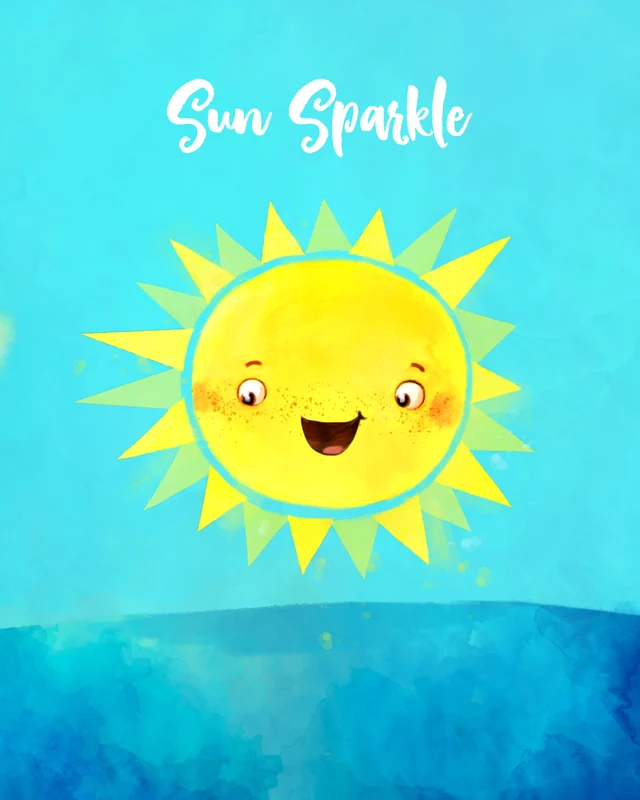
Sun Sparkle, the smiling sunIn the stories, Sun Sparkle shows that a child's brightness is always there, even on cloudy days, already shining and waiting to be remembered. Meet Sun Sparkle
What you'll need
- Stepping stones, a low wall or a fallen log
- A tree to climb or sticks for a den
- One small daily job that really matters
- A soft toy that needs cheering up
Our tips
- Pick a challenge just past yesterday's, then keep your hands in your pockets.
- Praise the way they went about it, not how clever they are.
- Let them hear you be kind to yourself when the toast burns.
Words to try
- "You can't do it yet. Shall we try a different way?"
- "I noticed how you kept going even when it was tricky."
- "Would you talk to your best friend like that?"
- Try asking: "What's something you can do now that you couldn't do last summer?"
When to ask for more help
If your child often talks about hating themselves, seems sad or withdrawn most of the time, or their low confidence is stopping them doing things they used to enjoy, talk to their teacher and your GP.
Playbook: one week
For the fridge: one small step a day
- MonGive a small, real daily job 5 mins
- TueStepping-stone or log-balancing challenge 15 mins
- WedPractise effort noticing all day 0 extra mins
- ThuThe kind-voice game with a toy 10 mins
- FriTree climbing or den building 30 mins
- SatA bigger outdoor challenge they choose 1 hour
- Sun"What can you do now that you couldn't before?" 10 mins
We will put each day on your family calendar, starting today, with the matching mission ready to open.
Questions parents ask
Is it wrong to tell my child they're amazing when they say they're rubbish at everything?
It isn't wrong, but on its own it rarely helps, because general praise gives a child nothing real to hold on to. Instead, acknowledge the feeling and point to something specific: "That was tricky. I noticed you tried three different ways." Noticing effort and strategy gives your child evidence that they can do hard things, and that kind of confidence lasts.
Is it normal for a 7-year-old to compare themselves to other children and say they're not good enough?
Yes, it's very common. Many children start comparing themselves with others between about six and nine, and harsh self-talk often appears at the same time. It's a normal stage and a good moment to teach a kinder inner voice. Gently ask whether they'd say that to their best friend, help them find a truer sentence, and let them hear you speak kindly to yourself too.
How can I build confidence in a child who gives up as soon as something gets hard?
Offer small, manageable challenges just beyond what they managed yesterday, stay close, and resist doing it for them. Stepping stones, a balancing log or a den that has to stand up all give quick, real successes. The word "yet" helps too: "You can't do it yet. Shall we try a different way?" Each small win becomes proof that effort pays off.
Feelings in this guide
Wundoria is a set of eight story worlds for children aged 3 to 10, where every story ends with missions to do outside together. Our guides are written to support everyday family life; they are not medical advice. If you are worried about your child, talk to your GP or health visitor.
Play world one free How Wundoria works