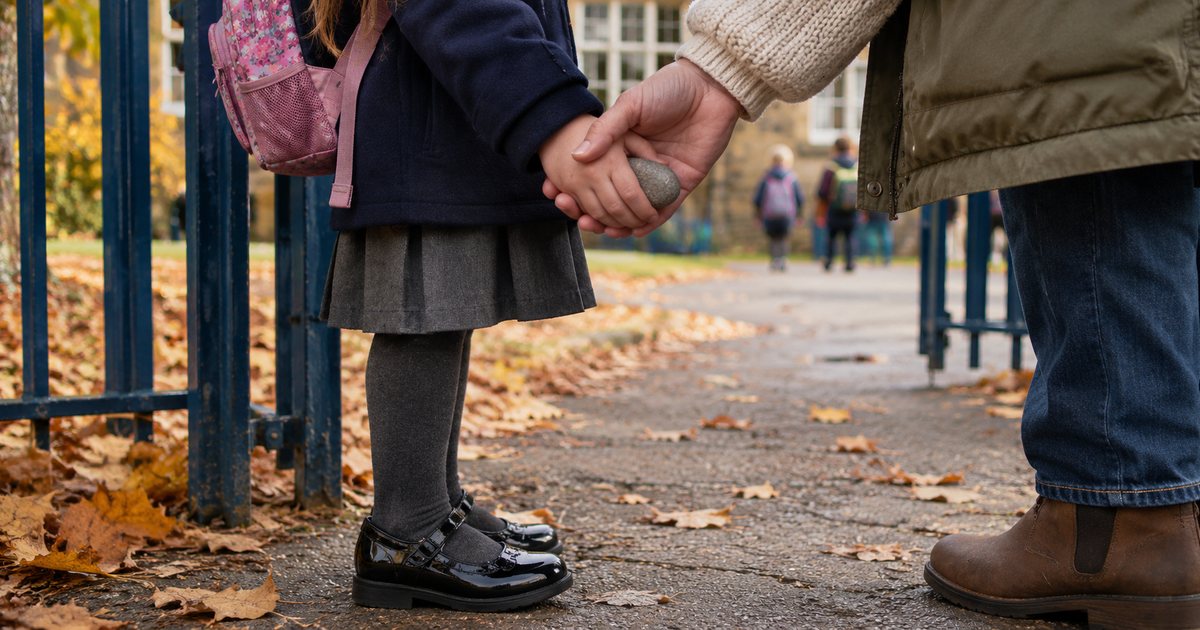
It's the night before the swimming gala, and bedtime keeps stretching. One more drink. One more question about what happens if they forget which stroke to do. In the morning breakfast goes untouched, and at the door your child says their tummy feels funny and could they maybe stay home.
That fluttery, uncertain feeling is nerves. It's the body getting ready for something that matters: a first day, a performance, a test, a new club, a party full of faces they don't know yet. Nerves aren't the same as deep worry. They tend to gather around one moment and fade once it's passed. But while they're here, they can feel enormous.
Butterflies, tummy aches and silliness
At 3 to 5, nerves often show in the body. Tummy aches, needing the loo again, clinging to your leg, hiding behind you, or suddenly refusing to put shoes on. Some little ones go very quiet. Others get silly and loud.
At 6 to 10, children may tell you outright, "I'm nervous," or they may circle the question with lots of "what if" talk. Sleep can get restless the night before. Some say they don't care about the event at all, which is often a sign they care a great deal.
Nerves can hide as grumpiness, as picking a fight with a sibling, or as a sudden wish to give up the very thing they were looking forward to.
Why the butterflies come
When something feels important and a little unknown, the body gets ready to act. The heart speeds up, breathing gets quicker, and blood moves away from the tummy, which is where the butterflies come from. It's an old, useful response. It just doesn't always feel useful when you're six and about to play the triangle in assembly.
New places, new people and being watched all make nerves stronger. So does not knowing what will happen next.
When the butterflies start
Name the feeling and make it normal. "Lots of people feel butterflies before something new. It means it matters to you." Children are often relieved to hear that grown-ups feel nervous too.
Then bring their attention down into their body. A slow breath out, longer than the breath in, helps the butterflies settle. Try blowing out an imaginary birthday candle very slowly, or feeling both feet pressing into the ground.
Make the unknown smaller. Talk through what will happen, step by step. Where will they go first? Who will be there? What happens at the end? Children cope much better with something they can picture. If nerves are tied to school itself, the guide on school anxiety and mornings goes deeper.
- Make it normalTell them butterflies are common and simply mean that this moment matters to them.
- Breathe out slowlyBlow out an imaginary candle, letting the breath out last longer than the breath in.
- Feel the groundPress both feet into the ground and notice how it holds them, solid and steady.
- Walk it throughTalk through what happens step by step, so the unknown becomes something they can picture.

The Wind People, the breath of the worldIn the stories, the Wind People turn breathing into something magical to play with. A slow, deep breath is welcoming the air, welcoming life. Meet The Wind People
Roots before the big day
Trees are wonderful company for nervous children. On the way to something new, stop at a tree and both put a hand flat on its bark. Feel how rough and still it is. Imagine roots going down from your feet like the tree's, holding you steady. Little ones love to stand like trees, swaying slightly but never falling over. Older children might pick one tree near school to greet each morning.
Practise the new thing outside, too. A walk past the new school, a peek at the swimming pool, a slow lap of the hall before a performance. Each small visit makes the place feel a little more ordinary, and ordinary places are easier to be brave in.
What you'll need
- A friendly tree to put a hand on
- A walk past the new place
- A few minutes to talk the day through
- An imaginary candle to blow out
Our tips
- Tell them butterflies just mean this matters to them.
- Breathe out longer than you breathe in, like a slow candle.
- Walk past the new place first. Ordinary places are easier to be brave in.
For the fridge: one small step a day
- MonSay it: butterflies mean it matters
- TueHands flat on a tree's bark together
- WedPractise slow candle breaths
- ThuWalk past the new place for a peek
- FriTalk the big day through, step by step
- SatStand like trees, roots in the ground
- SunAsk: where did the butterflies go?
Words to try
- "Butterflies mean this matters to you."
- "Let's breathe out slowly, like blowing out a candle."
- "Feel your feet on the ground. You're steady."
- "You don't have to feel ready to be ready."
Try asking (afterwards): "Where did the butterflies go once you got started?"
When to ask for more help
Nerves before big moments are a normal part of growing up. Talk to your GP, health visitor or your child's school if nervousness spreads to most days rather than special events, if tummy aches or headaches keep your child away from school or activities, or if it stops them doing things they used to enjoy. Ongoing worry is a little different from nerves, and the guide to calming an anxious child can help you tell them apart.
A week to try
For the fridge: one small step a day
- MonPractise slow out-breaths while everyone is calm 5 mins
- TueHands on bark, roots down 5 mins
- WedVisit the new place before the big day 30 mins
- ThuTalk through the day, step by step 10 mins
- FriGive your worries to the wind 10 mins
- SatPractise the new thing outside, small and low-key 20 mins
- SunAsk: where did the butterflies go once you started? 10 mins
We will put each day on your family calendar, starting today, with the matching mission ready to open.
Questions parents ask
Why does my child feel sick with nerves?
When children feel nervous, the body sends energy away from the tummy, which can cause butterflies, nausea or needing the loo. It usually passes once the event begins. A light snack, slow breaths out and a calm walk beforehand help. If tummy aches happen most days, not just before events, talk to your GP.
How can I help my nervous child before a school play?
Practise in small, low-pressure ways, like running lines on a walk or singing in the garden. Talk through the day step by step so it feels familiar. Before going on, try slow breaths out and pressing feet into the floor. Remind them that butterflies are normal, and that you'll be proud of them however it goes.
Is my child nervous or anxious?
Nerves usually gather around a particular moment, like a test or a first day, and fade once it passes. Anxiety tends to linger, spread to lots of situations and get in the way of everyday life. If worry is showing up most days, or stopping your child from doing ordinary things, it's worth speaking to your GP or school.
Wundoria is a set of eight story worlds for children aged 3 to 10, where every story ends with missions to do outside together. Our guides are written to support everyday family life; they are not medical advice. If you are worried about your child, talk to your GP or health visitor.
Play world one free All of feelings