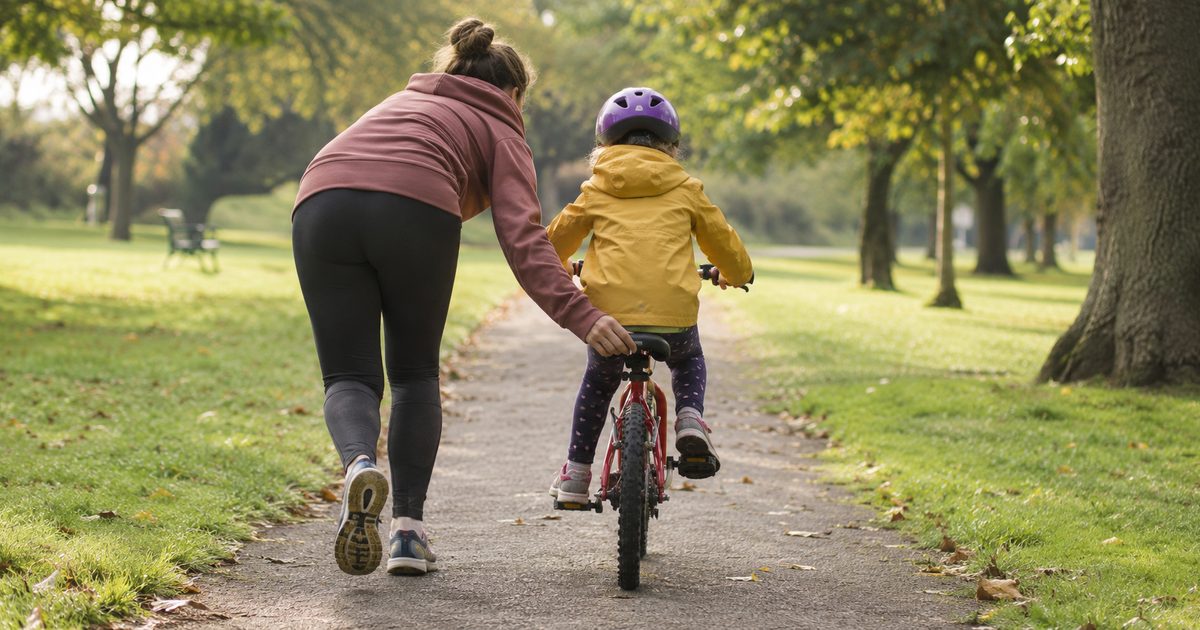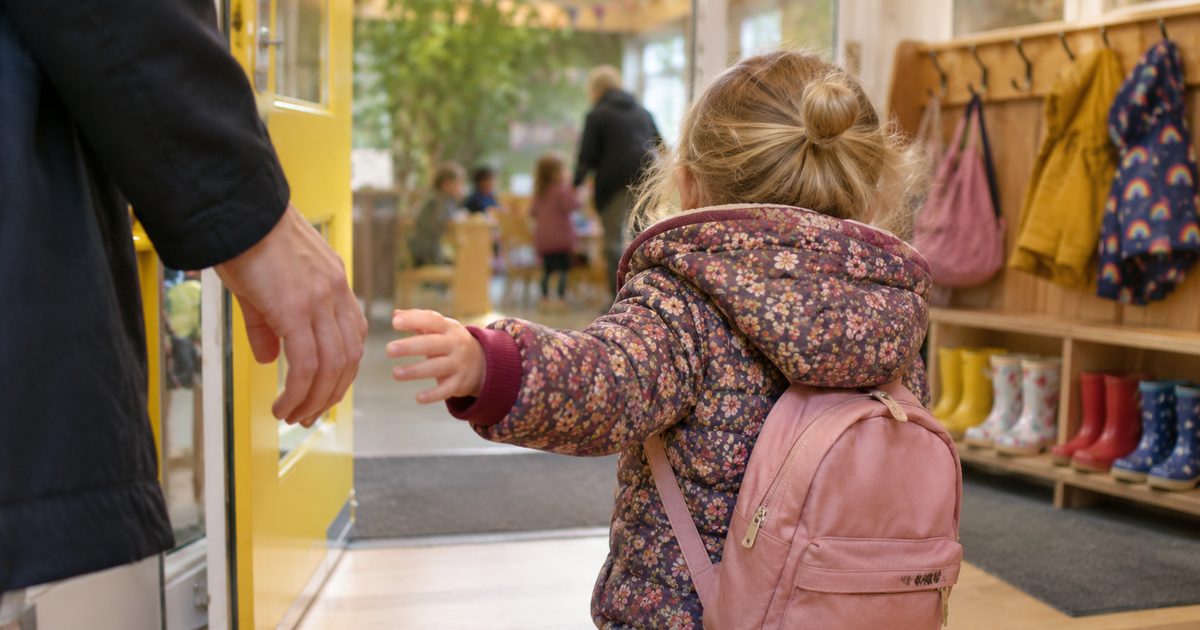
Small arms wrapped round your neck like a scarf. A wail that follows you all the way down the nursery corridor. The staff smile kindly and tell you they'll be settled in five minutes, and you believe them, mostly. Then you sit in the car anyway, keys in your hand, not quite able to drive off.
It may help to hold onto this: those tears mean your child loves you and feels safe with you. Separation anxiety is not a sign that something has gone wrong. Very often it shows that something has gone right.
Why goodbye feels so big to them
As babies grow, they discover that the people they love are separate from them and can leave. Before they understand that you always come back, that discovery can be frightening. The NHS describes separation anxiety as very common between about 6 months and 3 years (NHS), and NHS Healthier Together calls it a normal part of development, usually a sign of how well you've bonded (NHS West Yorkshire).
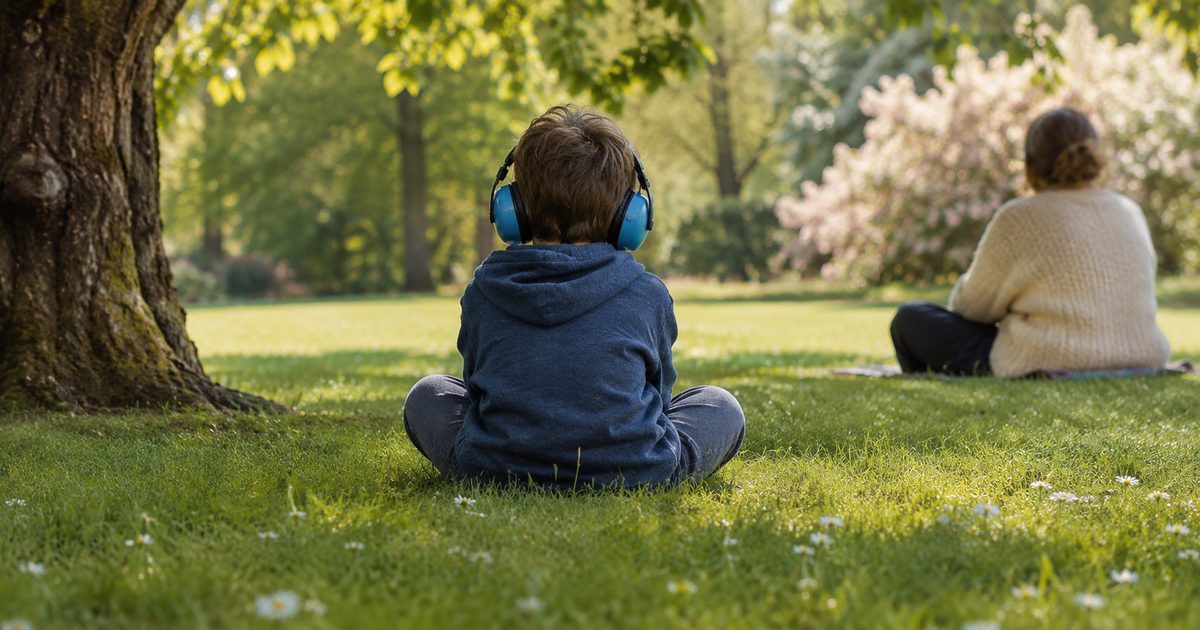
It can come back at older ages, too, around big changes such as starting school, moving house, a new baby or a family upset. It often looks like clinginess, tears at goodbyes, tummy aches or trouble sleeping alone.
What helps is making separations predictable, short and survivable, over and over, so the brain slowly collects its proof: my grown-up leaves, and my grown-up comes back. Sneaking away, or long and anxious goodbyes, tend to make the next one harder, however kind they feel at the time.
Carrying love on the inside
Learning to separate well is really learning to carry love around inside you. A toddler who finds out that goodbyes are safe can become a five-year-old who skips into school, a ten-year-old who manages a sleepover, and in time an adult who can leave home, travel and love people from a distance while still feeling held. That inner security goes very deep.
Goodbyes, pebbles and coming home
Start with little goodbyes in safe places and build up gently. A few minutes with a grandparent while you pop to the shop, then a bit longer next time. Every return adds to the proof. And always say goodbye rather than slipping away, even when slipping away looks easier, so that trust stays strong. With three to five year olds, ten minutes is a good place to begin; for nine and ten year olds, the next step might be a first sleepover at a familiar friend's house.
On your walks together, look out for a small natural treasure: a smooth pebble, an acorn, a pretty leaf. On days when you'll be apart, your child can take one in their pocket as a reminder of you and of your time outside. Holding something small and familiar soothes the body in a way words sometimes can't. Little ones love being told "this pebble holds a hug for you"; older children might like to swap treasures, so you each carry one.
Keep the goodbye itself the same every time. A hug, a special phrase, a wave from the window. Tell them clearly when you'll be back, linked to something they understand, like "after lunch and story time". Then leave calmly and confidently, even if there are tears, and let yourself have a wobble in the car afterwards if you need one. A picture of the day showing when you come back works well for the youngest; older children can help design the ritual themselves.
Then make the hello count, because reunions matter as much as goodbyes. Keep it warm and unhurried: a hug, a snack, and some time outside together before the rest of the evening takes over. It teaches your child that coming back together is something to look forward to. Little ones might take a "welcome back" walk to the same tree each time; with older children, share one good thing each of you did while you were apart.
- Little goodbyesStart with short times apart in safe places, and always say goodbye rather than slipping away.
- A pocket treasureLet them carry a pebble, acorn or leaf from your walks as a reminder of you when apart.
- The same goodbyeKeep the goodbye the same each time, and say when you'll be back, like "after lunch and story".
- A warm helloMake reunions unhurried: a hug, a snack and some time outside together before the evening.
What you'll need
- A smooth pebble, acorn or pretty leaf
- A trusted grandparent or friend
- A short, familiar goodbye ritual
- Time outside together after pick-up
Our tips
- Always say goodbye rather than slipping away, even when slipping away looks easier.
- Tell them when you will be back in their terms, like after lunch and story time.
- Make the hello warm and unhurried. Coming back together is something to look forward to.
Words to try
- "I'm going now, and I'll be back after story time. I always come back."
- "Your pebble is holding my hug. Squeeze it whenever you miss me."
- "I missed you too. Tell me about your day while we walk."
- Try asking: "What treasure should we look for on our walk tomorrow?"
When to ask for more help
If separation worries are very intense, last for weeks without easing, come back strongly in an older child, or stop your child from going to school or doing things they enjoy, talk to your health visitor, GP or school. Gentle extra support can help a great deal.
Playbook: one week
For the fridge: one small step a day
- MonTreasure walk: choose a pocket pebble 15 mins
- TueCreate your goodbye ritual together 10 mins
- WedA short practice separation with a trusted adult 15 mins
- ThuJoyful hello walk after nursery or school 15 mins
- FriDraw a picture of the day, including your return 10 mins
- SatLonger outdoor time together, swap treasures 1 hour
- SunTalk about the week's goodbyes and hellos 10 mins
We will put each day on your family calendar, starting today, with the matching mission ready to open.
Questions parents ask
Is it better to sneak out while my toddler is distracted at nursery?
It is kinder in the long run to always say goodbye rather than slipping away. Sneaking out can make the next separation harder, because your child learns you might vanish without warning. Use a short, warm goodbye ritual, tell them when you'll be back, then leave calmly and confidently, even if there are tears.
Why has my 6-year-old suddenly started getting upset when I leave again?
Separation worries can return around big changes, such as starting school, moving house, a new baby or a family upset. Go back to the basics: short, predictable goodbyes, a small treasure from a walk to keep in their pocket, and a warm, unhurried hello. If it lasts for weeks without easing, talk to your GP or school.
How do I explain to my 3-year-old when I'll be coming back?
Young children don't understand clock times yet, so link your return to something they know, such as "after lunch and story time". A simple picture of the day showing when you come back can help. Keep the words the same each time, and make sure you return when you said you would.
Feelings in this guide
Wundoria is a set of eight story worlds for children aged 3 to 10, where every story ends with missions to do outside together. Our guides are written to support everyday family life; they are not medical advice. If you are worried about your child, talk to your GP or health visitor.
Play world one free How Wundoria works