"Can you leave the door open? A bit more. And the landing light. And check under the bed." Bedtime has turned into a nightly security patrol, and even after all of it there's a small voice at midnight, calling about shadows and shapes and a noise that might have been the boiler.
Fear of the dark is one of the most common childhood fears. It usually turns up somewhere around two to four, when imagination is blossoming faster than understanding can keep up. With a bit of gentle exploring together, though, the night can become something full of wonder rather than something to dread.
What the dark does to a growing imagination
As children's imaginations grow, so does their ability to picture things that aren't there. In the dark, familiar objects lose their edges and turn into shapes, and the mind fills in the gaps. Young children are still learning where imagination ends and the real world begins, so a dressing gown hanging on the door really can feel like a monster.
Fears also grow out of things children have seen or heard: a scary film, a story someone told at school, or just a worry from the day that waits until bedtime to show itself. The NHS suggests a night light or leaving a landing light on for children who are afraid of the dark (NHS).
So the idea is to take the fear seriously without agreeing that there's something to fear, to give your child gentle, good experiences of darkness with you right beside them, and to keep bedtime calm and predictable.
Small courage, learned at night
Facing a fear in small, safe steps is one of the most useful things a child can learn. A four-year-old who makes friends with the dark, with a parent's help, learns a pattern they can use for every fear that comes after: dogs, swimming, new places, putting a hand up in class. Courage tends to come a step at a time, and the night is a good place to take the first ones.
Getting to know the night
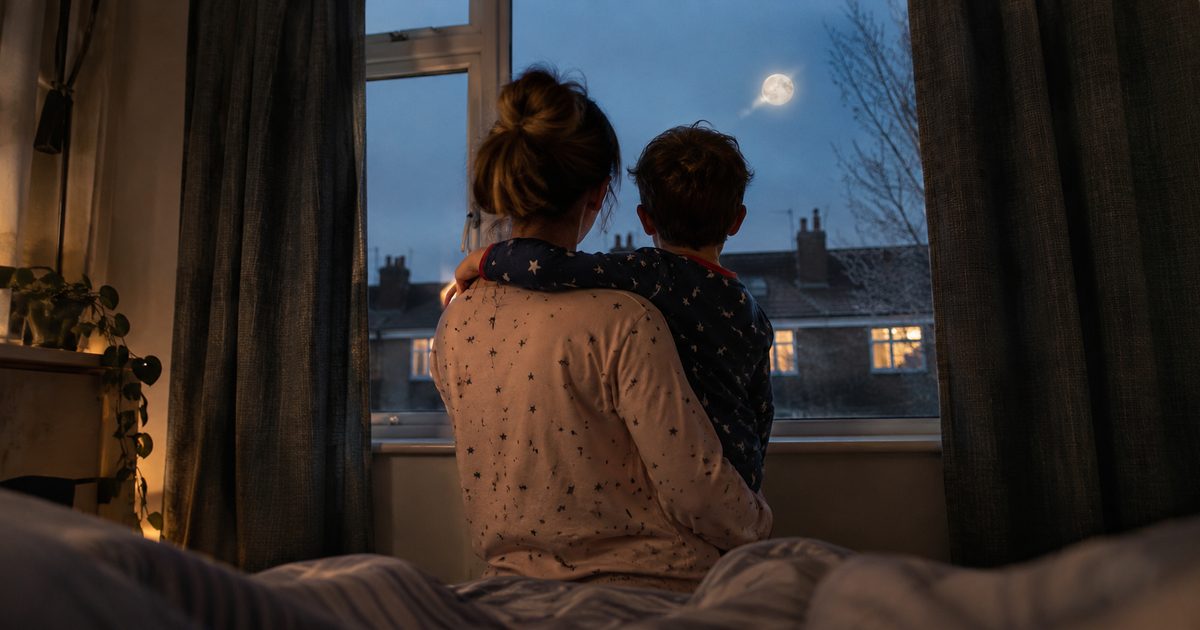
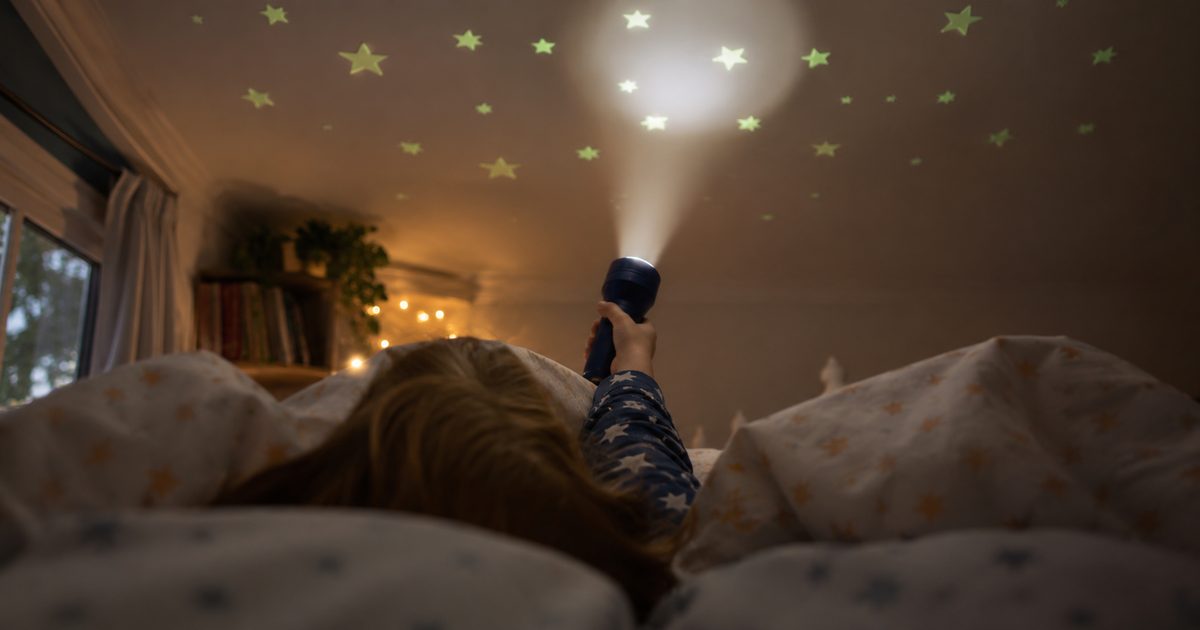
On a clear evening, wrap up warm and go out together for a short walk after dusk, with a torch. Look for the moon, find a star or two, listen for owls, and in summer watch for bats. The dark becomes a place for discovering things, shared with someone safe. For little ones, ten minutes in the garden with a torch is a proper adventure. Older children of nine or ten might enjoy stargazing with a star map.
Shadows lose a lot of their power once you've played with them. In daylight and at dusk, make shadow animals on the wall, and go round the bedroom finding out what's casting each shape. Three to five year olds love shadow puppets with your hands. Older children can do a tour of the bedroom with the lights off and name every shape they see, which can be surprisingly funny.
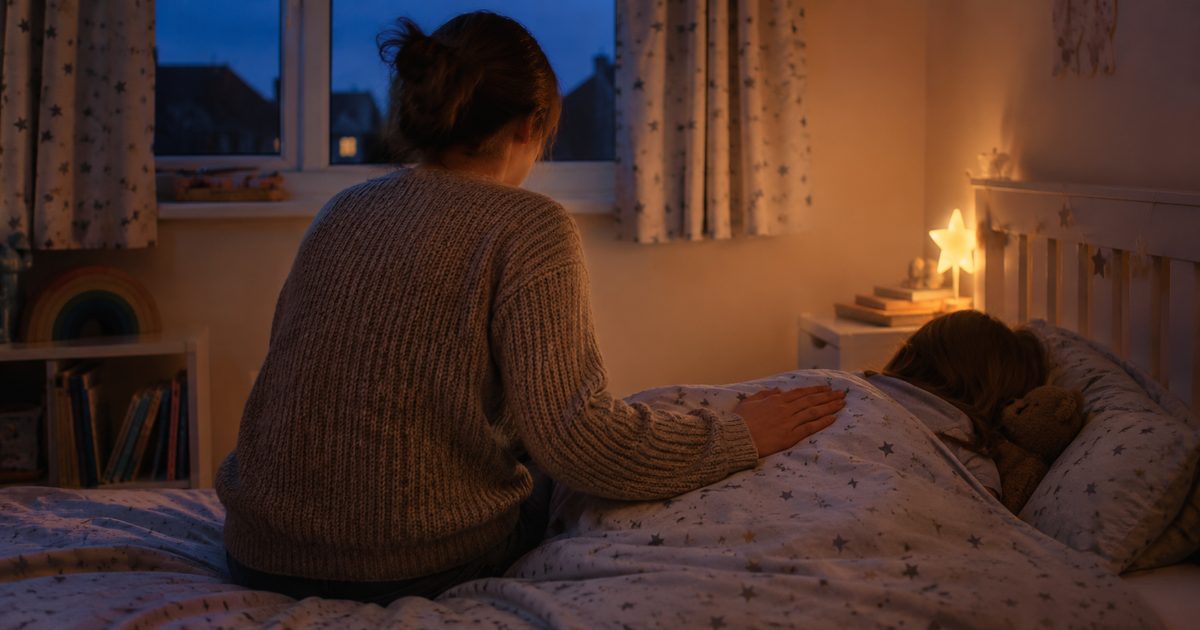
There's no need to battle on without a light, either. A warm, dim night light, or a crack of light from the landing, is a perfectly good comfort. Go for a soft, warm glow rather than bright white or blue light. Little ones often like choosing a moon or star night light themselves, while older children may prefer a torch by the bed that they control.
And keep the evenings themselves calm. Frightening shows and stories are best kept well away from bedtime, which can be filled instead with cosy, quiet tales. If there are worries, talk about them earlier in the evening rather than at lights-out, when everything feels bigger. A favourite story about the moon or night animals suits younger children. Older ones may just want a quiet chat before bed about whatever is on their mind.
- A torch walkGo out after dusk with a torch to find the moon, a star or two, and listen for owls together.
- Play with shadowsMake shadow animals on the wall and go round the bedroom finding out what casts each shape.
- A warm glowA dim, warm night light or a crack of landing light is a perfectly good comfort, soft rather than bright.
- Calm eveningsKeep scary shows away from bedtime, choose cosy tales, and talk through worries earlier in the evening.
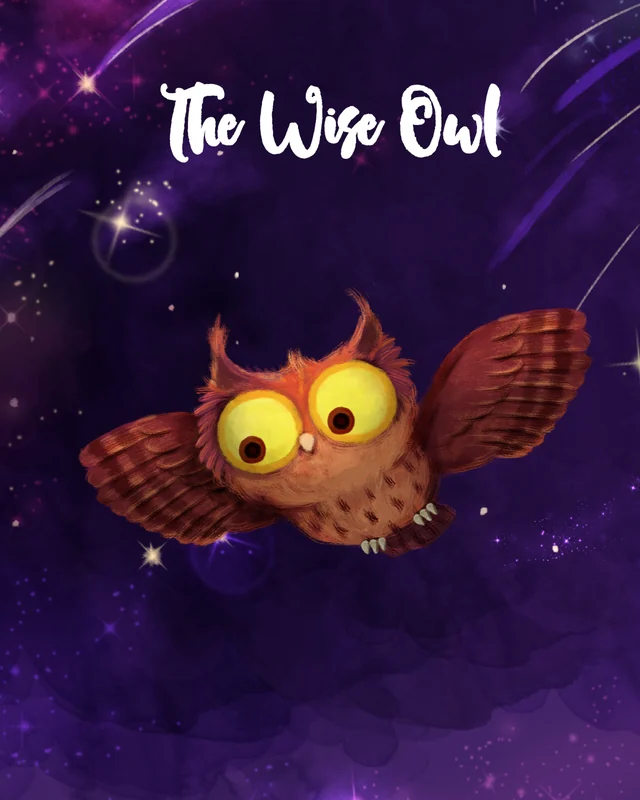
The Wise Owl, the night watcherIn the stories, the Wise Owl is awake and unafraid when the garden sleeps, making darkness a place where wisdom lives rather than worries. Meet The Wise Owl
What you'll need
- A torch for a short walk after dusk
- A warm, dim night light they help choose
- A wall and a lamp for shadow animals
- A cosy story about the moon or night animals
Our tips
- Take the fear seriously without agreeing there is something to fear.
- Play with shadows in daylight and at dusk, and find out what casts each shape.
- Talk through worries earlier in the evening, before everything feels bigger.
Words to try
- "It's OK to feel scared. I'm right here, and you're safe."
- "Let's find out what that shape really is."
- "The night is when the owls and hedgehogs come out to play."
- Try asking: "What do you think the moon is looking at tonight?"
When to ask for more help
If fear of the dark is severe, is stopping your child from sleeping for weeks, comes with many other fears or worries, or appeared after a frightening event, talk to your GP or health visitor.
Some nights you'll still be checking under the bed, half asleep yourself. That's part of it too.
Playbook: one week
For the fridge: one small step a day
- MonShadow puppet game at dusk 10 mins
- TueChoose a warm night light together 10 mins
- WedTorch walk in the garden 10 mins
- ThuCalm story about night animals 10 mins
- FriBedroom shadow tour 10 mins
- SatNight walk to look for the moon and stars 20 mins
- SunTalk about the bravest moment this week 10 mins
We will put each day on your family calendar, starting today, with the matching mission ready to open.
Questions parents ask
Is it normal for a 3-year-old to suddenly become scared of the dark?
Yes, it's one of the most common childhood fears and usually appears around two to four, when imagination grows faster than understanding. In the dark, familiar objects can turn into strange shapes, and a dressing gown on the door can really feel like a monster. Take the feeling seriously, reassure them they're safe, and keep bedtime calm and predictable.
Is it OK for my child to sleep with a night light on?
Yes, a dim night light or a crack of light from the landing is a perfectly good comfort, and the NHS suggests it for children who are afraid of the dark. Choose a soft, warm glow rather than bright white or blue light. Older children may like a torch by the bed that they control themselves.
Should I check under the bed for monsters to reassure my scared child?
It's kinder to take the fear seriously without confirming it. Rather than searching for monsters, try exploring together: "Let's find out what that shape really is." At dusk, play shadow games or tour the bedroom naming each shape. Understanding where shapes come from takes away their power, and keeping scary shows out of the evening helps too.
Feelings in this guide
Wundoria is a set of eight story worlds for children aged 3 to 10, where every story ends with missions to do outside together. Our guides are written to support everyday family life; they are not medical advice. If you are worried about your child, talk to your GP or health visitor.
Play world one free How Wundoria works