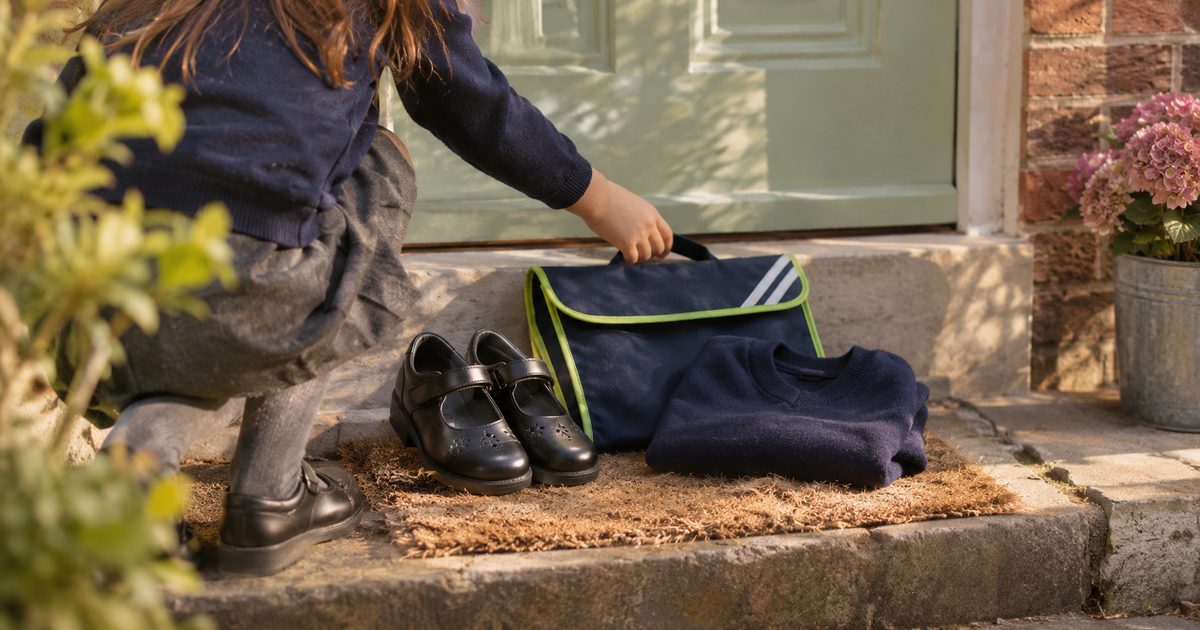
Sunday evening is usually where it starts. A bit quieter than normal. A bit clingier. A tummy ache, right on cue, at bedtime. By Monday morning there are tears at the front door and a small hand gripping yours at the school gate, and you walk away with your heart in pieces, wondering whether you should have just taken them home.
It is one of the hardest things to face as a parent, and one of the most common. "How do I deal with school refusal?" was the second most-read article on Action for Children's parenting service in a year, used by almost 28,000 parents (Action for Children).
Where the Monday tummy ache comes from
School refusal is rarely about being naughty or lazy. Most often it is anxiety about some part of school life: leaving you, a friendship that has gone wobbly, a noisy classroom, a subject that feels too hard, or simply too much change at once. The same report found that worries spike at the start of the school year and again at each new term.
Young children can't always say what's wrong, so the worry often turns up in the body instead: tummy aches, headaches, poor sleep or tears (NHS). The ache is real, even when what's behind it is a feeling.
What tends to help is fairly plain. Make mornings predictable and calm. Look after the body with light, food and movement. Keep a warm, steady line open, both with your child and with the school. Anxiety tends to grow when we avoid the thing, and shrink with small steps forward taken with someone alongside.
The doorways still to come
Every child will meet places that feel big and strange: a new class, secondary school, a first job, a new city. A child who learns early that mornings have a steady shape, that worries can be said out loud, and that hard things are doable with support nearby takes that quiet confidence through every new door after this one.
Steadying the morning, the walk and the goodbye
Start the day with five minutes outside, or at least by an open window. Daylight wakes the body clock and lifts the mood. Pair it with breakfast and an unhurried pace, which is easier said than done, so do the getting ready the night before: bag packed, clothes out. Rush feeds worry, and most rush can be moved to the evening. Little ones might say "good morning" to the sky with you; older children can take charge of a simple night-before checklist.
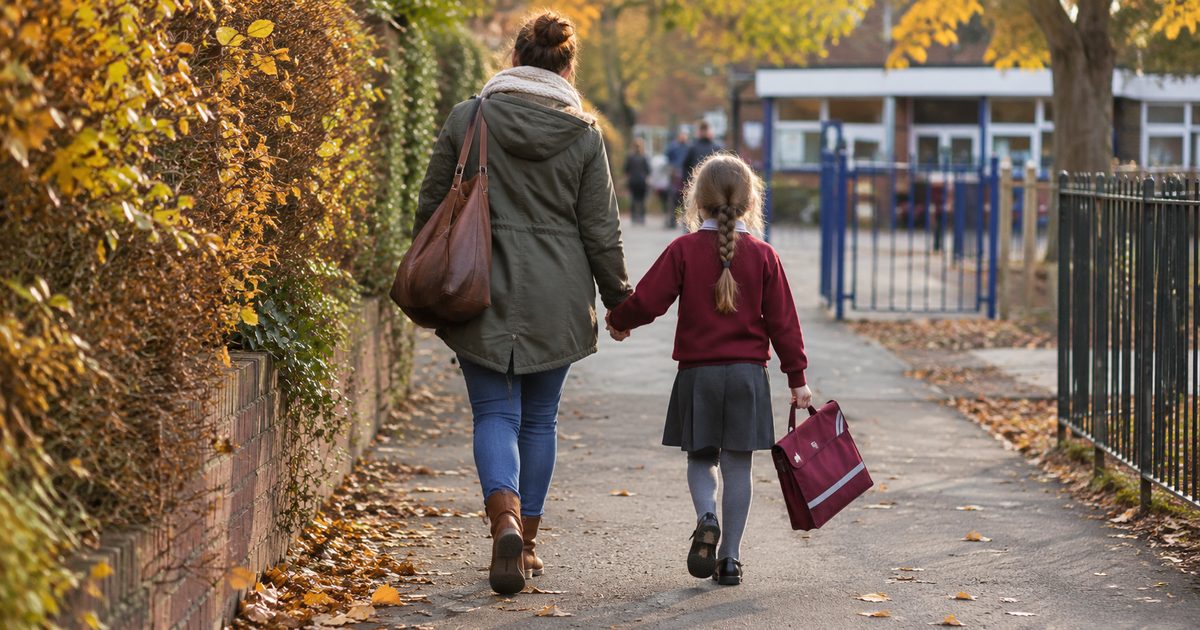
On the way there, walk, scoot or cycle at least part of the way if you can, or choose a route that passes trees, a park or water. Pick one "school tree" to greet every day and watch it change across the year. Moving uses up nervous energy, and a familiar tree becomes a small, solid marker on the journey. Younger children like to touch it for luck. Nine and ten year olds can tell you one change they noticed in it each week.
At the gate, have a goodbye that is always the same and always short. Three squeezes of the hand, a special phrase, a leaf or pebble from the walk to keep in a pocket. Keep it warm and brief, then go. Lingering usually makes it harder, while a confident goodbye that never changes tells your child you trust they'll be OK. A pocket pebble to hold when they miss you suits the youngest; older children may prefer a discreet signal, like a thumbs-up, that won't embarrass them in front of friends.
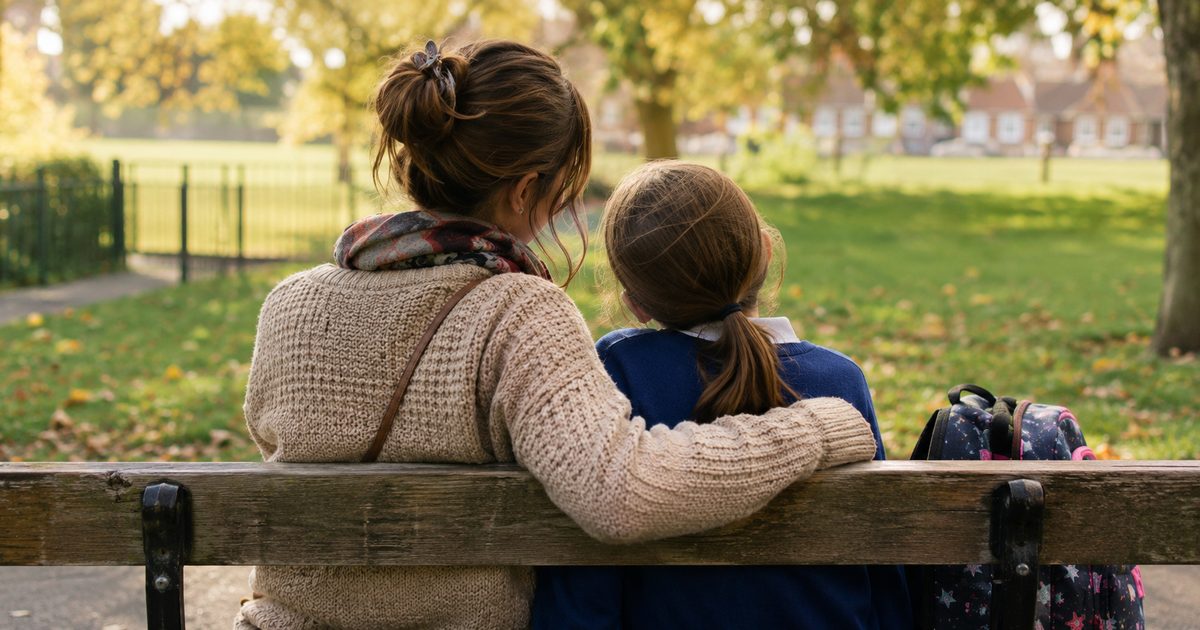
After school, give them a soft landing. Lots of children hold it together all day and then let it all go the minute they are home. Offer a snack, some quiet and some time outdoors before any questions. Later, on a walk or at bedtime, ask open questions about the best and hardest parts of the day. Worries caught early are much easier to help with. For little ones, "tell me one happy thing and one tricky thing" is plenty; older children often open up most during a regular walk-and-talk they know they can count on.
- Light and calmStart with five minutes outside or by a window, with bags packed and clothes out the night before.
- A school treeWalk part of the way if you can, and greet the same tree each day as it changes.
- A short goodbyeKeep the goodbye warm, brief and always the same, like three hand squeezes or a pocket pebble.
- A soft landingAfter school, offer a snack, quiet and time outdoors before any questions about the day.

Sun Sparkle, the smiling sunIn the stories, Sun Sparkle shows that clouds pass in front of the sun but never put it out: a child's brightness is always there. Meet Sun Sparkle
What you'll need
- Bag packed and clothes out the night before
- Five minutes of morning light
- One school tree on the route
- A pocket pebble from the walk
Our tips
- Move the rush to the evening. A calm, unhurried morning leaves less room for worry.
- Keep the goodbye warm, short and the same every day, then go with confidence.
- After school, offer a snack, quiet and time outside before any questions.
Words to try
- "It makes sense to feel worried. New things can feel big. I know you can do this."
- "Hold your pebble when you miss me. I'll be right here at three o'clock."
- "What was the hardest part of today? What helped?"
- Try asking: "What did the school tree look like this morning?"
When to ask for more help
If your child is missing school, the worries are getting stronger, or morning distress has gone on for weeks, speak to their teacher or the school's SENCO early, and to your GP if physical symptoms persist. Schools can often make small changes, like a calm arrival or a trusted adult at the door, that make a big difference.
Playbook: one week
For the fridge: one small step a day
- SunNight-before prep and a calm, early bedtime 15 mins
- MonFive minutes of morning light, pick the school tree 5 mins
- TueCreate the goodbye ritual together 10 mins
- WedWalk or scoot part of the way 15 mins
- ThuAfter-school park stop, snack and quiet 20 mins
- FriWalk-and-talk: best and hardest bits of the week 15 mins
- SatFamily nature trip with no school talk at all 1-2 hours
We will put each day on your family calendar, starting today, with the matching mission ready to open.
Questions parents ask
Should I keep my child home when they get a tummy ache before school?
Take the ache seriously, because worry can show up in the body as real pain. If it keeps happening on school mornings, gently talk to the teacher, since anxiety tends to grow with avoidance and shrink with small, supported steps forward. If physical symptoms persist, it is sensible to check in with your GP too.
How do I make school drop-off less upsetting for my child?
A short, loving goodbye ritual that is always the same can help a lot. Try three hand squeezes, a special phrase, or a pebble from the walk to keep in a pocket. Keep it brief and warm, then go. Lingering tends to make goodbyes harder, while a confident routine shows your child you trust they'll be OK.
Why is my child fine at school but falls apart when they get home?
Many children hold it together all day and let go somewhere they feel safe, which is usually with you. Offer a snack, some quiet and time outdoors before any questions. Later, on a walk or at bedtime, ask about the happiest and trickiest parts of the day, so worries can be caught early.
Feelings in this guide
Wundoria is a set of eight story worlds for children aged 3 to 10, where every story ends with missions to do outside together. Our guides are written to support everyday family life; they are not medical advice. If you are worried about your child, talk to your GP or health visitor.
Play world one free How Wundoria works