The light is off and the door is nearly closed when the questions start, from somewhere under the duvet. "What if the house catches fire? What if you don't pick me up tomorrow?" You answer every one, patiently, and every answer seems to grow two more. By the time you finally get downstairs, you're the one who'll be lying awake.
A child who worries is very often a child who notices a great deal and cares a lot. That sensitivity is a gift, honestly. It just needs a few tools to help carry it.
The alarm that rings too keenly
Worry is the body's alarm system doing its job a little too eagerly. When a child feels unsafe, the alarm floods the body with energy to run or fight: a racing heart, a tight tummy, quick shallow breathing. Children rarely say "I feel anxious". What you see instead is tummy aches, clinginess, tears, crossness or trouble sleeping. The NHS lists exactly these signs, and stresses that many worries are a normal part of growing up (NHS).
If it's on your mind, you're in a very large crowd. It is the top concern for UK parents of young children: three in four parents of under-fives say emotional wellbeing worries them (NSPCC survey via Deeside).
Here's the part that helps. You can't argue with an alarm, as anyone who has tried reasoning at 9pm will know. But you can calm it through the body. Slow breathing, a steady rhythm and time in calm, green places all tell the nervous system that the danger has passed. Research with urban children in Spain found that more access to nature was linked with lower stress and greater resilience (Children & Nature Network).
Meeting worry already knowing what to do
Every child will meet worry sooner or later: a new school, a test, a falling-out, a first job interview. The child who practised calming their body at four is the eleven-year-old who breathes slowly before the SATs, and the teenager who heads out for a walk instead of spiralling. You can't take worry out of their future. You can make sure they meet it already holding something useful.
Quiet habits for a busy mind
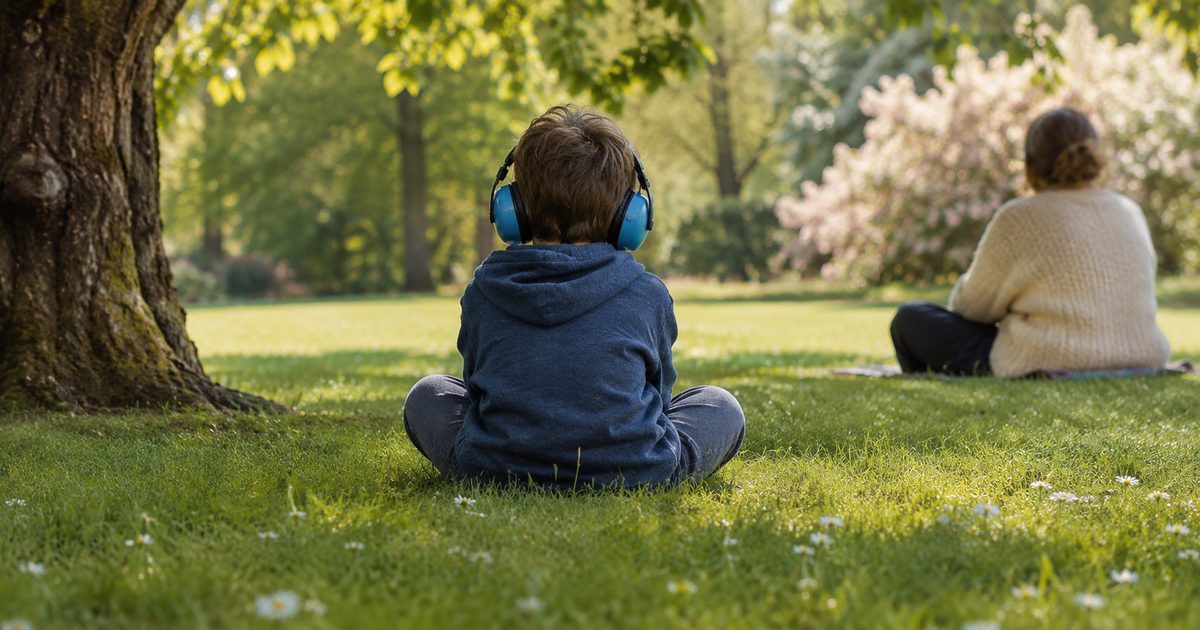
Find a sit spot. Pick one place outside, a tree in the park or a corner of the garden, and go back to it often. Sit quietly together for a few minutes and notice what has changed since last time: a new bud, a different bird, a puddle that's dried up. A familiar outdoor place slowly becomes an anchor, somewhere the body learns to soften. With a 3- to 5-year-old, two minutes on your lap is enough. A 9- or 10-year-old might like to keep a simple sit-spot notebook.
Practise belly breathing on the calm days, not just the hard ones. Breathing works best in a storm if it was learned in sunshine. Lie on the grass together, put a leaf or a small toy on each tummy, and watch it rise slowly as you breathe in and sink as you breathe out. Long, slow out-breaths are the body's own brake. Little ones tend to get it as "smell the flower, blow the dandelion". Older children can count four in and six out.
Give worries a time, so they don't take all the time. Set a short daily slot, perhaps on the walk home, when worries are welcome and taken seriously. If one pops up at bedtime anyway (and it will), write or draw it, pop it in a jar, and promise to look at it together tomorrow. Worries tend to shrink when they have a home and a time. For the youngest, you do the drawing for them. By 9 or 10, they can sort their worries into "can do something" and "can let go".
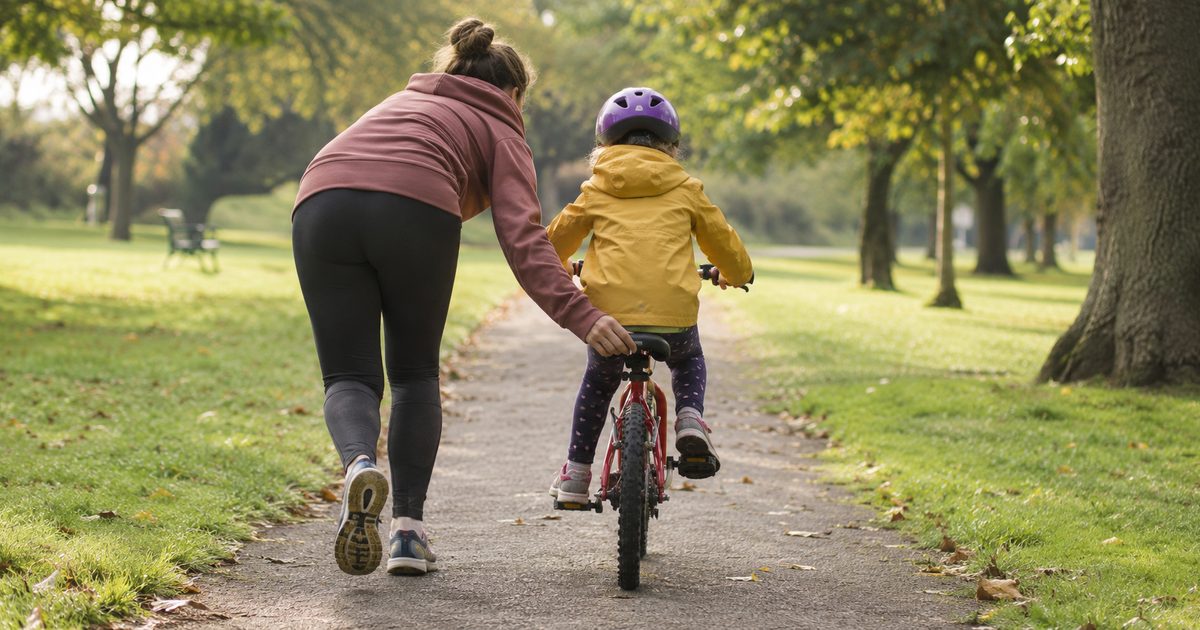
And keep the days steady and the bodies busy. Regular sleep, meals and outdoor movement give an anxious system fewer surprises. Running, climbing and rolling down hills also use up the alarm's spare energy. Small children might have a daily run to the tree and back. Older ones could plan a weekly family walk, route and snacks included.
- A sit spotGo back often to one outdoor place and sit quietly, noticing what has changed since last time.
- Belly breathingOn calm days, lie on the grass with a leaf on each tummy and watch it rise and sink.
- A worry jarGive worries a daily time, and pop any bedtime worries in a jar to look at together tomorrow.
- Steady, busy daysRegular sleep, meals and outdoor running and climbing give an anxious body fewer surprises.

The Ancient Tree, the wisdom keeperIn the stories, the Ancient Tree is in no hurry at all, and sitting still under his branches is where his stories can be heard. Meet The Ancient Tree
What you'll need
- One sit spot outside you can return to
- A leaf or small toy for belly breathing
- A jar, paper and pens for worries
- A few minutes on the walk home
Our tips
- Practise slow breathing on calm days, so it is already there when the storm comes.
- Notice one small change at your sit spot each visit: a bud, a bird, a puddle gone.
- Make time for running and climbing, so the busy body has somewhere to spend it.
Words to try
- "That sounds really scary. Your body is trying to keep you safe."
- "Let's breathe like the slow old tree."
- "Let's put that worry in the jar. We'll look at it together tomorrow."
- Try asking: "Where in your body do you feel the worry? What colour is it?"
When to ask for more help
If worries are getting in the way of school, friendships, sleep or family life, or seem to be growing rather than settling, speak to your GP or school nurse. Young Minds also runs a free parent helpline on 0808 802 5544, as listed on the NHS page above.
Playbook: one week
For the fridge: one small step a day
- MonChoose a sit spot together 10 mins
- TueLeaf-on-tummy breathing on the grass or floor 5 mins
- WedWorry time on the walk home 10 mins
- ThuSit spot: what's changed? 5 mins
- FriRun, climb or roll outside 20 mins
- SatLonger visit to the sit spot, bring a snack 30 mins
- SunOpen the worry jar together 10 mins
We will put each day on your family calendar, starting today, with the matching mission ready to open.
Questions parents ask
Is it normal for a 5-year-old to worry about everything?
Many worries are a normal part of growing up, and a child who worries often notices a great deal and cares deeply. Rather than trying to argue the worries away, help their body calm down through slow breathing, steady routines and time in green, quiet places. A regular sit spot outside can become a reassuring anchor.
Why does my child get tummy aches when they are worried?
Worry sets off the body's alarm system, which can show up as a tight tummy, a racing heart or fast breathing, so the ache is very real. Young children rarely say they feel anxious, so the body often speaks first. If tummy aches are frequent or getting in the way of daily life, it is worth talking to your GP.
How do I stop bedtime turning into an hour of 'what if' questions?
Give worries a time and a home rather than answering each one at lights out. Set a short daily worry time, perhaps on the walk home, when worries are welcome and taken seriously. If one pops up at bedtime, draw or write it, pop it in a jar and promise to look at it together tomorrow.
Feelings in this guide
Wundoria is a set of eight story worlds for children aged 3 to 10, where every story ends with missions to do outside together. Our guides are written to support everyday family life; they are not medical advice. If you are worried about your child, talk to your GP or health visitor.
Play world one free How Wundoria works