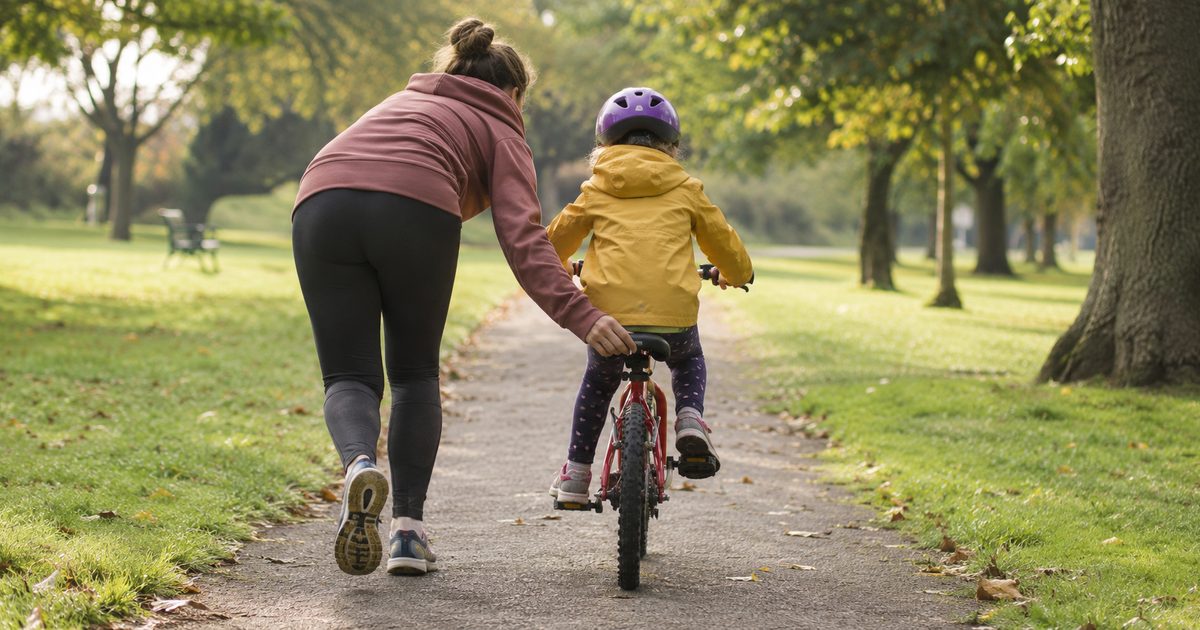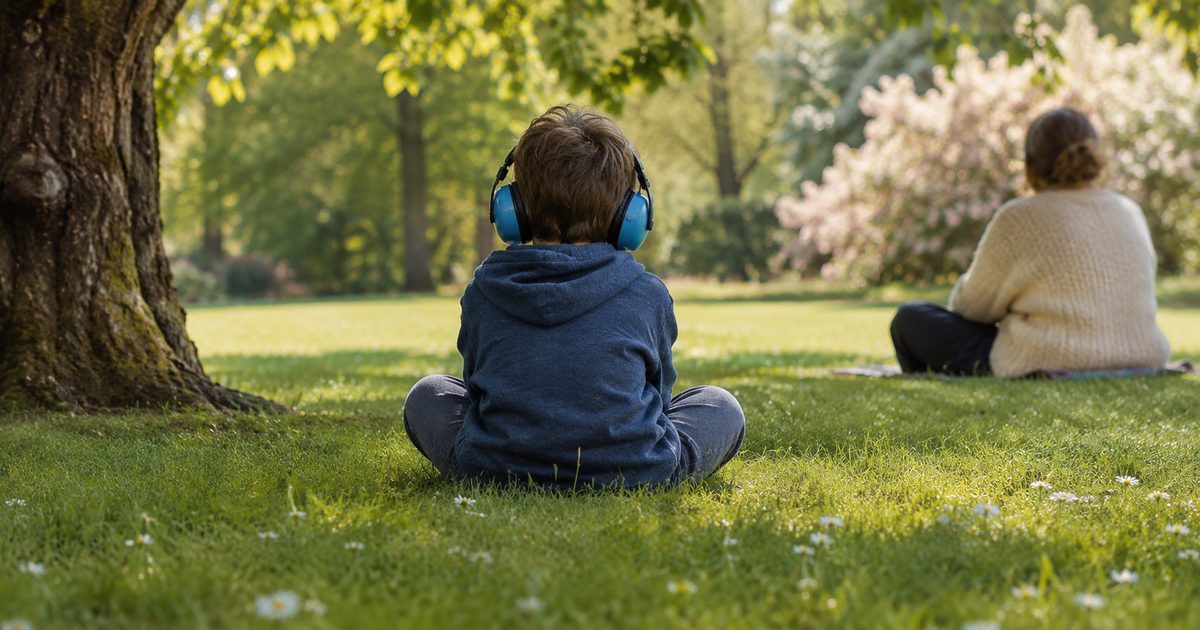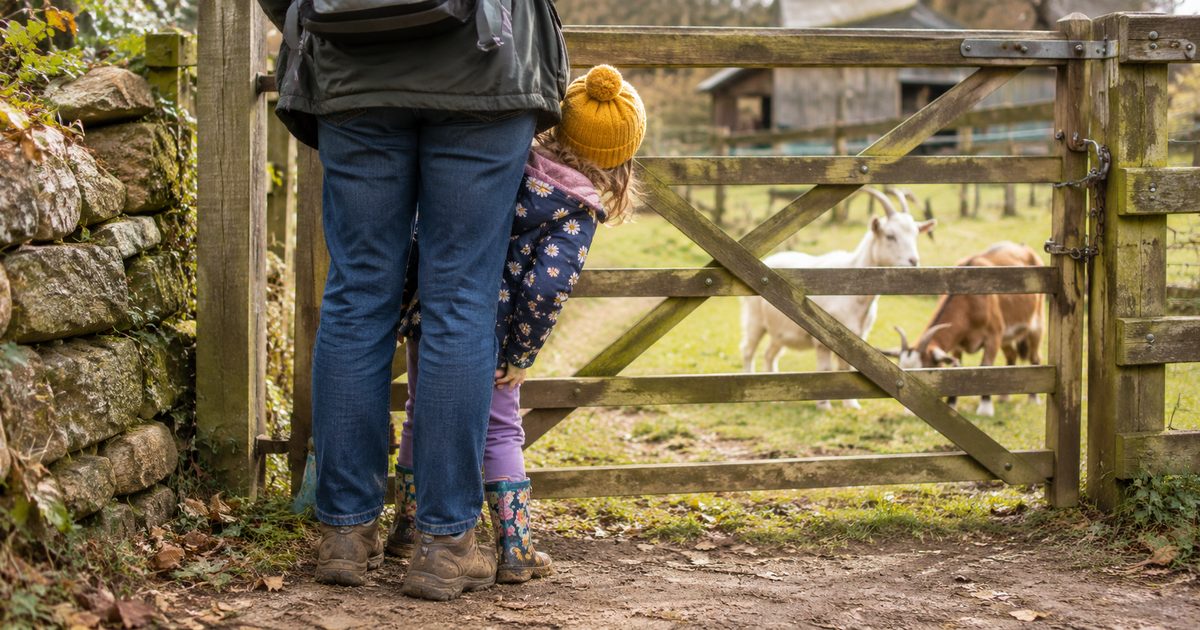
A friendly neighbour leans down to say hello, and your child vanishes behind your legs. At the party, the other children race off in a pack while yours stays at the edge, holding your hand, watching everything. Someone says, kindly enough, "Oh, are you shy?" and you feel the small hand in yours grip a bit tighter.
Shyness is a temperament, not a fault. A lot of shy children are deep thinkers, careful observers and loyal friends. They don't need to become loud. They need to feel safe enough for their quiet strength to show.
Slow to warm up
Some children are simply born more cautious in new situations. It takes them longer to feel safe with unfamiliar people and places, so they watch before they join in. This "slow to warm up" temperament is a normal variation, and plenty of shy children are perfectly at ease once they feel comfortable. Anyone who has seen a quiet child at home, chattering away, knows this.
Labels can make it harder. When a child hears "she's shy" over and over, they can start to believe that's simply who they are, and avoid new situations even more. Pushing too hard can backfire as well, making new situations feel even more threatening than before.
So the middle way: respect your child's pace, give them time and small, manageable chances to practise social steps, and help them feel capable and comfortable in lots of different places.
Where quiet confidence goes
Shy children who are gently supported, rather than pushed or protected from everything, tend to grow into adults who can speak up when it matters and still keep their thoughtful nature. The small steps they practise now, a hello here, a question there, build a confidence that travels with them into new classrooms, job interviews and friendships. Quiet and strong were never opposites.
Making room for a careful child
Keep groups small. Big, noisy groups can overwhelm a shy child, but one or two children in the woods or a quiet park, with something to do together, takes the pressure off talking. Building a den, exploring a stream, collecting conkers: shared activity is often the bridge, and the words come later. For little ones, that might be one friend at the playground with you nearby. Older children might enjoy a small nature club or forest school group.
Give them warm-up time. Arrive early at parties and new places, before they fill up, and let your child watch and settle before you expect them to join in. Something familiar in a pocket, like a favourite stone from your walks, can help. With three to fives, stay close until they wander off on their own, which they usually do, eventually. With nine and ten year olds, agree a signal for when they're ready for you to leave.
Practise hellos at home, where nothing's at stake. Role-play greetings with toys, practise ordering in a café, or let them pay at the market stall. Small steps that go well build confidence far better than big leaps. A small child might start by waving to the postman, or to the ducks. An older one might ask the shop assistant a question.
And quietly drop the label. Instead of "She's shy", try "She likes to watch first" or "He'll join in when he's ready." Then notice and name moments of courage, however small. With a little one that might sound like, "You said hello to Grandma's friend. That was brave." With older children, you can talk about times they felt nervous and did it anyway, including your own.
- Keep groups smallOne or two children and something to do together outdoors, so the words can come later.
- Warm-up timeArrive early, let them watch and settle, with something familiar like a stone in a pocket.
- Practise hellosRole-play greetings at home, then small real steps like waving to the postman or paying at a stall.
- Drop the labelSay "she likes to watch first" instead of shy, and notice and name every small moment of courage.

Sun Sparkle, the smiling sunIn the stories, Sun Sparkle teaches that your brightness is always there, even on cloudy days: confidence is already shining, waiting to be remembered. Meet Sun Sparkle
What you'll need
- One friend and a quiet park
- Time to arrive early, before it fills up
- A favourite stone to keep in a pocket
- Toys for practising hellos at home
Our tips
- Let shared doing come first: a den or a stream often brings the words along later.
- Agree a small signal with older children for when they are ready for you to go.
- Start with tiny, low-stakes hellos, like waving to the postman or the ducks.
Words to try
- "Take your time. I'm right here."
- "You like to watch first. That's a clever way to understand things."
- "You did something brave today. How did it feel?"
- Try asking: "What's something you noticed today that nobody else saw?"
When to ask for more help
If shyness is stopping your child from speaking at school at all or joining in with anything, or is causing them real distress, talk to their teacher and your GP. Some children experience more intense social anxiety, and it responds well to gentle, specialist support.
Playbook: one week
For the fridge: one small step a day
- MonPractise hellos with toys 10 mins
- TueQuiet park visit with one friend 1 hour
- WedChild pays at a shop or stall 5 mins
- ThuNotice and name one brave moment 0 extra mins
- FriArrive early to an activity 15 mins
- SatSmall-group nature activity 1-2 hours
- Sun"When did you feel brave this week?" 10 mins
We will put each day on your family calendar, starting today, with the matching mission ready to open.
Questions parents ask
Should I make my shy 4-year-old say hello to people?
It is better not to force it, because pushing too hard can make new situations feel even more threatening. Give your child time to watch and settle, and practise hellos at home with toys or by waving to the postman. When they do manage a small greeting, notice it warmly: "You said hello. That was brave."
Is it bad to call my child shy in front of other people?
It can make things harder, because a child who hears "she's shy" again and again may start to believe that is simply who they are. Try gentler words such as "She likes to watch first" or "He'll join in when he's ready." Shyness is a temperament, not a fault, and many shy children are thoughtful observers and loyal friends.
How can I help my shy child at a birthday party?
Arrive early, before the room fills up, so your child can watch and settle before anyone expects them to join in. Stay close until they wander off on their own, and bring something familiar, like a favourite stone from your walks. Older children may like to agree a quiet signal for when they are ready for you to step back.
Feelings in this guide
Wundoria is a set of eight story worlds for children aged 3 to 10, where every story ends with missions to do outside together. Our guides are written to support everyday family life; they are not medical advice. If you are worried about your child, talk to your GP or health visitor.
Play world one free How Wundoria works