There's chocolate round their mouth. The wrapper is still in their hand. And they look you straight in the eye and say, "It wasn't me." Part of you wants to laugh. Another part goes quietly cold. Is this the start of something? Is your child becoming a liar?
Almost certainly not. Lying is a normal stage of growing up, and in its odd way it's even a sign that their thinking is getting more sophisticated. What matters more is what happens next, because how we respond is how children find out whether the truth is safe to tell.
Why the fibs start
To tell a lie at all, a child has to grasp that other people don't know what they know. That's a big leap, and it usually arrives somewhere around three or four. The early lies are often closer to wishing than deceiving. "I didn't break it" really means "I wish I hadn't." Or they're a quick scramble to stay out of trouble.
Older children lie for more tangled reasons. They might be trying not to disappoint us, or protecting a friend, or fitting in, or bracing for a reaction they're afraid of. The more frightening the truth feels, the more tempting the lie becomes.
So the work is fairly simple, even if it isn't always easy. Make telling the truth feel safe. Try not to set children up to lie. Keep the child separate from the thing they did. And let them see us being honest too.
The open door you're building
Honesty grows out of trust. A child who learns, again and again, that owning up leads to calm problem-solving rather than shame tends to become a teenager who tells you when something has gone wrong. That openness is one of the most important safety nets a young person can have. The chocolate wrapper is small. The conversations it's quietly preparing you for are not.
Small ways to make truth feel safe
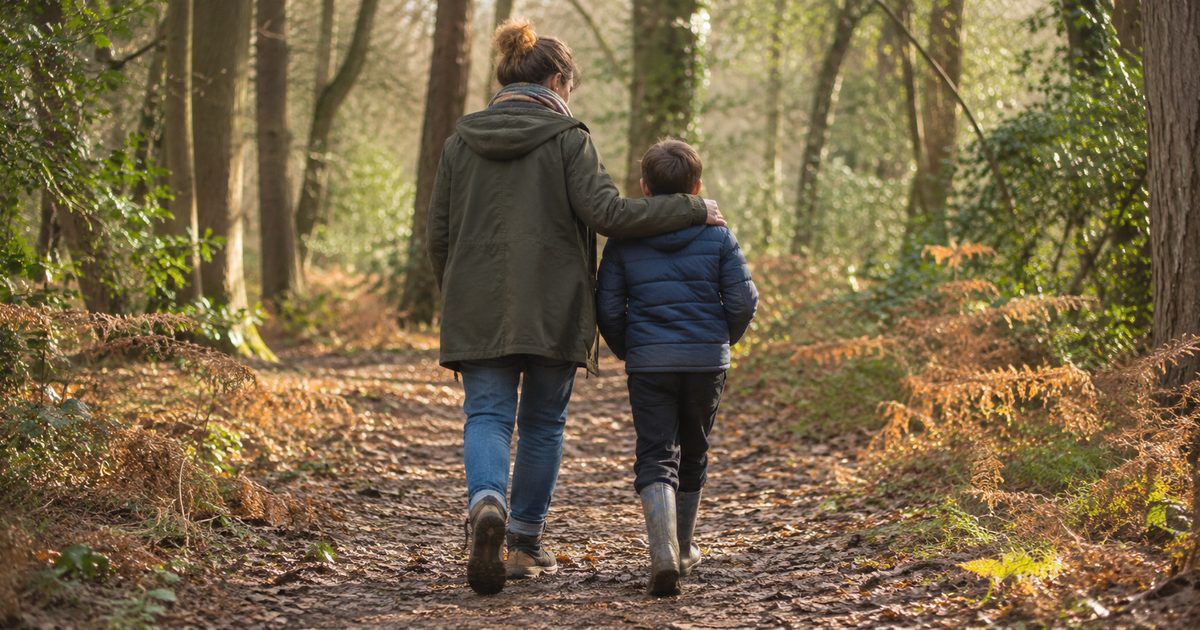
Honesty can be a game, and the outdoors is full of material for it. On a walk, play gentle truth games: "Two truths and a fib" about things you've seen, or guessing games where the fun is in spotting what's real. Nature has more than enough real wonders to go round, and noticing what's true starts to feel like play. With little ones, keep it silly and obvious: "Is it true that this leaf is green? Is it true that this stone can fly?" Older children, around nine or ten, usually love "Two truths and a fib" about animals, especially if they can catch you out.
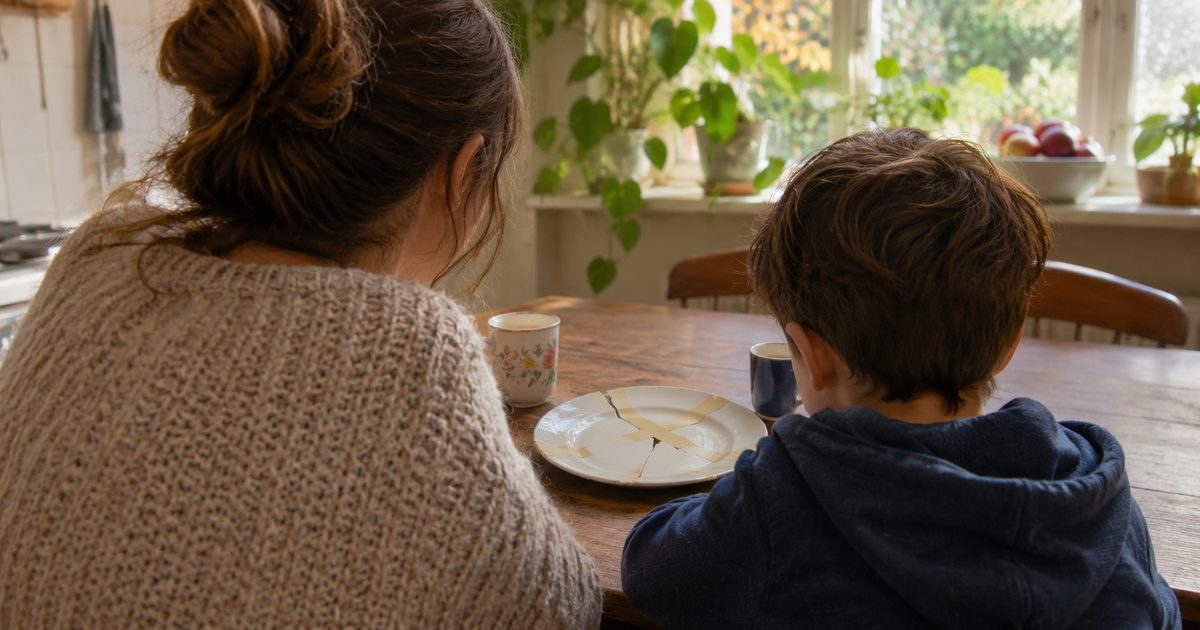
When something has gone wrong, the most useful thing you can do is stay calm and turn towards fixing it. "The cup's broken. Let's get the dustpan." And whenever your child tells you something difficult, thank them: "Thank you for telling me the truth. That took courage." With a three-year-old, it might be no more than "Uh-oh, spill. Let's clean it up together." With a nine- or ten-year-old, it might be "I'm not cross. I'm glad you told me." Neither has to be perfectly delivered. It just has to happen often enough that they believe it.
It also helps not to lay a trap. If you already know what happened, say so, rather than asking "Did you eat the chocolate?" when the evidence is on their face. Try "I see you had the chocolate. Next time, please ask first." It saves a child from being backed into a corner where a lie looks like the only way out. With younger children, simply describe what you can see. With older ones, you can open it up a little: "Let's talk about what happened and how to put it right."
And then there's us. Children notice the small lies grown-ups tell, the "Tell them I'm not in" on the phone. Let them see you tell the truth, admit when you've got something wrong, and say sorry. For little ones, that can be as plain as "I made a mistake. I'm sorry." Older children might like to hear about a time you found honesty hard, and what you did.
- Truth gamesOn a walk, play "two truths and a fib" so noticing what's real starts to feel like play.
- Calm, then fix itStay calm, turn towards putting it right, and thank them whenever they tell you something hard.
- No trapsIf you already know what happened, say so rather than asking, so a lie isn't the only way out.
- Show honestyLet them see you tell the truth, admit when you've got something wrong and say sorry.
What you'll need
- A walk for an is it true game
- A dustpan and calm for spills
- A story of a mistake you once made
- Ten minutes to talk about honesty
Our tips
- If you already know what happened, say what you see instead of asking a trap question.
- Thank them every time they tell you something hard, big or small.
- Let them see you own up and say sorry, so honesty looks ordinary, not scary.
Words to try
A few phrases to have ready:
- "Thank you for telling me the truth. I know that was hard."
- "I'm not cross. Let's fix it together."
- "I see what happened. What can we do now?"
- Try asking: "What's the most amazing true thing you saw outside today?"
When to ask for more help
If lying is frequent and elaborate and comes alongside other worrying behaviours, or seems to be tied up with fear, anxiety or something happening at school or at home, talk to your GP or the school. Sometimes a lie is a child's way of telling you that something is wrong.
Playbook: one week
For the fridge: one small step a day
- Mon"Is it true?" game on a walk 10 mins
- TueThank them for every truth, big or small 0 extra mins
- WedDescribe instead of questioning 0 extra mins
- ThuShare a time you made a mistake 5 mins
- Fri"Two truths and a fib" about nature 10 mins
- SatOutdoor adventure, then share true wonders 1 hour
- SunTalk about why honesty matters 10 mins
We will put each day on your family calendar, starting today, with the matching mission ready to open.
Questions parents ask
Is it normal for a 3-year-old to lie?
Yes, early lying is a normal stage of development and even a sign of growing thinking skills. To lie, a child has to understand that other people don't know what they know, a leap that usually happens around three to four. Early lies are often wishful thinking or a way to avoid trouble, so a calm, kind response matters most.
How should I react when I catch my child lying about something obvious?
Rather than asking a question you already know the answer to, simply describe what you see: "I see you had the chocolate. Next time, please ask first." This avoids cornering your child into a lie. Stay calm and focus on putting things right, because the more frightening the truth feels, the more tempting a lie becomes.
Why does my 8-year-old lie about small things?
Older children often lie to avoid disappointing us, to protect a friend, to fit in, or because they fear a big reaction. Make the truth feel safe by thanking them whenever they tell you something difficult, and let them see you admit your own mistakes. If lying seems linked to worry or something happening at school or home, talk to the school or your GP.
Feelings in this guide
Wundoria is a set of eight story worlds for children aged 3 to 10, where every story ends with missions to do outside together. Our guides are written to support everyday family life; they are not medical advice. If you are worried about your child, talk to your GP or health visitor.
Play world one free How Wundoria works