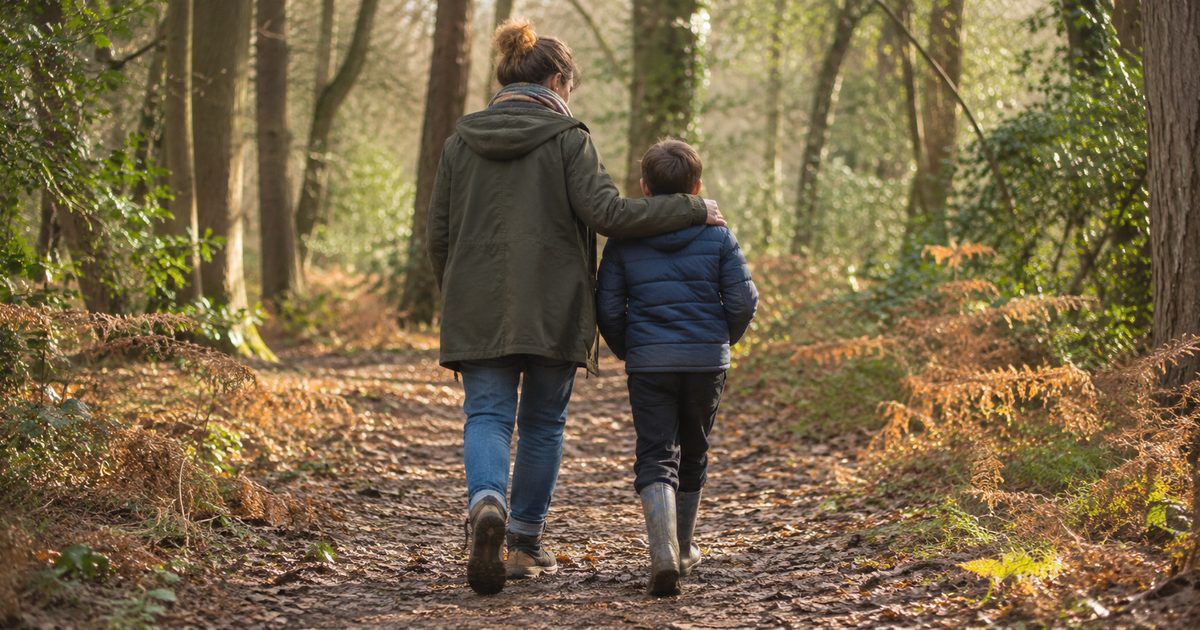
"Muuuum, I'm hungry." "I'm boooored." "Can I have iiiit?" You know the tone. High, drawn-out, somehow able to get through two closed doors. By late afternoon every single request seems to arrive wrapped in it, and you catch yourself saying yes just to make it stop, then wondering why it keeps happening.
Whining is maddening, but it's also communication. Most of the time it's a child saying, "I'm tired, I need you, and I haven't got the energy to ask nicely." Once we hear it that way, we can teach them a better way to say it.
What the whine is saying
Whining tends to turn up when children are tired, hungry, bored, overwhelmed or feeling a bit disconnected. It's a sound that seems made, almost by nature, to be impossible to ignore, and that's exactly why it works. If whining gets results more often than a calm request does, children quite sensibly keep using it.
It's also a sign that a child hasn't yet learned to recognise and name what they need. "I'm boooored" often really means "I need some time with you" or "I need to move my body."
So the plan has three parts: meet the need underneath before it turns into whining, teach and practise a strong, clear voice, and make sure that's the voice that gets heard.
A voice that carries
A child who learns to ask clearly and confidently for what they need grows into a teenager who can speak up for themselves, and later an adult who can ask for help, set boundaries and stand up for other people. That's a life skill, and family life, with all its snacks and squabbles and requests at the worst possible moment, is where it gets practised.
Finding the strong voice together
Start somewhere wide open. Take them to a park, a beach or a hillside and play with voices: call to each other across the space, try echoes, sing loudly, be a lion, then a mouse. Children start to feel, in their own bodies, the difference between a strong voice, a quiet voice and a whiny one. With little ones, "Lion voice or mouse voice?" can become a game you come back to. Older children might enjoy practising projecting, like an actor on a stage, while you stand further and further away.
Meet the need early. Most whining gathers around hunger, tiredness and boredom, usually at the same hour every day. Keep snacks on hand, protect rest, and build daily outdoor time and connection into the week so needs are met before they spill over. For three to fives, that means a snack in your bag on every outing. Nine and ten year olds can be helped to notice it in themselves: "I get grumpy when I'm hungry."
Ask once, kindly. Teach the strong voice directly: "Can you ask me again in your strong voice?" When they do, answer warmly and quickly, even if the answer is still no. Over time, the clear voice becomes the one that works. With little ones, show them how it sounds: "Try 'Mummy, please may I have water?'" Older children can practise asking adults for things out in the world, at a library or a shop.
Connection before correction. A few minutes of full attention, like a cuddle, a game or a walk, often stops whining far better than any rule ever could. When children feel connected, they don't need to whine to be noticed. Ten minutes of play when you first get home can change the shape of a whole evening for a small child. For older ones, a regular one-to-one walk does something similar, and you may find you look forward to it too.
- Play with voicesSomewhere wide open, call across the space and try being a lion, then a mouse, to feel the difference.
- Meet the need earlyKeep snacks on hand, protect rest and build in outdoor time, so needs are met before they spill over.
- Ask once, kindlyInvite them to ask again in their strong voice, then answer warmly and quickly, even if it's still no.
- Connect firstA few minutes of full attention, a cuddle, a game or a walk, often stops whining better than a rule.
What you'll need
- A wide open park, beach or hillside
- Snacks in your bag on every outing
- Ten minutes of play when you get home
- A regular one-to-one walk
Our tips
- Notice the whiny hour in your day and get the snack or the rest in just before it.
- When they ask clearly, answer warmly and quickly, even if the answer is still no.
- Help older children spot it in themselves: I get grumpy when I am hungry.
Words to try
- "I want to help. Can you ask in your strong voice?"
- "That sounded like a hungry voice. Shall we get a snack?"
- "I love hearing your clear voice."
- Try asking: "What does your lion voice sound like?"
When to ask for more help
Whining on its own is very normal. If it comes with constant low mood, frequent tears or difficulty expressing needs in any way, or if you're worried about your child's speech or language, talk to your health visitor, GP or school.
Playbook: one week
For the fridge: one small step a day
- MonPack snacks for every outing 5 mins
- TueLion voice, mouse voice in the park 15 mins
- Wed"Ask in your strong voice" all day 0 extra mins
- ThuTen minutes of connection after school 10 mins
- FriEcho games outdoors 15 mins
- SatOpen-space outing with singing 1 hour
- SunNotice and praise strong-voice moments 5 mins
We will put each day on your family calendar, starting today, with the matching mission ready to open.
Questions parents ask
Why does my 4-year-old whine so much in the late afternoon?
Whining usually clusters around tiredness, hunger, boredom and feeling disconnected, and all of these tend to build up by late afternoon. It is often a child saying they need you but don't have the energy to ask nicely. Keeping snacks on hand, protecting rest and giving a few minutes of full attention when you get home can stop much of it before it starts.
Should I give in when my child whines just to make it stop?
It is very tempting, but if whining gets results more often than a calm request, children quite sensibly keep using it. Instead, ask kindly, "Can you ask me again in your strong voice?" When your child does, respond warmly and quickly, even if the answer is still no. Over time, the clear voice becomes the one that works.
How do I teach my child the difference between a whiny voice and a strong voice?
Make it a game somewhere open, such as a park or a beach. Call to each other across the space, play echo games, sing loudly, and try a lion voice and then a mouse voice, so your child can feel the difference in their body. At home, model the words for younger children, for example "Mummy, please may I have water?"
Feelings in this guide
Wundoria is a set of eight story worlds for children aged 3 to 10, where every story ends with missions to do outside together. Our guides are written to support everyday family life; they are not medical advice. If you are worried about your child, talk to your GP or health visitor.
Play world one free How Wundoria works