"Whatever." An eye-roll you could hear from the next room. "You're the worst mum ever." A door that closes just a bit harder than it needed to. Not so long ago you were this child's whole world. Now they're seven and talking to you like a moody fifteen-year-old, and it stings more than you'd like to admit.
Rudeness hurts, especially from someone we love this much. But backchat is usually a clumsy go at something healthy. Wanting independence. Testing where the edges are. Trying to say a feeling they don't yet know how to say kindly.
Where the backchat comes from
As children grow, they start to have their own opinions and push against limits. That part is good. What they haven't learned yet is how to disagree without being unkind about it. Rudeness tends to come out when a child is tired, hungry, embarrassed or feeling powerless, and some of it is simply copied, from friends, from older siblings, from screens.
You're far from alone in wondering about it. "Why is my kid so mean?" was the top parenting question searched in one US state in a recent analysis of Google data (VocoVision). Most of the time the honest answer is that the child isn't mean. They're learning to handle big feelings and a growing sense of themselves, and doing it badly, as everyone does at first.
So the aim is to stay calm rather than match their tone, teach them respectful ways to disagree, repair things after a clash, and show the respect we're hoping to get back.
Learning to disagree well
The way a child learns to disagree at home becomes the way they disagree with friends, teachers, partners and, one day, colleagues. A child who can say "I don't agree, and here's why" without contempt grows into someone who can stand their ground and still keep the people they care about. Respect isn't the same as obedience. It's a way of being with others even when you see things differently.
What helps, most days
Start somewhere gentle and concrete, like outside. Notice together how we treat living things: putting a beetle back where we found it, leaving the flowers for others to enjoy, leaving a place as we found it. Respect for a snail is an easy way into talking about respect for people. With little ones, it might be "Let's put the snail back gently. It has a home too." Older children, around nine or ten, might like making a family "leave no trace" promise for outings.
When the rudeness comes, and it will, try not to meet it at the same volume. Take a breath and lower your voice. "I want to hear what you think. Can you say it again in a kind way?" Staying calm shows them another way of doing it, and it keeps the conversation going rather than turning it into a shouting match. For a three-year-old, "Try again with kind words" is plenty. For an older child, you can be more specific: "I can hear you're annoyed. Try telling me without the eye-roll."
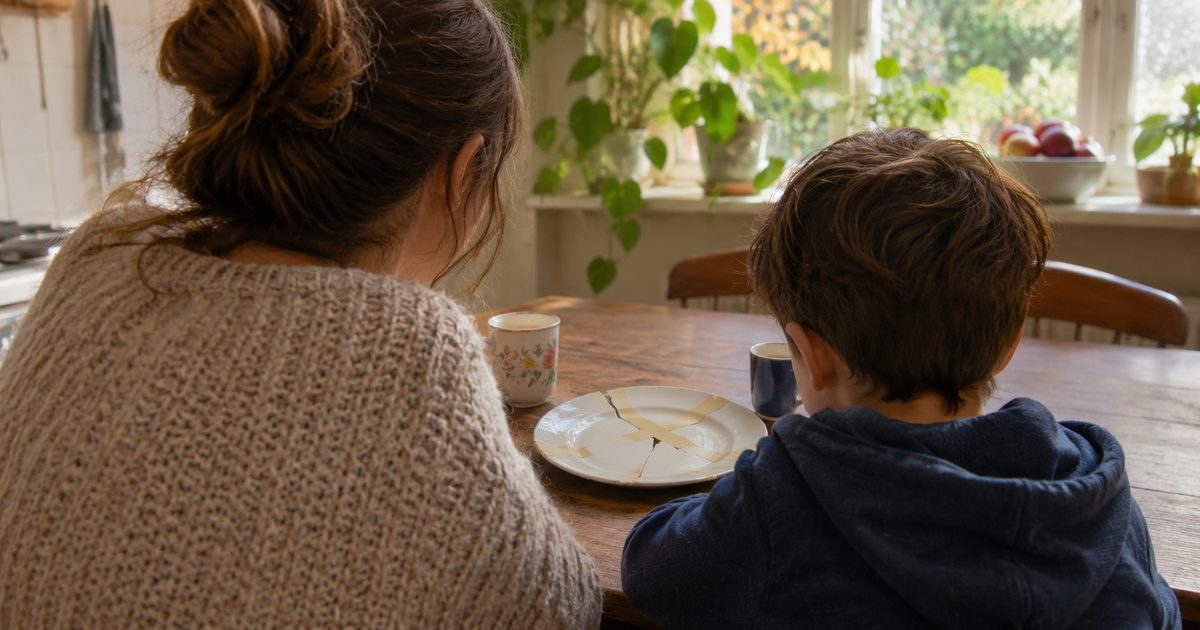
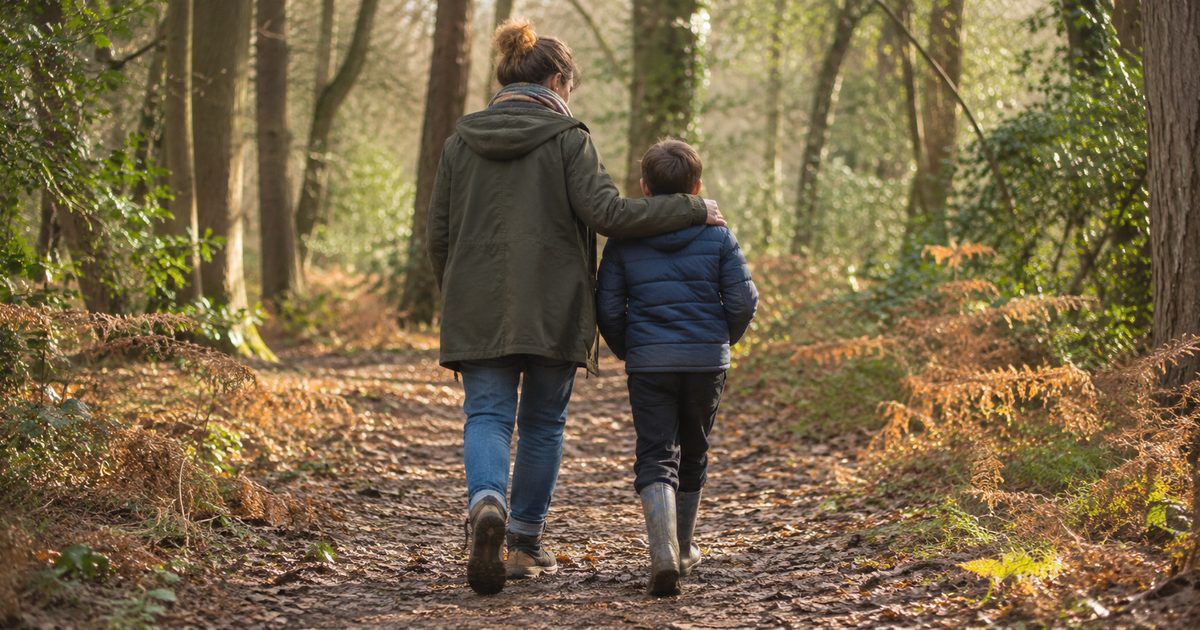
After a rude moment, once everyone has cooled down, come back together. Talk about what happened and how to put it right, and let them see you do the same when you're the one who got it wrong. That's how children learn that a relationship can survive a row. Little ones might do it with a hug and a "sorry" drawing. With older children, a walk-and-talk often works better than sitting face to face.
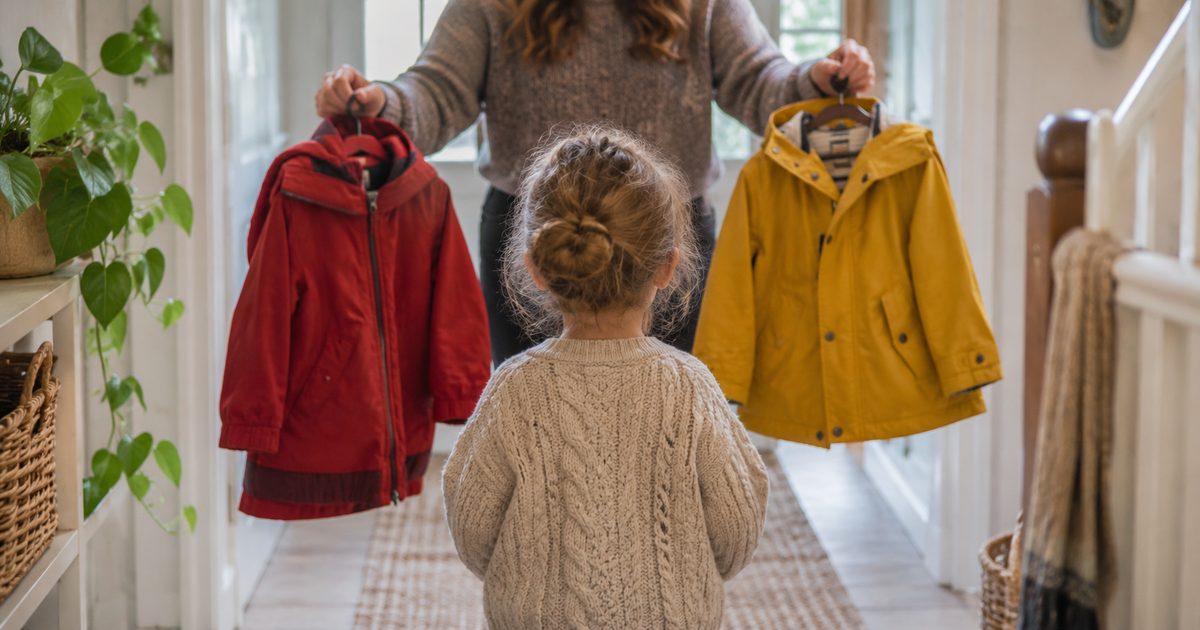
Children who feel heard are less likely to shout to be noticed. So give them a real voice. Ask their opinion on family decisions, let them choose some outings, and listen properly when they disagree with you, even when you still say no. For younger children, that might be choosing between two plans for the day. For nine- and ten-year-olds, try a family meeting where everyone gets a say.
- Respect living thingsPut the snail back gently and leave places as you found them, an easy way into talking about respect.
- Lower your voiceTake a breath, don't match their volume, and invite them to say it again in a kind way.
- Repair afterwardsOnce everyone's calm, talk about how to put it right, and let them see you do the same.
- Give them a voiceAsk their opinion on family plans and listen properly when they disagree, even when it's still no.
What you'll need
- A nature walk to notice living things
- A quiet walk to repair after a row
- Two choices for the day ahead
- A short family meeting where all have a say
Our tips
- Lower your voice when theirs goes up, so the conversation can keep going.
- Come back together once everyone is calm, and show them how you put things right.
- Ask their opinion on family plans, and really listen, even when it is still no.
Words to try
- "You're allowed to disagree. Can you say it kindly?"
- "I'll listen when you're ready to talk calmly."
- "I got that wrong earlier. I'm sorry."
- Try asking: "How do you think the hedgehog feels when we're gentle with it?"
When to ask for more help
If rudeness is constant, getting worse, or is part of a wider pattern of anger, aggression or withdrawal, talk to your GP or the school. Sometimes rudeness is a sign that a child is struggling with something bigger.
Playbook: one week
For the fridge: one small step a day
- MonRespect-for-nature walk 20 mins
- TuePractise "say it again kindly" 0 extra mins
- WedLet your child choose the evening activity 0 extra mins
- ThuRepair walk after any conflict 15 mins
- FriShare a time you got it wrong 5 mins
- SatLeave-no-trace family outing 1-2 hours
- SunFamily meeting: everyone's say 15 mins
We will put each day on your family calendar, starting today, with the matching mission ready to open.
Questions parents ask
Why has my 7-year-old suddenly started being rude and answering back?
Backchat is usually a clumsy attempt at something healthy, such as independence, testing limits or expressing a feeling they can't yet say kindly. It often shows up when a child is tired, hungry, embarrassed or feeling powerless, and it can be copied from friends, siblings or screens. They are learning to disagree, and your calm response helps them learn to do it respectfully.
What should I say when my child is rude to me?
Take a breath, lower your voice and avoid matching their tone. Try "I want to hear what you think. Can you say it again in a kind way?" or "You're allowed to disagree. Can you say it kindly?" Responding calmly shows them a better way and keeps the conversation going rather than turning it into a battle.
How do I make things right with my child after an argument?
Once everyone is calm, reconnect and talk about what happened and how to put it right. A hug and a "sorry" drawing can help younger children, while older ones may find a walk-and-talk easier. Let them see you apologise when you get it wrong too, so they learn that relationships survive disagreements.
Feelings in this guide
Wundoria is a set of eight story worlds for children aged 3 to 10, where every story ends with missions to do outside together. Our guides are written to support everyday family life; they are not medical advice. If you are worried about your child, talk to your GP or health visitor.
Play world one free How Wundoria works