Three pages into the bedtime story, the wriggling starts. Homework lasts about four minutes before the pencil becomes a rocket. The jigsaw sits on the table with three pieces in it, abandoned. And somewhere in the middle of all this you catch yourself wondering whether your child can concentrate on anything at all, unless it happens to be on a screen.
You're not imagining it, and you're far from the only one wondering. In the Mott national poll, parents of younger children said screen time and its effect on attention and learning were their main focus (Michigan Medicine). The more hopeful part is that attention behaves a bit like a muscle. It grows with the right kind of use.
Why the story only lasts three pages
Young children naturally have short attention spans. It's a stage of development, not a flaw, and focus lengthens gradually as the brain matures. What changes things is the kind of stimulation children get used to. Fast-cut videos and games reward constant switching, while the real world asks for something slower and steadier.
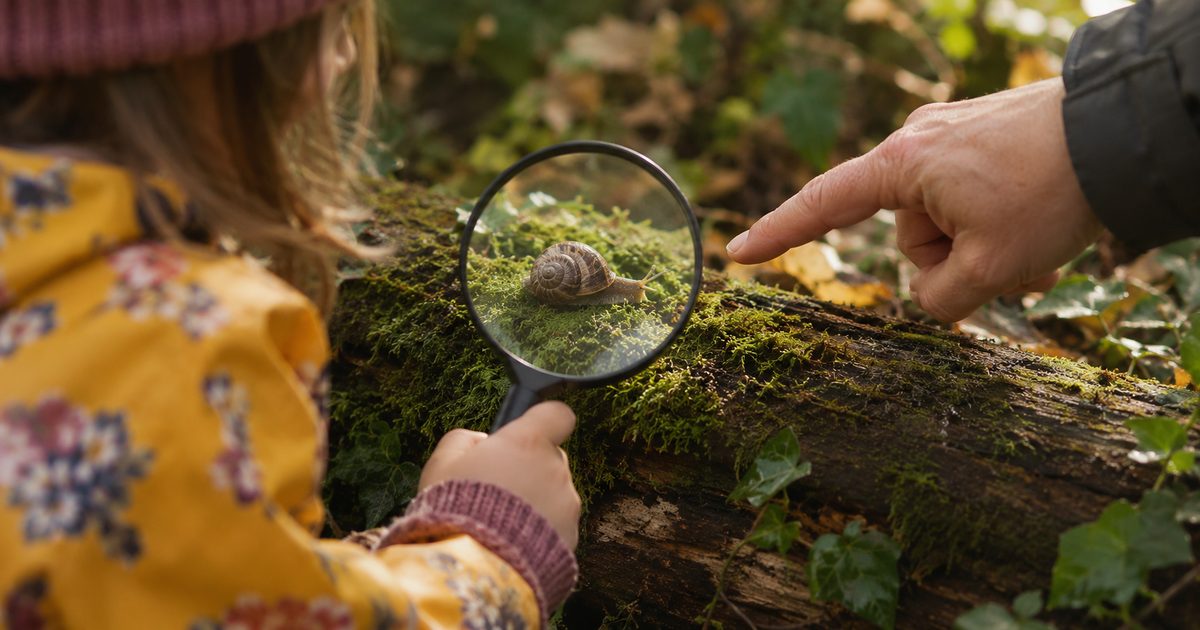
Nature happens to be very good at gently exercising attention. Watching a snail cross a leaf, following a beetle, building a dam in a stream: these hold a child's interest without overwhelming them. The brain's focus system gets a workout and a rest at the same time, which is a rare combination.
So the approach is to offer plenty of slow, absorbing, real-world experiences, cut down on the number of things competing for attention at once, and let focus build in small steps.
What a long, muddy afternoon is quietly building
Being able to stay with something, even when it gets a little boring or hard, sits underneath reading, learning, sport, music and friendships. Children who practise deep, absorbed play at five are better placed to concentrate in class at nine, revise at sixteen and do focused work as adults. In a world that seems built to break attention into pieces, steady focus is worth a great deal.
Slowing the world down a little
Start with slow watching. Lie on the grass and watch the clouds change shape, follow an ant trail along the path, sit by a pond and count the ripples. Try to stretch the watching a little longer each time. Slow things teach slow attention, and they ask very little of a tired grown-up. With little ones, watching one minibeast for one minute is a real achievement. Older children might sketch something from nature in careful detail.
It also helps to clear the space so there's only one thing to look at. One toy out at a time, the TV off while they play, the table cleared before homework. Fewer competing things make focus easier for every brain, grown-ups included. A toy rotation box works well for three to five year olds; for older children, a tidy homework spot by a window can make a surprising difference.
Then make room for the kind of hands-on play that swallows whole afternoons. Building dens, digging, making dams, mud kitchens and whittling (with supervision, for older children) are deeply absorbing, and long, unhurried stretches of play are where focus quietly grows. It will be muddy. Younger children might start with a mud kitchen or sand tray, while nine and ten year olds can take on a longer building project spread over a weekend.
And let them move. Focus tends to improve after a run outside, so for homework or quiet tasks, try short bursts with movement in between: ten minutes of work, a run to the gate, ten more minutes. Little ones manage best with five-minute activities and a wiggle break. Older children can time their own work and break blocks, which also gives them a small, welcome sense of being in charge.
- Slow watchingWatch clouds, an ant trail or one minibeast, and stretch the watching a little longer each time.
- One thing outOne toy out, the TV off and a clear table make focus easier for every brain, grown-ups included.
- Absorbing playDens, digging, dams and mud kitchens swallow whole afternoons, and that is where focus quietly grows.
- Move betweenTry ten minutes of work, a run to the gate, then ten more, since focus improves after moving.
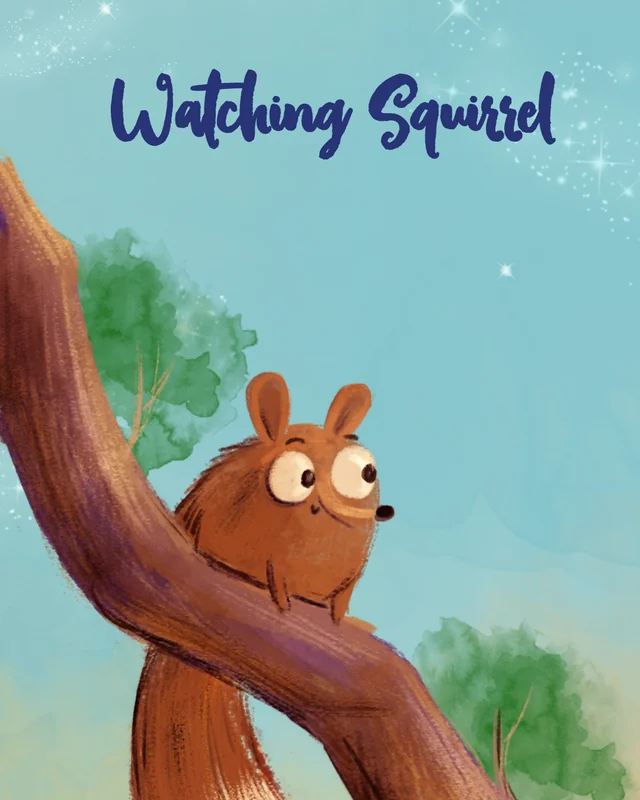
Watching Squirrel, the quiet observerIn the stories, Watching Squirrel simply sits and notices, showing children they can be part of everything and calm at the same time. Meet Watching Squirrel
What you'll need
- A patch of grass, a pond or an ant trail
- A toy rotation box with one toy out at a time
- A mud kitchen, sand tray or digging spot
- A clear, quiet table for homework
Our tips
- Stretch the watching a little longer each time, a snail at a time.
- Clear the space so there is only one thing asking for their attention.
- Try short bursts of work with a run to the gate in between.
Words to try
- "Let's see how long we can watch the snail before it reaches the end."
- "I noticed how long you kept building. That's real focus."
- "Let's do ten minutes, then race to the tree."
- Try asking: "What's the tiniest thing you noticed outside today?"
When to ask for more help
If difficulty concentrating is affecting learning, friendships or safety, happens in all settings, or comes with very high levels of restlessness or impulsivity, talk to your child's teacher and your GP. They can help you think about whether further assessment would help.
There will still be evenings when the story stops at page three. That's alright. The snail will be there tomorrow.
Playbook: one week
For the fridge: one small step a day
- MonSet up a toy rotation box 15 mins
- TueCloud or minibeast watching 10 mins
- WedHomework in short bursts with movement breaks 20 mins
- ThuMud kitchen or sand play 30 mins
- FriNature sketching 15 mins
- SatLong building project outdoors 1-2 hours
- Sun"What did you notice this week?" 10 mins
We will put each day on your family calendar, starting today, with the matching mission ready to open.
Questions parents ask
Is it normal for a 4-year-old to lose interest in a story after a few pages?
Yes, short attention spans are a normal part of early childhood, not a flaw. Focus lengthens gradually as the brain matures, and it grows with practice, a bit like a muscle. Short, absorbing activities with a wiggle break in between suit younger children well, and you can gently stretch the time a little at a time.
Can fast-paced videos and games make it harder for my child to concentrate on slower things?
They can make slower tasks feel harder, because fast-cut videos and games reward constant switching while real life asks for steadier attention. Balancing screens with plenty of slow, absorbing experiences helps, such as watching a snail cross a leaf, following an ant trail or building a dam in a stream. Keeping the TV off during play makes focus easier too.
How can I help my 9-year-old focus on homework without constant distractions?
Clear the space first: a tidy homework spot, ideally by a window, with the TV off and only what they need on the table. Then work in short blocks with movement in between, such as ten minutes of work, a run to the gate, then ten more. Older children often like timing their own work and break blocks.
Feelings in this guide
Wundoria is a set of eight story worlds for children aged 3 to 10, where every story ends with missions to do outside together. Our guides are written to support everyday family life; they are not medical advice. If you are worried about your child, talk to your GP or health visitor.
Play world one free How Wundoria works