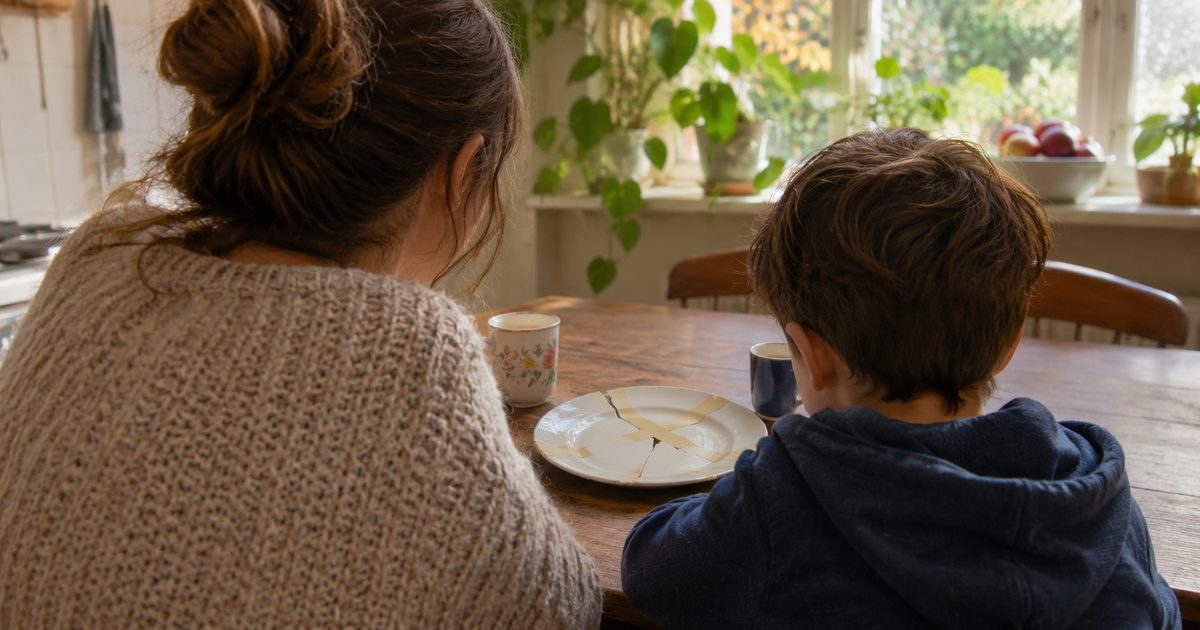
"No." To breakfast. To shoes. To the park they love. To the bath, and then, half an hour later, to getting out of the bath. Some days it seems your child has one word, and it's that one, and every small job turns into a stand-off in the hallway.
It's exhausting. It's also, oddly, a sign of something healthy growing. A child who says no is a child discovering they are a separate person with a will of their own. We don't need to crush that will. We need to help it grow into something strong that can also cooperate.
Why everything becomes a no
The drive for independence surges at two to three, and again somewhere around four to six. Children discover they can have opinions, and they test that new power constantly. When grown-ups decide almost everything in their world, saying no is the simplest way to feel some control.
Power struggles grow when a child feels cornered. The harder we push, the more they dig in, and before long both of you are fighting over who wins rather than over the shoes. Tiredness, hunger and moving from one thing to the next all make it worse, which is why the worst stand-offs so often land at ten to eight in the morning.
So the approach is to give children real, safe ways to be in charge, to cut down on direct orders that practically invite a no, and to stay calm and kind but steady on the things that truly matter.
The will that's worth keeping
A strong will is a gift, even when it doesn't feel like one. It becomes the teenager who can say no to peer pressure and the adult who stands up for what's right. What we're hoping for is a child who can hold their ground and also cooperate, listen and compromise. Children who are given safe choices early learn how to use their power well.
Ways round the stand-off
Outside is a wonderful place to hand over the reins. Let your child choose the path, lead the walk, decide which tree to climb or what to build. A child who gets plenty of real control in play has much less need to fight for it over shoes. With little ones, "You're the leader today. Which way?" is often all it takes. Older children of nine or ten can plan the whole weekend outing, and will probably enjoy telling you where to go.
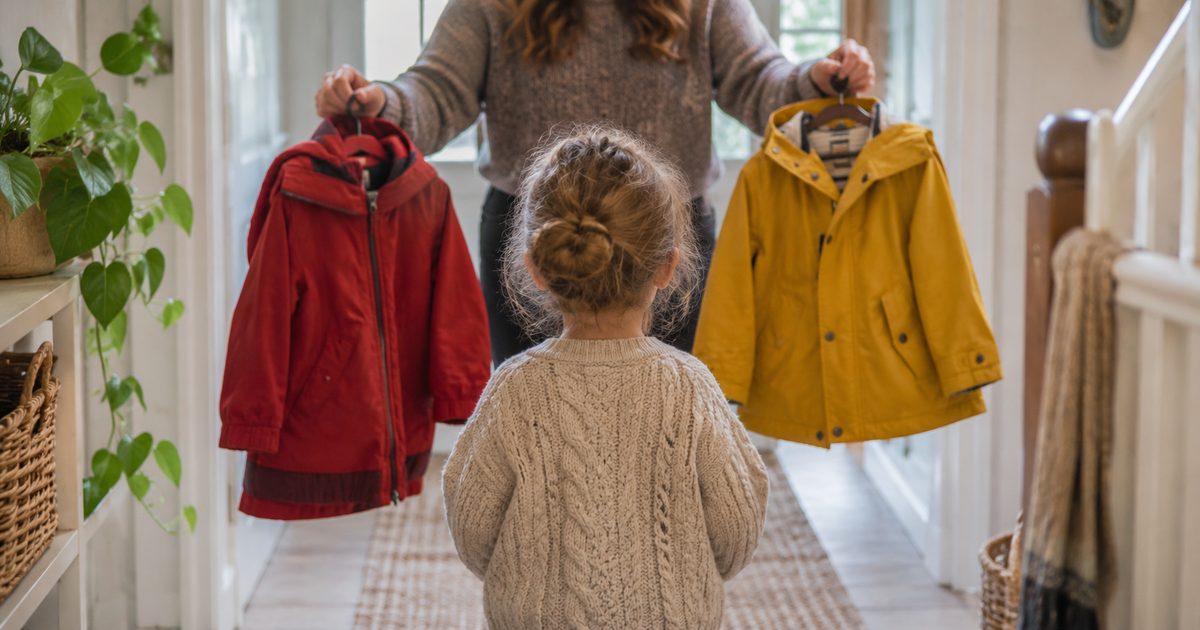
At home, try swapping commands for two choices you're genuinely happy with either way. "Wellies or trainers?" "Bath before or after the story?" A battle turns into a decision the child gets to make. Keep it to two simple options for three to five year olds. Older children can be invited to come up with a solution of their own.
Play helps more than it seems it should. Children cooperate far more readily when something is fun, so race to get pyjamas on, make the toothbrush talk, pretend to be animals on the way to the car. Being a bit silly lowers the stakes for everyone, including the tired grown-up. Younger children might take on "Can you get your coat on before I count to ten in a silly voice?" Older ones often like a family challenge, such as beating yesterday's time.
Some things, though, aren't optional, and that's fine too. For those, keep it simple and steady with a when-then: "When your shoes are on, then we can go and find the ducks." Say it once, stay calm, and follow through kindly. There's no need for a lecture. With little ones, showing them with a picture or a gesture helps it land. With older children, agree the routines together in advance, so there's less to argue about in the moment.
- Hand over the reinsLet your child choose the path, lead the walk or decide which tree to climb, so they feel in charge.
- Two good choicesSwap commands for two options you are happy with either way, like "Wellies or trainers?"
- Make it playfulRace into pyjamas, make the toothbrush talk or be animals on the way to the car to lower the stakes.
- Calm when-thenFor what is not optional, say it once: "When your shoes are on, then we can go and find the ducks."
What you'll need
- Two choices ready for every tricky transition
- A walk where your child leads the way
- A silly game for pyjamas or teeth
- A few calm minutes to agree routines together
Our tips
- Offer two options you are genuinely happy with, then let them decide.
- Hand over plenty of real control in play, so they need to fight for less of it.
- For the things that matter, say the when-then once and follow through kindly.
Words to try
- "You really don't want to. I hear you. Wellies or trainers?"
- "When the toys are in the box, then we'll head to the park."
- "You can choose: hop to the bath or slither like a snake."
- Try asking: "If you were in charge of our walk tomorrow, where would we go?"
When to ask for more help
If defiance is constant, intense and affecting school, friendships or family life, especially if it comes with frequent anger or aggression, talk to your GP, health visitor or school. A parenting course can also be a helpful, judgement-free source of new ideas.
There will still be mornings when the shoes go on in silence, both of you a little worn out. That's alright. You can try the ducks again tomorrow.
Playbook: one week
For the fridge: one small step a day
- MonOffer two choices at every transition 0 extra mins
- TueChild leads the walk 20 mins
- WedTurn one routine into a game 0 extra mins
- ThuPractise when-then for one sticky moment 0 extra mins
- FriChild chooses the outdoor activity 30 mins
- SatChild plans part of the weekend adventure 1-2 hours
- SunAgree next week's routines together 10 mins
We will put each day on your family calendar, starting today, with the matching mission ready to open.
Questions parents ask
Is it normal for a 3-year-old to say no to everything?
Yes, it's a very common and healthy stage. The drive for independence surges around two to three and again around four to six, and saying no is the simplest way for a child to feel in control. It can be exhausting, but it shows your child is discovering they are a separate person with a will of their own.
Isn't giving my child choices just letting them win?
No, because you choose the options and you're happy with either. "Wellies or trainers?" still ends with shoes on, but your child gets a real decision to make. For things that aren't optional, use a calm when-then: "When your shoes are on, then we can go and find the ducks." Say it once, then follow through kindly.
How do I stop daily power struggles with my 5-year-old over getting dressed?
Try making it playful, since children cooperate more when things are fun: race to get dressed, or count to ten in a silly voice. Cutting down on direct orders helps too, as they tend to invite a no. Giving plenty of real control elsewhere, like leading the walk or choosing which tree to climb, means less need to fight over clothes.
Feelings in this guide
Wundoria is a set of eight story worlds for children aged 3 to 10, where every story ends with missions to do outside together. Our guides are written to support everyday family life; they are not medical advice. If you are worried about your child, talk to your GP or health visitor.
Play world one free How Wundoria works