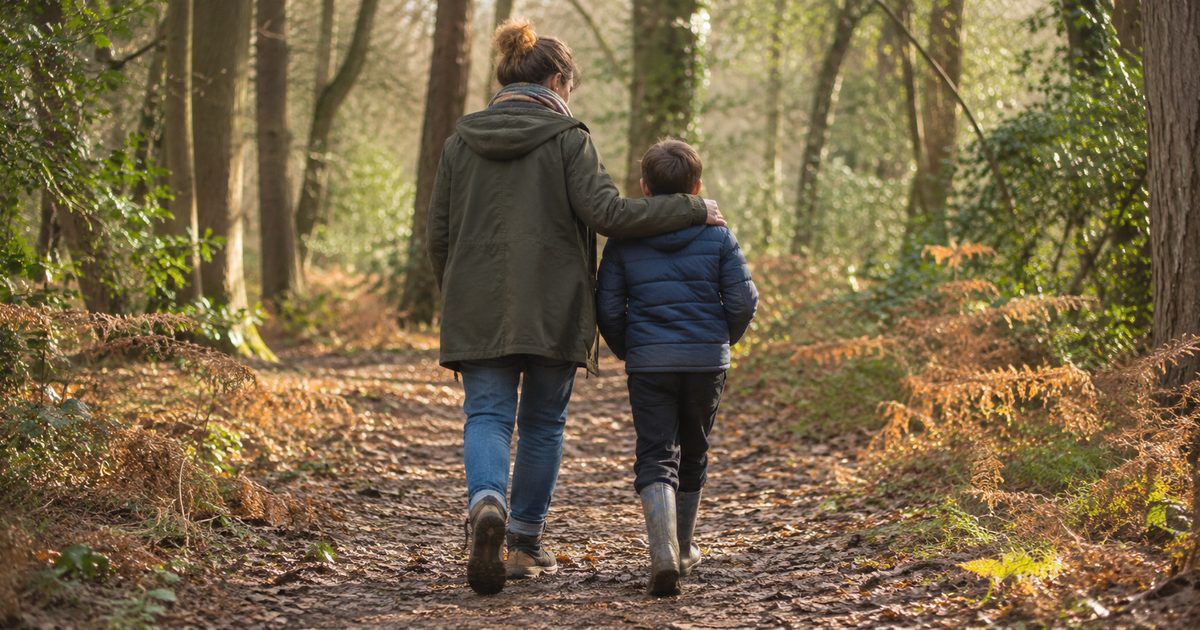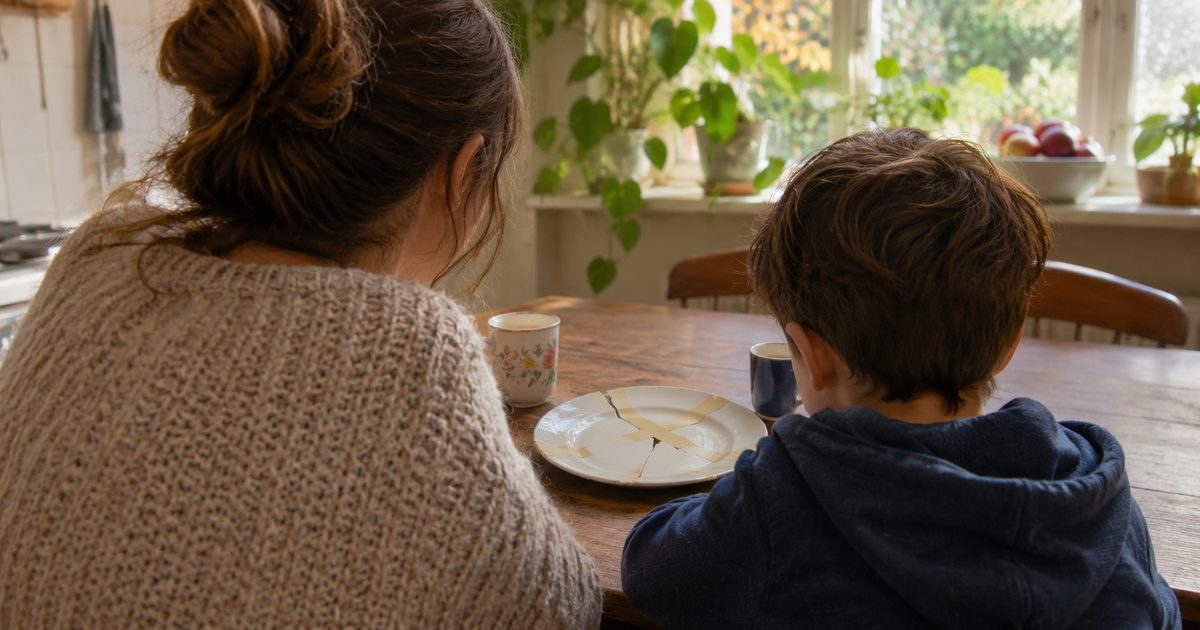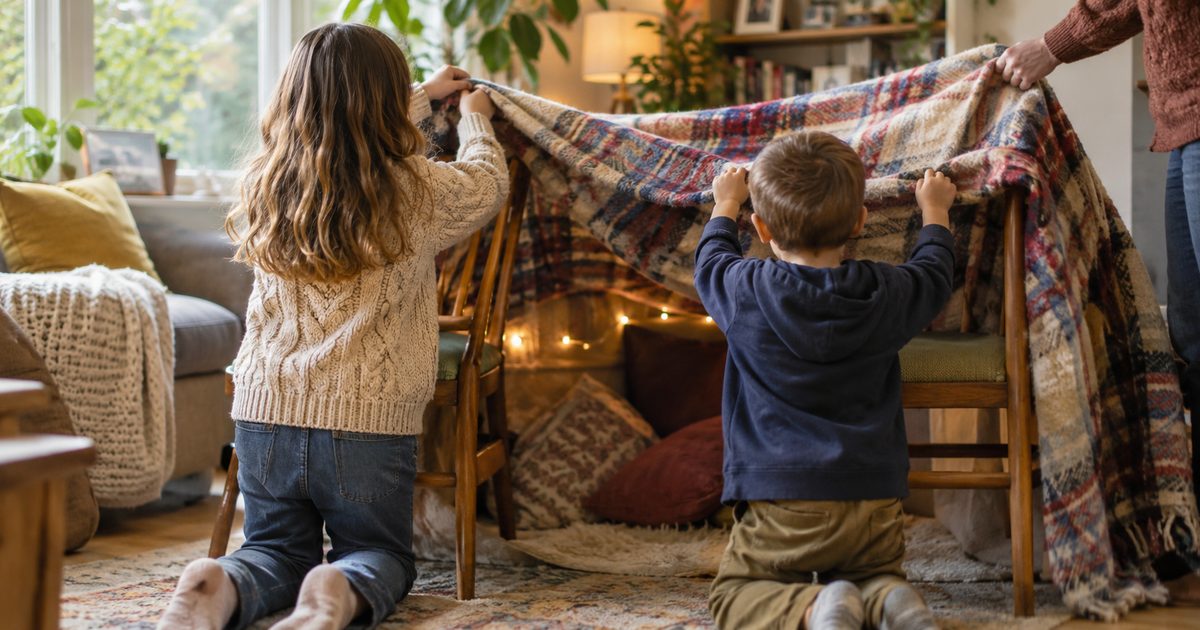
"He's looking at me." "She took my seat." "It's not FAIR." Breakfast isn't even on the table yet and you've already been referee, judge and peacekeeper. You haven't had a cup of tea. The tea is going cold on the side, where it will probably stay.
Sibling squabbles are one of the most common and most draining parts of family life. Strange as it sounds, they're also a kind of training ground. The way children learn to argue with a brother or sister is how they'll learn to negotiate, compromise and make up with everyone else.
Underneath the squabbling
At the heart of most sibling fights is one simple worry: "Am I getting my fair share of you?" Attention, time and love can feel scarce to a child, even when they aren't. Add different ages, different temperaments, tiredness and boredom, and it doesn't take much for sparks to fly.
Children also don't yet have the skills to sort out disagreements well. They grab, shout or tell tales because nobody has shown them yet how to say "Can I have a turn when you've finished?" Those skills can be learned, and siblings provide plenty of daily practice, whether you wanted it or not.
So what helps comes down to three things: top up each child with some attention that is just for them, give siblings shared goals so they're on the same side, and coach them through sorting things out rather than refereeing.
The longest friendship they'll have
Brothers and sisters are often the longest relationship of a person's life. Siblings who learn to put things right after a fight, cheer each other on and work together often grow into adults who have each other's backs. The skills they practise over the cereal bowls (sharing, compromise, forgiving) are the same ones they'll bring to every friendship, partnership and workplace.
Turning rivals into a team
Give them outdoor jobs that need both of them. Planting a vegetable patch, building a den, raking leaves into one enormous pile, carrying the picnic basket between them. Shared goals turn rivals into a team, and success becomes something they did together rather than something one of them won. Little ones might fill one watering can together, four hands on the handle. Older children, nine or ten, often rise to the job of teaching the younger one a skill.
Make a little time for each child on their own. A short, regular slot of one-to-one time, where they choose what you do: a walk, a game, a story under a tree. A child whose tank is full has less need to fight for your attention. Ten minutes of their choice of play is enough for a small child. Older ones might love a monthly "just us" outing.
When a fight starts, coach rather than judge. As long as nobody is getting hurt, try not to decide who's right. Describe what you see, "Two children, one swing," and ask, "What could you do?" Help them find a fair answer, and praise the solving rather than the winner. It's slower than just ruling on it, and some days you won't have it in you, which is fine. With young children, offer two solutions and let them choose. Older ones can come up with their own plan and try it out.
And notice the moments when they get it right. Name the kindness when you see it: "I saw you help your sister over the stile. That's what teammates do." A family "teamwork jar" makes it visible; add a pebble each time they work together well. Little ones can collect the pebbles on walks. For older children, a full jar might mean they get to choose a family outing.
- Shared jobsPlant a patch, build a den or rake one big leaf pile, so success is something they did together.
- Time for eachA short regular slot of one-to-one time where each child chooses what you do keeps their tank full.
- Coach, don't judgeDescribe what you see, like "Two children, one swing," then ask "What could you do?"
- The teamwork jarName the kindness when you spot it and add a pebble to the jar each time they work together well.
What you'll need
- A jar and a pocketful of pebbles
- A shared garden job, den or leaf pile
- Ten minutes of one-to-one time per child
- A family walk with a shared mission
Our tips
- Give them jobs that need four hands, so the win belongs to both of them.
- Unless someone is getting hurt, describe what you see rather than picking a side.
- Catch them being a team and say exactly what you saw.
Words to try
- "I can see two children who both want the same thing. What could you do?"
- "You're both important to me. There's enough of me to go round."
- "That was teamwork. Pebble in the jar."
- Try asking: "What's one thing your brother or sister is really good at?"
When to ask for more help
If fighting regularly turns physical and someone gets hurt, if one child seems frightened of another, or the conflict is causing real distress for the whole family, speak to your GP, health visitor or a family support service.
Playbook: one week
For the fridge: one small step a day
- MonStart the teamwork pebble jar 10 mins
- TueTen minutes one-to-one with each child 20 mins
- WedShared garden job 20 mins
- ThuCoach one squabble with "What could you do?" 0 extra mins
- FriDen building together 30 mins
- SatFamily walk with a shared mission, like a treasure hunt 1 hour
- SunCount the pebbles and celebrate 10 mins
We will put each day on your family calendar, starting today, with the matching mission ready to open.
Questions parents ask
Should I step in every time my children argue, or let them sort it out?
If nobody is getting hurt, try coaching rather than judging. Describe what you see, such as "Two children, one swing", and ask "What could you do?" With younger children, offer two solutions to choose from. Praise the solving rather than the winner. If things turn physical, step in calmly and keep everyone safe first.
Why do my children fight more when I'm busy or distracted?
Much sibling fighting comes from a simple worry: am I getting my fair share of you? When your attention feels scarce, children compete for it, even though there's enough of you to go round. A short, regular slot of one-to-one time with each child, where they choose what you do, helps fill their tank so they have less need to fight for you.
How can I get my 4-year-old and 8-year-old to play together nicely?
Give them shared missions that need both of them, such as building a den, planting a vegetable patch or carrying the picnic between them. Your older child could teach the younger one a skill, which gives them a proud role. Notice the teamwork out loud and add a pebble to a family jar each time, so working together feels worth celebrating.
Feelings in this guide
Wundoria is a set of eight story worlds for children aged 3 to 10, where every story ends with missions to do outside together. Our guides are written to support everyday family life; they are not medical advice. If you are worried about your child, talk to your GP or health visitor.
Play world one free How Wundoria works