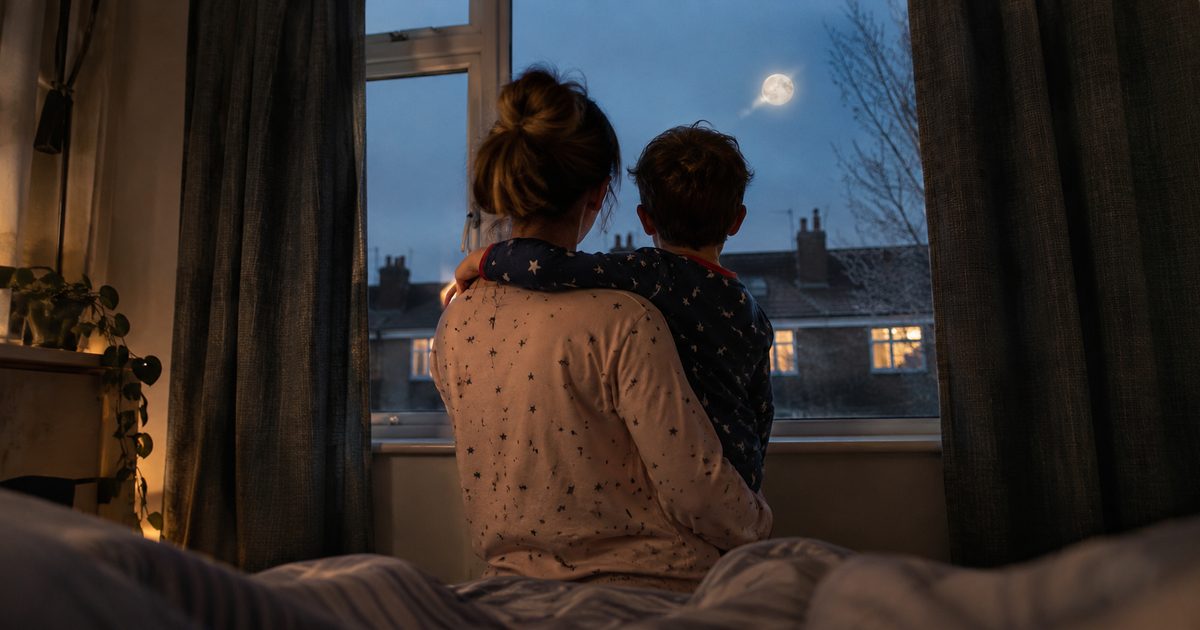
It's eleven o'clock and the house has only just gone quiet. Then the scream. You're up the stairs before you're properly awake, and there is your child, sitting bolt upright, eyes wide open, crying and thrashing. You say their name. You say it again. They look straight through you. A few minutes later they lie back down and sleep as if nothing happened, and in the morning they remember none of it. You, on the other hand, spend the next hour lying in the dark with your heart still going.
Night-time fears are hard to witness. It helps a great deal to know that there are two different kinds, that both are common, and that each one asks something slightly different of us.
Two kinds of night fear
A nightmare is a bad dream that a child wakes up from and remembers. Nightmares are most common between about three and six, and they can come from something frightening, like a scary film, or from a worry the child has been carrying around (NI Direct).
A night terror is something else. It happens in deep sleep, usually early in the night. The child may scream, thrash about or seem awake with their eyes open, but they're actually asleep, and they won't remember it. Night terrors are most common between three and eight, and common triggers include being very tired or unwell (NHS 111 Wales). Most children grow out of both.
So most of the work happens in daylight and early evening: protecting sleep so nobody gets overtired, keeping evenings calm, helping children set down the day's worries before bed. Then, when a night does go wrong, it's about responding to each kind in the way that actually helps.
What a safe night teaches
Underneath all of this, something quieter is going on. A child who finds that bad dreams can be talked about, and that they can go back to sleep feeling safe, is learning that frightening feelings pass. That they're never alone with them. That a worried mind can be soothed. You can't hand that over in words, but it stays, and it helps with every kind of fear, at every age.
Days, dusks and the dark
Start with rest, because being overtired is a common trigger for night terrors. Keep bedtime regular, give them active days with plenty of fresh air, and keep an eye on late nights quietly building up, which they have a way of doing. A short rest in the day can help younger children; for three to fives that might simply be a quiet afternoon lie-down, even if nobody sleeps. With nine and ten year olds, it's worth keeping weekend bedtimes close to school nights, however good their arguments are.
Let the evening wind down outside if you can. A gentle walk, watching the birds settle or the sun go down, helps the body slow into night. Save the exciting games and the screens for earlier in the day. Little ones often love to say goodnight to the garden, one plant at a time. Older children tend to talk more easily on an evening walk, side by side, than they ever would across the kitchen table.
Make room for worries early in the evening, not at lights out. Many nightmares carry the day's worries with them, so ask what's on your child's mind while there's still time to talk it through. Drawing a worry and then drawing a happy ending can be surprisingly powerful. A small child might draw the scary thing and then give it a funny hat. An older one might prefer to write the worry down and leave it in a box overnight, where it can wait without them.
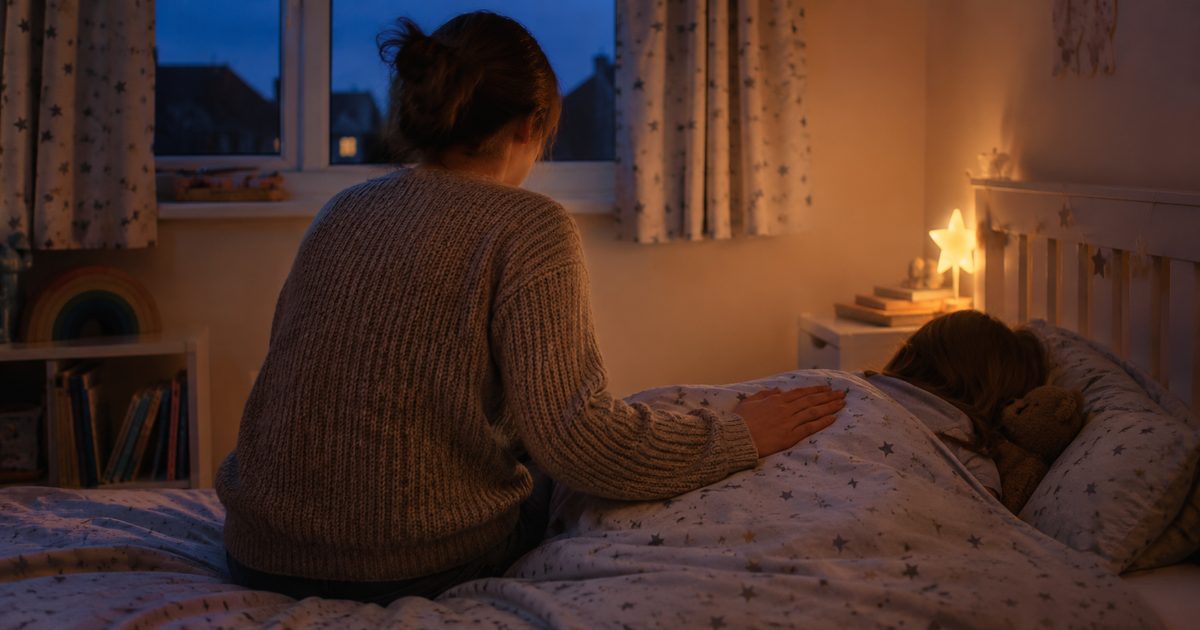
And when the night does go wrong, meet each kind gently. After a nightmare, your child needs comfort: a cuddle, your voice, the reassurance that they're safe. After a night terror, stay close and keep your child safe, but don't try to wake them; they'll settle on their own. Either way, keep your own voice low and calm, even when your heart is thumping. For little ones, a soft toy "guardian" to watch over the bed can help. With older children, you might rewrite the nightmare's ending together in the morning, when it's light and everything looks smaller.
- Protect restKeep bedtimes regular and days active, and watch for late nights quietly building up.
- Wind down outsideA gentle evening walk, watching the birds settle or the sun go down, helps the body slow.
- Worries earlyTalk worries through before lights out, or draw the worry and then draw a happy ending.
- Meet each kind gentlyCuddle and reassure after a nightmare; after a night terror, stay close but don't wake them.

Moon Smile, the crescent moonIn the stories, Moon Smile's smile is there when the lights go out, turning night-time from something to fear into something that holds you. Meet Moon Smile
What you'll need
- A regular, unhurried bedtime
- An evening walk as the sun goes down
- Paper and crayons for a worry drawing
- A soft toy guardian for the bed
Our tips
- Ask about worries at teatime, not at lights out, while there is still time to talk.
- After a night terror, stay close and keep them safe, but let them settle without waking.
- Rewrite a bad dream's ending in the morning, when it is light and everything looks smaller.
Words to try
For the middle of the night, and the morning after:
- "That was a dream. You're safe in your bed, and I'm right here."
- "Shall we give that dream a different ending?"
- "Dreams are like clouds. They come, and they float away."
- Try asking (in the morning): "If you could dream about anything tonight, what would it be?"
When to ask for more help
NHS guidance suggests seeing a GP if night terrors happen several times a night or most nights, if your child has lots of nightmares about the same thing, or if the nightmares followed a frightening or upsetting event.
Playbook: one week
For the fridge: one small step a day
- MonCheck bedtimes: is anyone overtired? 5 mins
- TueEvening garden goodnight 10 mins
- WedDraw a worry, then a happy ending 15 mins
- ThuChoose a soft toy guardian 5 mins
- FriCalm evening, screens off early 0 extra mins
- SatActive outdoor day, early night 2 hours
- SunTalk about the week's dreams 10 mins
We will put each day on your family calendar, starting today, with the matching mission ready to open.
Questions parents ask
How can I tell if my child is having a nightmare or a night terror?
The biggest clue is whether your child is properly awake and remembers it. After a nightmare, a child wakes frightened and can usually tell you about the dream. During a night terror, which tends to happen early in the night, they may scream, thrash or have their eyes open, but they are still asleep, don't respond to you and remember nothing in the morning.
Should I wake my 5-year-old up during a night terror?
No, it is best not to try to wake them. Stay close, keep your own voice low and calm, and make sure they are safe; they will usually settle back to sleep on their own. Protecting sleep during the day, with a regular bedtime and plenty of fresh air, can help too, because being overtired is a common trigger.
My 4-year-old keeps having bad dreams after watching something scary. What can I do?
Keep frightening films and exciting screens for earlier in the day, or leave them for now, and make the evening calm. Early in the evening, talk about anything on their mind; drawing the scary thing and then giving it a funny hat can help. If the same nightmare keeps coming back, or began after an upsetting event, mention it to your GP.
Feelings in this guide
Wundoria is a set of eight story worlds for children aged 3 to 10, where every story ends with missions to do outside together. Our guides are written to support everyday family life; they are not medical advice. If you are worried about your child, talk to your GP or health visitor.
Play world one free How Wundoria works