It begins with one more story. Then one more drink of water. Then, from nowhere, an urgent question about whether sharks sleep. By nine o'clock there are small footsteps on the landing, and again at ten, and you, who have been "on" since six this morning, can feel your patience draining away with the light.
If bedtime is the hardest hour in your house, you are in very good company. It is also the hour where a little rhythm goes a long way, because children's bodies already want to sleep. Our job is mostly to point the day in that direction and get out of the way.
Why the evening fights back
Sleep runs on a body clock, and that clock follows light. Daylight in the morning sets it. Darkness in the evening tells the body to release melatonin, the sleep hormone. Bright screens and busy evenings blur that signal, which is why sleep charities advise dimming the lights and switching screens off in the hour before bed (The Sleep Charity, via Royal Wolverhampton NHS).
The second thing that helps is sameness. The NHS recommends a calming bedtime routine that happens at the same time and includes the same things every night (NHS). When the steps never change, the brain starts winding down at step one, often before the child has noticed.
And underneath a lot of bedtime battles is something softer. The stalling, the questions, the extra glass of water often mean "I'm not ready to let go of you yet", especially after a day spent apart. It sounds backwards, but a bedtime with real closeness in it tends to end sooner, not later.
What a good night is quietly building
Good sleep sits underneath almost everything else: mood, learning, growth, patience, a body that fights off colds. A child who comes to love the wind-down at four can become a ten-year-old who knows how to settle themselves, and a teenager with at least some instinct to protect their sleep from the glow of a phone. Few habits last as long as this one.
Small changes, from breakfast to lights out
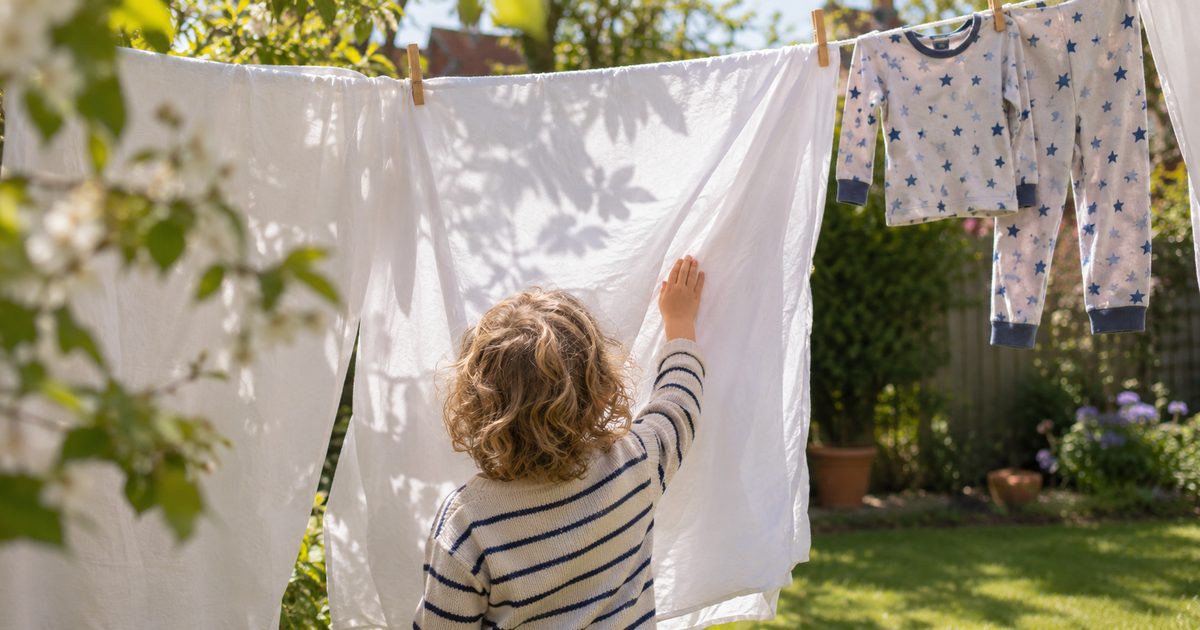
Better nights start in the morning, which is annoying to hear at bedtime but true. Get outside soon after waking, even for five minutes in your coat over pyjamas, and make sure the day has some running, climbing and fresh air in it. NHS sleep guidance notes that children who are physically tired sleep better (NHS West Yorkshire). With little ones this can be as simple as a "hello sun" at the front door; older children might walk or cycle part of the school run.
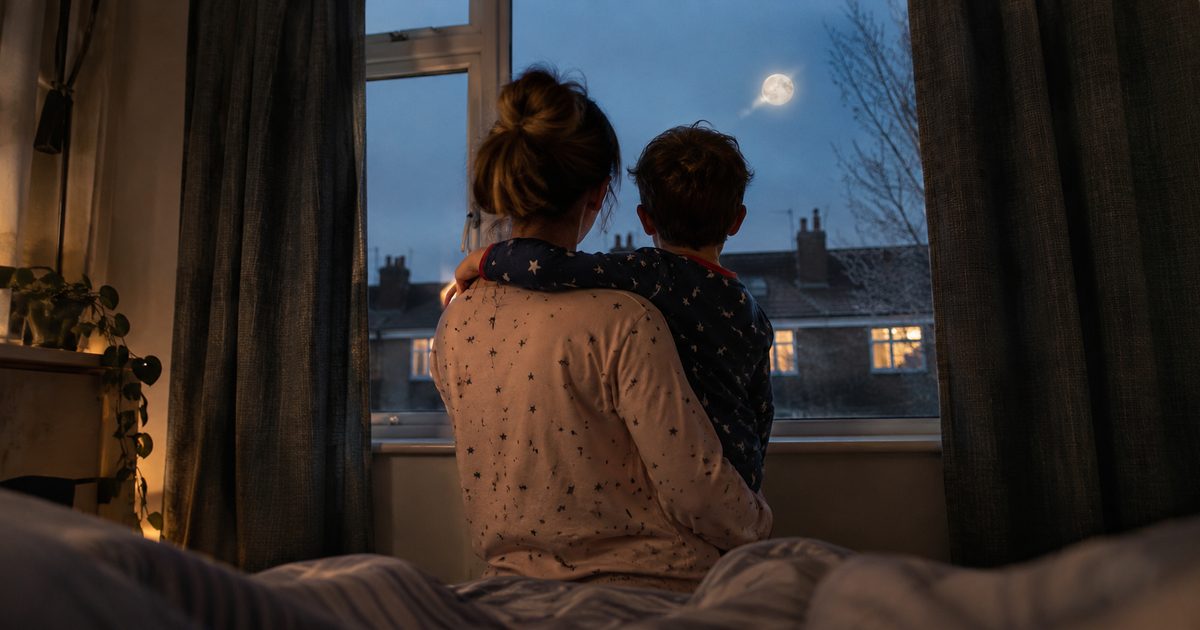
Once or twice a week, step outside at dusk and watch the light go. The sky colours, the birds go quiet, and then the first star or the moon turns up. Nobody needs to explain anything. It is the world's own signal that the day is closing, and children seem to feel themselves slowing with it. Younger ones love saying goodnight to the sun and then to the moon. Children nearer nine or ten might track the moon's shape through the month.
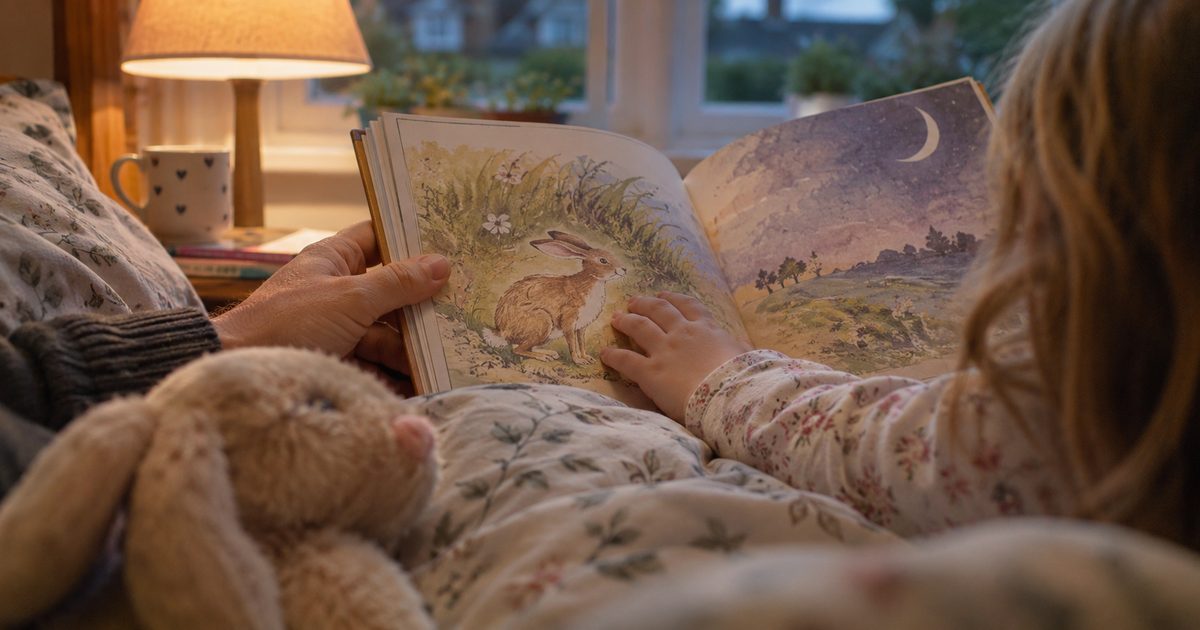
Then keep the steps the same, in the same order. Choose four or five calm ones and hold them steady: screens off, bath or wash, pyjamas, teeth, story, light out. A picture chart helps a child see what comes next and feel a little in charge of it. Three to five year olds can tick each picture off with a finger; older children often like to write their own routine, with quiet reading built in.
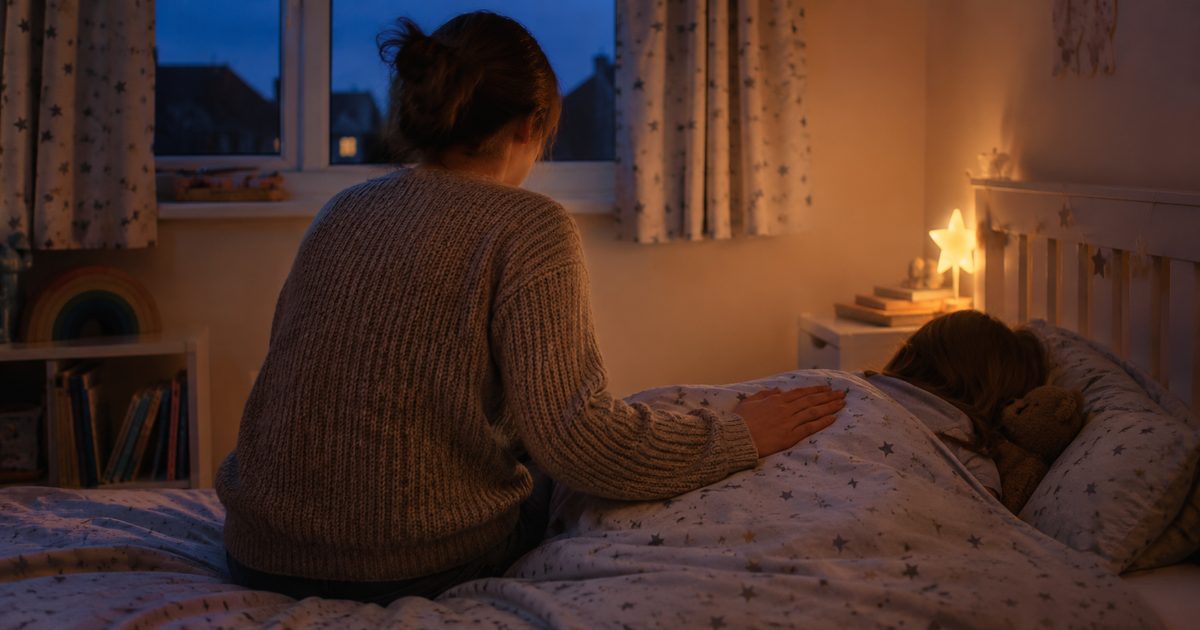
Leave room, too, for a few minutes of closeness that are theirs to look forward to. A slow back stroke. A whispered "best bit of today". A shared memory of something you spotted outside. When a child's need for you has been properly filled, letting go gets easier. For the youngest, the same lullaby or rhyme each night works beautifully; for older ones, five minutes of chat with the light turned low.
- Morning lightGet outside soon after waking, and make sure the day has running and fresh air in it.
- Watch the duskOnce or twice a week, step outside to watch the light go and say goodnight to the sun.
- Same steps, same orderHold four or five calm steps steady each night, with a picture chart to show what's next.
- A little closenessEnd with a few minutes that are theirs: a back stroke, a lullaby or the best bit of today.

Moon Smile, the crescent moonIn the stories, Moon Smile's smile is there when the lights go out and grown-ups say goodnight, a constant, kind presence in the dark. Meet Moon Smile
What you'll need
- Five minutes of morning light outside
- A picture chart of the bedtime steps
- Lamps to dim in the last hour
- A clear sky at dusk for moon spotting
Our tips
- Better nights start in the morning: daylight soon after waking and plenty of fresh air.
- Keep the same calm steps in the same order every night, so winding down starts at step one.
- Leave a few minutes of closeness at the end. A filled-up child lets go more easily.
Words to try
- "The sun has gone to bed. The moon's keeping watch now."
- "What's next on your chart?"
- "I'll check on you in five minutes." (and do)
- Try asking: "What's one thing from outside today you'd like to dream about?"
When to ask for more help
If your child regularly takes a very long time to fall asleep, snores loudly, often wakes in distress, or seems exhausted during the day, speak to your GP or health visitor. The Sleep Charity also has free resources for families.
Playbook: one week
For the fridge: one small step a day
- MonMake the bedtime picture chart together 20 mins
- TueMorning "hello sun" at the door 5 mins
- WedScreens off an hour before bed 0 extra mins
- ThuDusk walk: watch the light change 15 mins
- FriSame steps, same order, plus a closeness moment 0 extra mins
- SatBig outdoor day, early tea, early wind-down 2 hours
- SunMoon spotting before bed 10 mins
We will put each day on your family calendar, starting today, with the matching mission ready to open.
Questions parents ask
Why does my child keep getting out of bed after lights out?
Stalling at bedtime often means "I'm not ready to let go of you yet", especially after a day apart. Build a few minutes of real closeness into the routine, such as a back stroke or sharing the best bit of the day. Then promise to check on them in five minutes, and do.
How long before bed should screens go off for young children?
Sleep charities advise switching screens off and dimming the lights about an hour before bed. Bright screens blur the body's signal to release melatonin, the sleep hormone. Fill that hour with the same calm steps each night, such as bath, pyjamas, teeth and a story, so your child's brain starts winding down at the first step.
Does playing outside during the day help children sleep at night?
Yes, better nights often start in the morning. Daylight soon after waking helps set the body clock, and children who are physically tired tend to sleep better. Aim for a few minutes outside after breakfast and plenty of running, climbing and fresh air through the day. Watching the sunset together can be a lovely wind-down cue too.
Feelings in this guide
Wundoria is a set of eight story worlds for children aged 3 to 10, where every story ends with missions to do outside together. Our guides are written to support everyday family life; they are not medical advice. If you are worried about your child, talk to your GP or health visitor.
Play world one free How Wundoria works