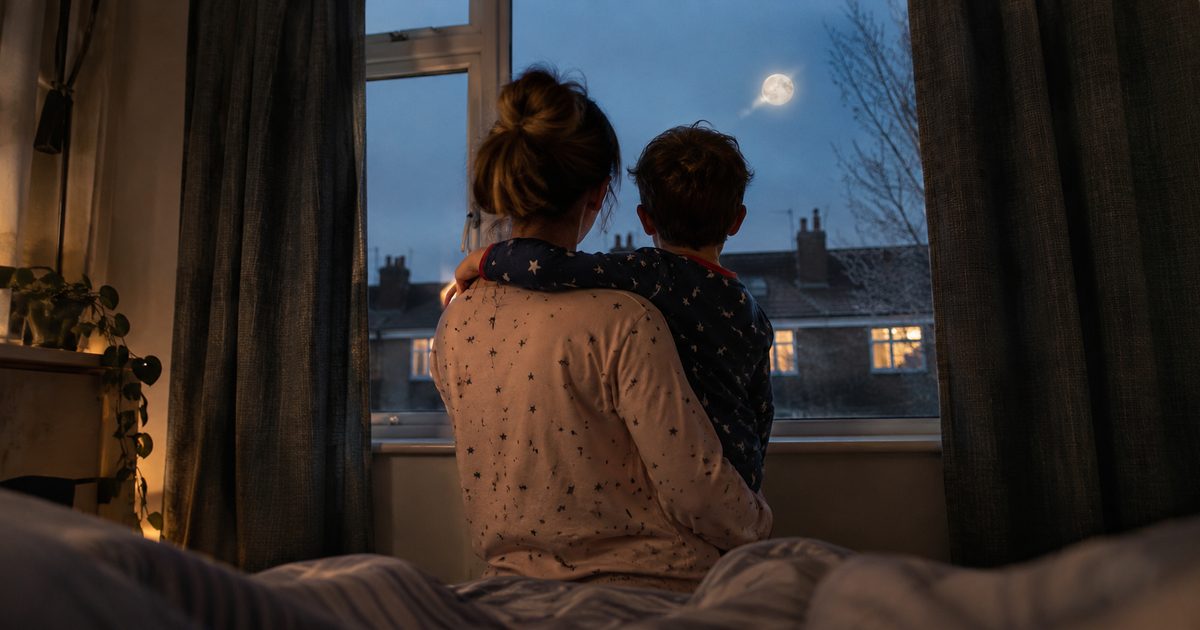
The knock comes at three in the morning, very quiet. "Mummy, the bed's wet." So it's sheets off, pyjamas changed, a sleepy cuddle, and a big effort not to sigh out loud. You get back into bed cold and wide awake. Then at breakfast your child won't quite meet your eye, and you realise they're far more upset about it than you are.
Bedwetting is much more common than most parents realise, and it is never anyone's fault. The kindest thing a parent can do, and the most effective, is take the shame out of it completely.
Nobody's fault, and here's why
NHS guidance is clear: bedwetting is nobody's fault, and it affects around 20% of five-year-olds and 10% of seven-year-olds (Wirral Community Health and Care NHS). It usually happens because a child doesn't feel the need to wee while they're asleep, makes a lot of wee at night, or has a bladder that's still growing. It often runs in families.
It isn't laziness, and it isn't naughtiness. NHS advice warns against punishing children for it, because that can make it worse. Constipation and caffeine can both play a part, and stress or big changes can bring wetting back after a dry spell, which is worth remembering when a new baby arrives or a new school year starts.
So the aim is fairly simple: keep a healthy daytime rhythm of drinks and toilet trips, avoid the things that make it harder, and protect your child's self-esteem above everything else.
What children carry from this
How a child is treated when their body won't do what they want shapes how they feel about that body for years. If wet sheets are met with calm, matter-of-fact kindness, a child learns that bodies grow at their own pace and that they're loved either way. In the long run, that self-acceptance matters far more than how quickly they're dry.
Small things, day and night
Spread drinks through the day. Children need plenty to drink during the day, and that helps the bladder grow. Encourage regular drinks of water, especially in the morning and early afternoon, and fewer in the hour or two before bed. Avoid caffeine, which means cola and tea as well as the obvious. Little ones like a water bottle of their own to carry on outdoor adventures; nine and ten year olds can fill their own bottle and keep track of it themselves.
Find a regular toilet rhythm. Toilet trips at regular times through the day, and always just before bed, make a real difference. A relaxed, unrushed sit helps the bladder empty fully, so there's no need to hurry anyone off. For the youngest, a toilet visit can be the last step on the bedtime chart. Older children might prefer a reminder they set themselves.
Keep days active and food good. Fruit, vegetables, water and plenty of movement help keep bowels regular, and constipation can press on the bladder. Outdoor play every day supports healthy digestion and deeper, steadier sleep. Small children love to pick and eat fruit with you; older ones can help cook fibre-rich meals, and might even eat them.
Make nights easy and kind. A waterproof mattress cover, spare pyjamas and sheets kept by the bed, and a soft night light to show the way to the toilet take a lot of the drama out of 3am. Keep night-time changes quick, calm and quiet, and keep it private, unless your child is happy for you to tell someone. With three to fives, a calm routine you've practised for changing helps everyone know what to do half asleep. Nine and ten year olds can change the sheets themselves if they choose, which protects their privacy.
- Drinks through the dayPlenty of water in the morning and early afternoon, fewer drinks in the hour or two before bed.
- A toilet rhythmRegular, unrushed toilet trips through the day, and always one just before bed.
- Active days, good foodFruit, vegetables and daily outdoor play keep bowels regular and sleep deeper and steadier.
- Easy, kind nightsA waterproof cover, spare sheets by the bed and a soft night light keep 3am calm and quiet.
What you'll need
- A waterproof mattress cover
- Spare pyjamas and sheets by the bed
- A soft night light to the toilet
- A water bottle of their own for outings
Our tips
- Keep 3am changes quick, quiet and calm, and never mention it to others in front of them.
- Front-load drinks in the morning and early afternoon, with fewer in the hour before bed.
- Celebrate effort and good habits, not dry nights, so their body never feels like a failure.
Words to try
- "It's OK. Lots of children's bodies are still learning this."
- "It's not your fault. Your body is growing at its own speed."
- "Let's get you cosy and back to sleep."
- Try asking: "How many drinks of water did you have on our walk today?"
When to ask for more help
Talk to your GP or school nurse if bedwetting continues after age five and is bothering your child, if it starts again after a long dry spell, or if it comes with daytime wetting, pain or constipation. Treatments are available, and ERIC, the children's bowel and bladder charity, has helpful guidance.
Playbook: one week
For the fridge: one small step a day
- MonSet up a waterproof cover and spare-sheet kit 15 mins
- TueWater bottle on the outdoor walk 0 extra mins
- WedAdd a toilet stop to the bedtime chart 5 mins
- ThuFruit picking or fruit snack together 10 mins
- FriNo caffeine, fewer drinks before bed 0 extra mins
- SatActive outdoor day 2 hours
- SunKind words: celebrate effort, not dry nights 5 mins
We will put each day on your family calendar, starting today, with the matching mission ready to open.
Questions parents ask
Is it normal for a 6-year-old to still wet the bed at night?
Yes, it is very common and it is nobody's fault. Bedwetting usually happens because a child doesn't yet feel the need to wee while asleep, makes a lot of wee at night, or has a bladder that is still growing, and it often runs in families. Calm, matter-of-fact kindness helps far more than worry, because bodies grow at their own pace.
Should I stop my child drinking in the evening to prevent bedwetting?
Rather than cutting drinks out, spread them through the day. Children need plenty of water, especially in the morning and early afternoon, which helps the bladder grow; then offer fewer drinks in the hour or two before bed. Avoid caffeine such as cola and tea, and make a relaxed toilet trip the last step of the bedtime routine.
Should I reward dry nights or tell my child off for wet ones?
Telling a child off can make bedwetting worse, so keep the focus on kindness. Celebrate effort and healthy habits, like remembering drinks or the bedtime toilet trip, rather than dry nights. Keep night-time changes quick, quiet and calm, and keep it private unless your child is happy for you to tell someone. If it is bothering them after age five, talk to your GP or school nurse.
Feelings in this guide
Wundoria is a set of eight story worlds for children aged 3 to 10, where every story ends with missions to do outside together. Our guides are written to support everyday family life; they are not medical advice. If you are worried about your child, talk to your GP or health visitor.
Play world one free How Wundoria works