Why bedtime is the best moment for grounding
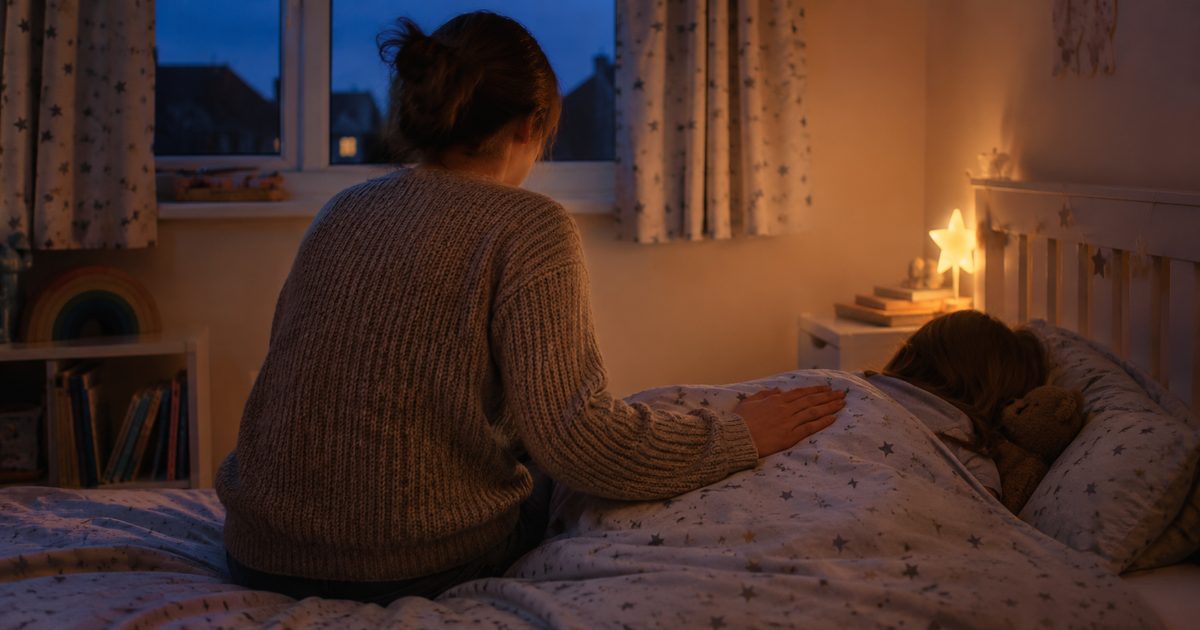
Bedtime is a daily threshold: a predictable pause between the buzz of the day and the quiet of sleep. That predictability makes it a powerful window for:
- Settling feelings: routines reduce uncertainty and ease the transition.
- Connection: cuddles, stories and whispers, small moments with big impact.
- Making sense of the day: nature pictures help children process feelings safely.
- Getting ready for sleep: a calm, repeated sequence tells the body it's time to rest.
The idea is simple: turn bedtime into a gentle ritual that grounds your child in nature's rhythms of moonlight, tides, trees and the turning Earth.
Why rituals feel safe
- Predictability lowers stress: familiar steps quieten the body's alarm system and make room for calm.
- Repetition builds habits: the same soothing steps, night after night, become linked with sleepiness.
- Your calm is catching: a steady breath and voice help your child's body slow down.
- Images help: the moon, waves and forests nudge body and mind into slower rhythms.
Simple, repeated rituals create safety. Safety creates calm. Calm invites sleep.
Nature bedtime stories and poems
Nature stories settle the body, soften big feelings and grow wonder. The best ones have gentle beginnings, safe middles and cosy endings; slow sensory detail like rustling leaves and a friendly moon; simple pictures (tides for feelings, trees for growing, stars for hopes); and repeated lines that work like a lullaby.
How to tell them: dim the lights and sit close, speak slowly just above a whisper, and finish with a thank-you and one slow breath. Wundoria's story-poems Moon Smile and The Earth Is My Friend were written for exactly this moment.
Calming routines by age
Toddlers (18-36 months): 15-25 minutes
- A warm bath or warm flannel.
- Soft light and a snuggle.
- A short nature poem (two or three minutes).
- Humming and swaying for a minute or so.
- Point to the moon or a star sticker and say goodnight.
Keep words few and soothing, in the same order every night.
Preschoolers (3-5): 20-30 minutes
- A tidy-up song.
- Toothbrushing with "rain sounds".
- A nature bedtime story (five to seven minutes).
- Moon breathing: in for four, out for six, five times.
- A gratitude leaf: one thing the Earth did for us today.
School age (6-9): 25-35 minutes
- Screens off an hour before bed ("lamps on, curtains drawn").
- A warm drink.
- A nature story or poem, and one gentle question about it.
- A "roots to crown" body scan: toes, legs, tummy, chest, jaw.
- One line in a journal: "Tonight I'm as calm as ____."
- Soft lightDim the lights and snuggle close, keeping the same few steps in the same order every night.
- A nature storyShare a short nature story or poem, read slowly and just above a whisper.
- Moon breathingBreathe in for four and out for six, five times, feeling the body get softer each time.
- A gratitude leafName one thing the Earth did for you today, then say goodnight to the moon.

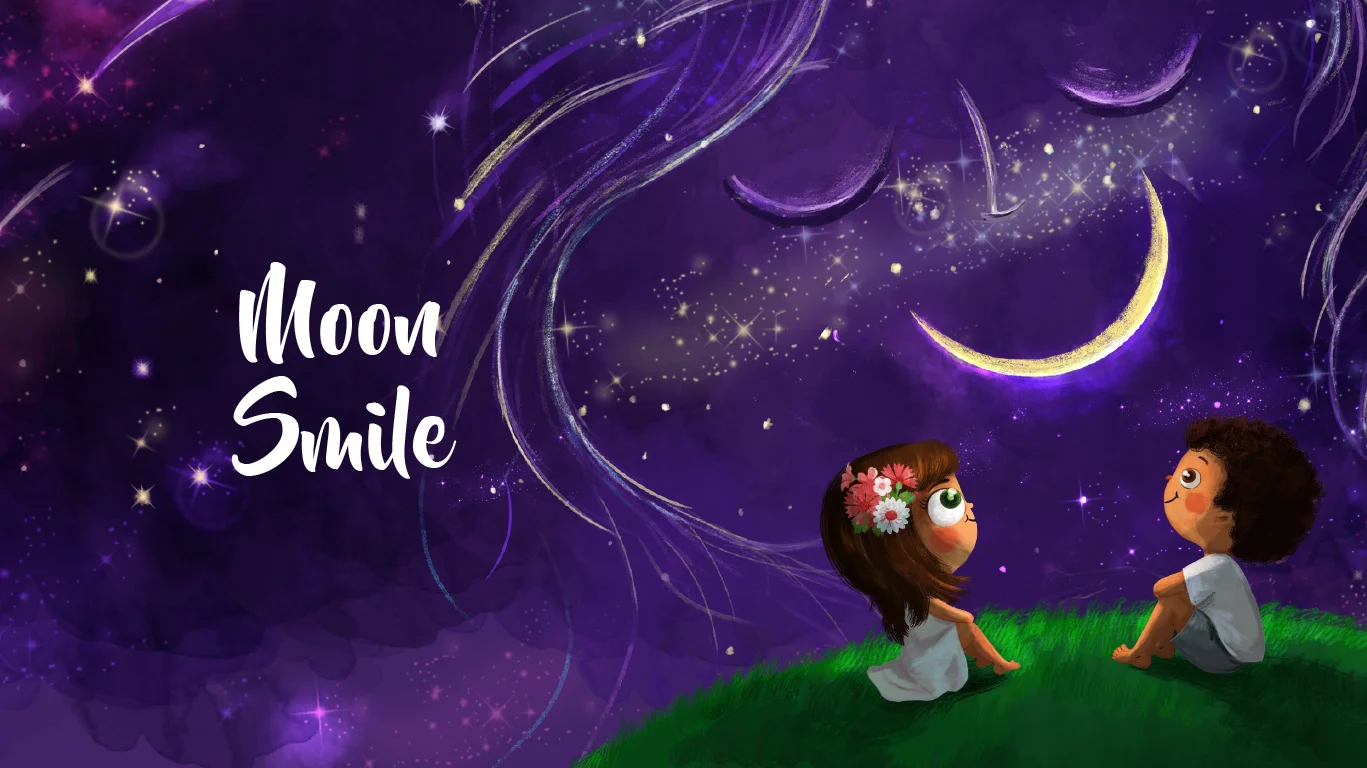
Moon Smile, the crescent moonIn the stories, Moon Smile's smile is there when the lights go out and grown-ups say goodnight, a kind presence that turns night-time into something that holds you. Meet Moon Smile
Rituals for the senses
- Sight: a dim, warm lamp or a small moon nightlight.
- Sound: a whispered story, soft rain sounds, or the family humming one note for thirty seconds.
- Smell: fresh sheets, or a pine cone on the chest of drawers.
- Touch: a gentle "tree roots" foot rub.
- Taste: a warm sip with a thank-you to the Earth.
Choose one small ritual from two or three senses and keep them consistent.
Words to use tonight
- For anxious nights: "Let's ride the tide together. Breathe in like a tiny wave... breathe out as it rolls back. Feel your body getting softer."
- For busy brains: "Imagine a big, friendly tree. Each time you breathe out, hang one thought on its branches like a leaf. The tree can hold them till morning."
- When the day was hard: "The moon sees everything and keeps it safe. Let's tell it one worry, one wish and one thank-you."
- When they want one more: "One more page, then we'll listen to the quiet Earth for three breaths."
A seven-night nature bedtime plan
| Night | Ritual | Time |
|---|---|---|
| 1 | Read Moon Smile and practise moon breathing | 5-7 mins |
| 2 | Forest body scan: roots, trunk, branches, leaves | 7-10 mins |
| 3 | Ocean tide calm: picture the waves while you breathe | 5-8 mins |
| 4 | "Thank you, Earth, for ___", with a paper leaf in a jar | 5 mins |
| 5 | Star count, or imaginary constellations on the ceiling | 5-10 mins |
| 6 | Read The Earth Is My Friend | 7-10 mins |
| 7 | A favourite slow story, then goodnight to the moon, trees and waves | 10-12 mins |
Rotate the plan weekly. Consistency beats complexity.
When bedtime is tricky
- Restless movers: let them "sway like wheat" for a minute before settling.
- Sensory sensitivities: lower sound and scent and keep textures predictable.
- Separation worries: leave a moon note by the bed: "I'll check on you after ten breaths."
- Short on time: keep one anchor ritual, a story or a breath, under five minutes.
- Shared rooms: use silent rituals like a body scan or squeeze-and-release.
- Picture schedules: bath, story, breath, lights. Change one thing at a time.
Questions parents ask
How long should a bedtime routine be?
Between fifteen and forty minutes depending on age and temperament. Short and steady wins.
What if my child resists stories?
Swap to a poem or a two-minute picture-journey, and let them choose between two options.
We live in a city. Does nature still work?
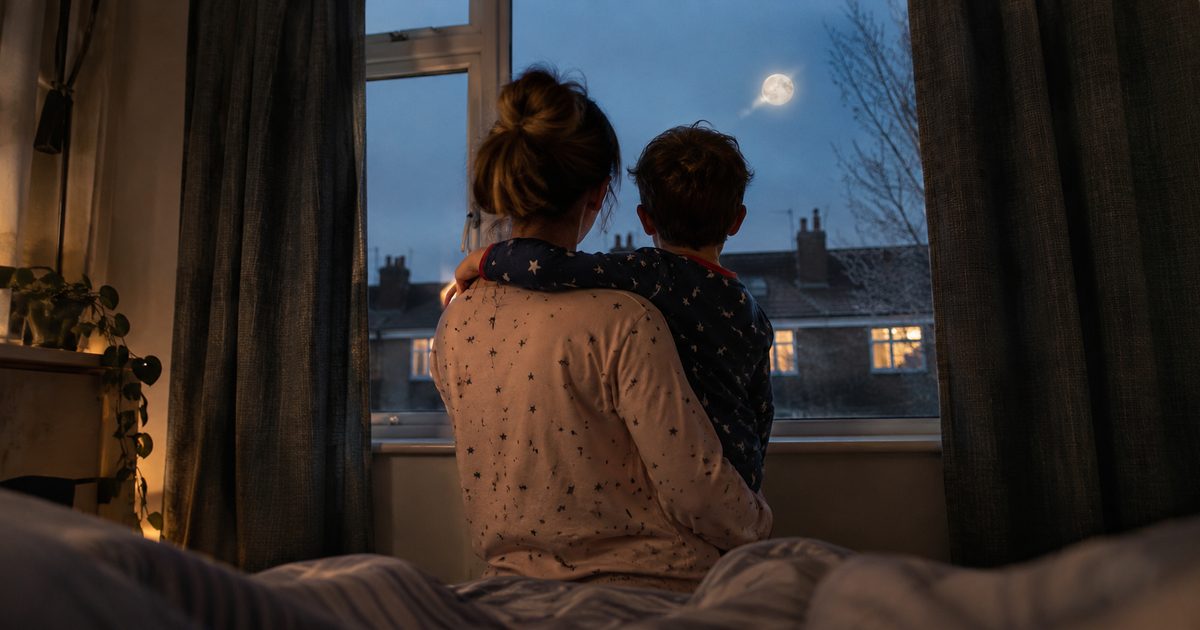
Yes. The moon through a window, potted plants, even a picture of a forest can ground the senses.
How soon will it help?
Rituals are habits. Many families notice easier bedtimes within one to two weeks of doing them consistently.
Feelings in this guide
Wundoria is a set of eight story worlds for children aged 3 to 10, where every story ends with missions to do outside together. Our guides are written to support everyday family life; they are not medical advice. If you are worried about your child, talk to your GP or health visitor.
Play world one free How Wundoria works