Last week they loved this pasta. Tonight it is "yucky". The peas have been pushed to the edge of the plate in a careful green line, and you are trying very hard not to count how many mouthfuls have actually gone in. Teatime, which you once pictured as warm and chatty, has turned into a quiet negotiation across the table.
If food has become a worry in your house, you are far from the only one. "Tips for when your child is a fussy eater" was the third most-read article on Action for Children's parent support service in a year, read by more than 24,000 people (Action for Children).
Why the peas end up in a line
Wariness of new food is a normal stage of growing up, and it has a sensible root. For our ancestors, a small child who cheerfully ate any unfamiliar berry was in danger. Caution kept them alive. So lots of children go through a spell of preferring the familiar, especially between about two and six.
Here is the reassuring part. NHS guidance notes that fussy eating doesn't usually affect most children's growth or health, and that it can take over 20 tries before a child learns to like a new food (NHS Cambridgeshire and Peterborough). Over twenty. Most of us, quite reasonably, give up after two or three.
So what helps is slow and a bit boring: calm, repeated, low-pressure contact with the food. Seeing it, touching it, smelling it, watching someone else enjoy it. Pressure, bribes and battles tend to make food feel risky, and that feeds the very caution we are hoping to soften.
The longer story food is telling
A child's relationship with food reaches well beyond tonight's dinner. Children who grow up curious about food, where it comes from and how it makes their bodies feel are better placed to eat well as teenagers and adults, and to see food as something to enjoy rather than fight or fear. The table is also one of the best places a family has to slow down and talk, and that habit is worth guarding for the teenage years.
Bringing food closer to the soil
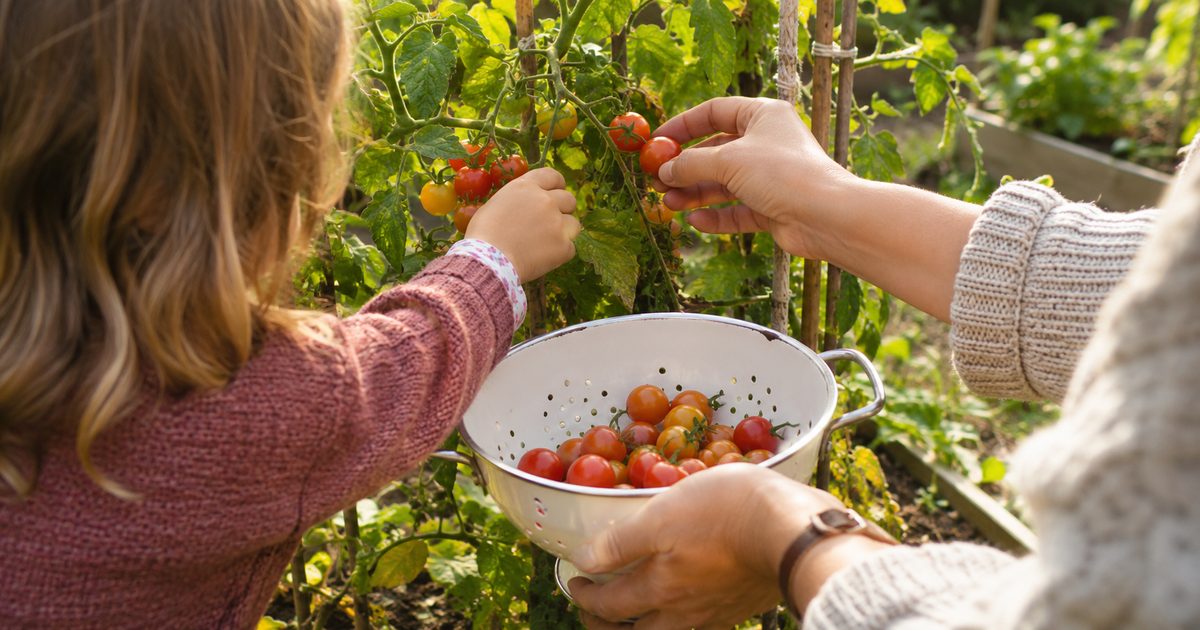
Children are far more likely to taste something they grew themselves. Start with something quick and forgiving: cress on a windowsill, radishes, cherry tomatoes, strawberries or herbs in a pot. The watering, the waiting and the picking turn a vegetable into a small friend. Little ones can grow cress on cotton wool and have it ready in about a week; older children might plan and look after a small pot or bed of their own.
Go and taste the seasons where they happen. A pick-your-own farm, a market, an orchard, or blackberries in late summer with a grown-up who knows them well. Eating fruit where it grows wakes up every sense and makes food into a story rather than a test. Only pick what a grown-up is sure of. Younger children love closing their eyes, tasting, and guessing the fruit; nine and ten year olds might find out where three foods in your kitchen were grown.
Eat together when you can, with the same food for everyone where that is possible. Put a tiny amount of the new thing next to something they already like, and let them decide whether to try it. You offer; they choose how much. Children copy what they see, so let them catch you enjoying it. With three to five year olds, a "learning plate" where tasting is optional takes the heat out. Older children can help plan and cook one meal a week.
And keep a steady rhythm of meals and snacks, with time outside in between to build up an appetite, so children come to the table hungry rather than grazed out. Hunger and thirst signals work best when they get the chance to show up. Fixed snack times with water in between suit the youngest; older ones can help pack their own snack.
- Grow somethingStart with cress, radishes or strawberries in a pot, so a vegetable becomes a small friend.
- Taste the seasonsVisit a farm, market or orchard and taste fruit where it grows, picking only what's safe.
- Eat togetherPut a tiny amount of the new food beside a favourite, and let them choose whether to try it.
- A steady rhythmKeep regular meals and snacks with time outside between, so they come to the table hungry.
What you'll need
- Cress seeds and cotton wool, or a pot
- A trip to a farm, market or orchard
- Fresh fruit for an eyes-closed tasting
- Set meal and snack times with water between
Our tips
- Expect it to take many tries. Keep offering calmly, without bribes or battles.
- Put a tiny bit of the new food beside a favourite, and let them choose how much.
- Let them catch you enjoying it. Children copy what they see far more than what they hear.
Words to try
- "You don't have to eat it. It can just sit on your plate and say hello."
- "What does it smell like? What colour is it inside?"
- "This one grew on a bush, just like the blackberries we picked."
- Try asking: "If you were a strawberry, where would you like to grow?"
When to ask for more help
If your child eats a very small range of foods (fewer than about 20), is losing weight or not growing as expected, gags or is distressed by many textures, or if mealtimes are causing you real worry, talk to your health visitor, school nurse or GP.
Playbook: one week
For the fridge: one small step a day
- MonPlant cress or herbs together 15 mins
- TueNew food on the plate, tasting optional 0 extra mins
- WedEyes-closed fruit tasting game 10 mins
- ThuWater and check the plants 5 mins
- FriCook one simple dish together 30 mins
- SatMarket, farm or orchard visit 1 hour
- SunFamily meal with something you grew or picked 0 extra mins
We will put each day on your family calendar, starting today, with the matching mission ready to open.
Questions parents ask
How many times should I offer a new food before giving up?
Keep going for longer than feels natural, as it can take more than 20 tries before a child learns to like a new food. Offer a tiny amount beside something they already enjoy, let them decide whether to taste it, and let them see you enjoying it. Seeing, touching and smelling it all count as progress.
Should I use pudding as a reward for eating vegetables?
It is usually better to avoid bribes and pressure, because they can make food feel risky and strengthen the caution you are trying to soften. Your job is to offer the food and their job is to choose how much to eat. Calm, repeated, low-pressure contact with new foods works better over time.
Is fussy eating normal for a 4-year-old?
Yes, wariness of new foods is a normal stage, especially between about two and six, and it doesn't usually affect growth or health. Growing something together, like cress or cherry tomatoes, often makes children more willing to taste. If they eat a very small range of foods or aren't growing as expected, talk to your health visitor or GP.
Feelings in this guide
Wundoria is a set of eight story worlds for children aged 3 to 10, where every story ends with missions to do outside together. Our guides are written to support everyday family life; they are not medical advice. If you are worried about your child, talk to your GP or health visitor.
Play world one free How Wundoria works