"Shoes on, please." Nothing. "Shoes on." Still building Lego. "SHOES. ON. NOW." They look up, startled, as though this is genuinely the first they've heard of it. You're late, your voice is raised, and you really didn't want to start the morning like this.
If it sounds familiar, you're in very good company. "How to talk so little kids will listen" was the most-searched parenting question in one US state in a recent analysis of Google data (VocoVision). Listening isn't a switch children flip on. It's something they grow into, slowly, and you can grow it alongside them.
Where your voice goes when they're busy
When a child is absorbed in play, their attention locks onto it like a torch beam. A voice from across the room often doesn't register at all. It isn't defiance; it's focus, the same focus we'd love them to have for homework one day. Young children also find it hard to hold several instructions at once. "Get dressed, brush your teeth and find your bag" can easily shrink to "get dressed", or to nothing.
There's a second layer, too. Children listen best to the people they feel close to. When most of what they hear from us is instructions and corrections (and on a rushed morning, that's most of it), they learn, quite reasonably, to tune some of it out.
So what helps comes from both sides. Move their attention before you speak, keep the words short and clear, and fill the rest of the day with enough warmth that your voice is a sound they want to turn towards.
Being heard, and learning to hear
So much later on grows from this: following a teacher, understanding a friend, hearing a different point of view, staying safe near a road. A child who learns to pause and really hear, and who feels really heard, tends to become a teenager who still talks to you and an adult who listens to other people. Listening, it turns out, is mostly learned by being listened to.
Ways to be heard without raising your voice
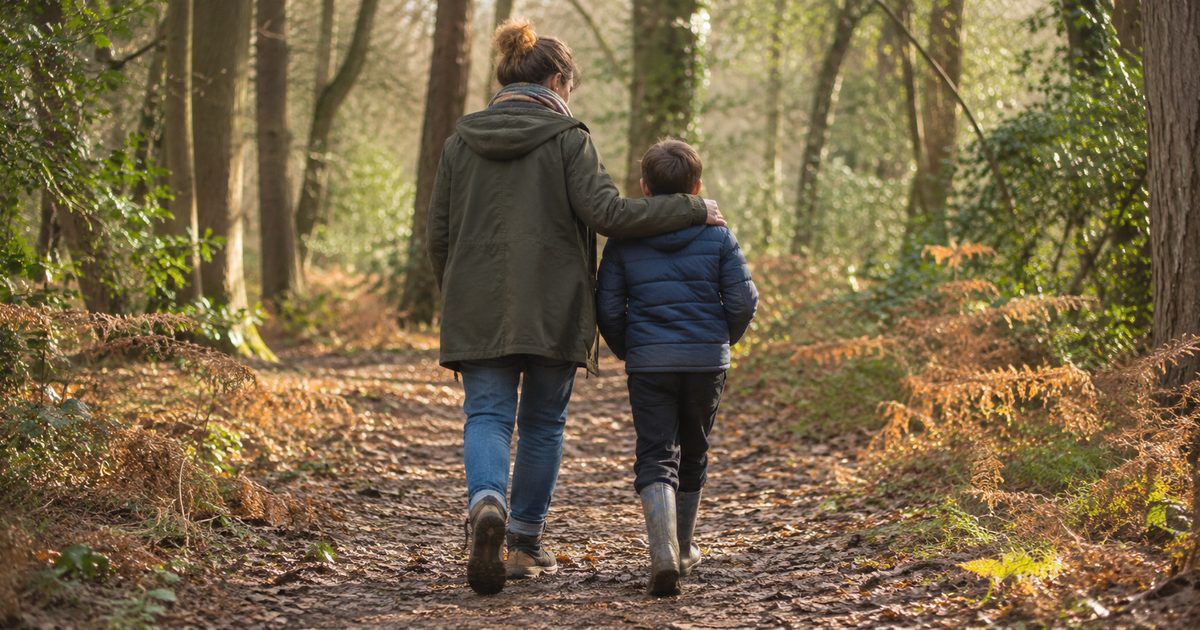
Try a listening walk. Once a day, go outside and listen together, in silence, for one minute. Then share everything you heard: a blackbird, a car somewhere far off, wind in the leaves, your own footsteps on the path. You're training the attention muscle in its most natural setting, and honestly it's one of the nicer minutes of the day. Children of 3 to 5 can count the sounds on their fingers. Nine- and ten-year-olds might map them on paper, near and far.
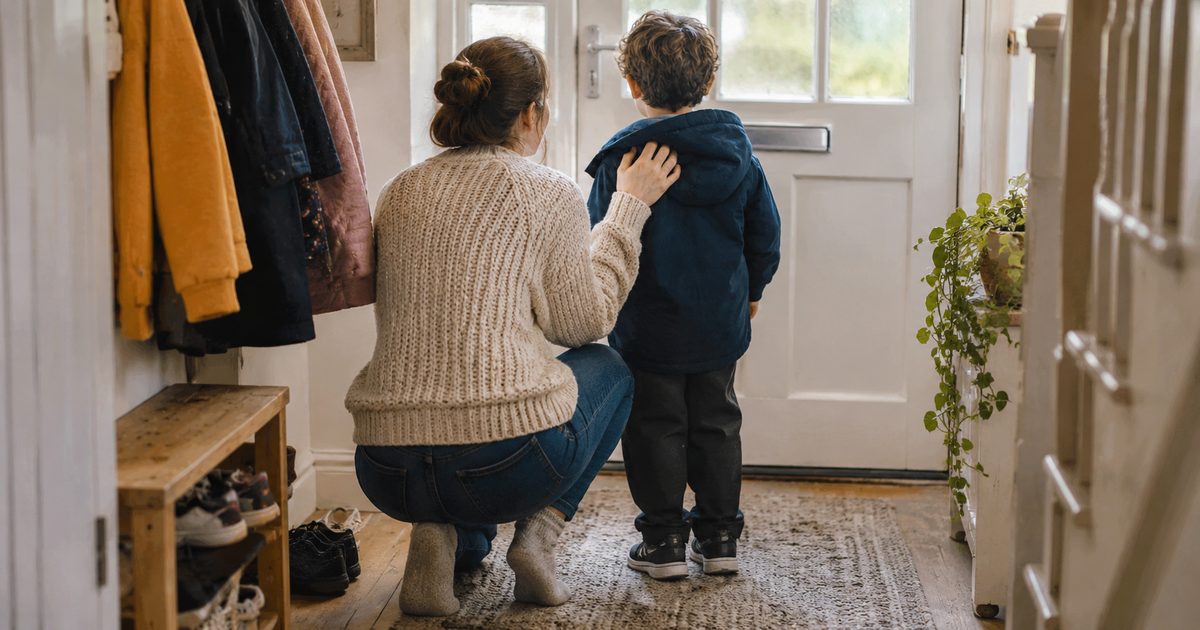
Connect before you direct. Before asking for anything, close the gap: walk over, get down to their level, touch a shoulder, say their name, and wait for them to look at you. Then give one clear instruction. It feels slower in the moment, but it saves the third and fourth reminder. With little ones, give one step at a time. Older children can take two or three steps, and you can ask them to say the plan back to you.
Say what to do, once, kindly. "Walk beside me" is easier to follow than "don't run", because the brain has to picture the instruction to act on it. Say it once, calmly, and then follow through gently, for example by guiding a hand towards the shoes. Calm consistency teaches more than volume does, even if volume is very tempting at ten to nine. For 3- to 5-year-olds, show as well as tell. For 9- and 10-year-olds, give the reason in a single sentence.
And give them ten minutes of being heard. Each day, offer a short stretch where your child leads and you simply listen: on a walk, at bath time, or lying on the grass looking up. No correcting and no teaching. Children who feel listened to listen more. With the youngest, just follow their play. With older children, ask about something they love and let them be the expert for a while.
- A listening walkListen outside together in silence for one minute, then share every sound you heard.
- Connect firstGet down to their level, say their name and wait for their eyes before one clear request.
- Say it once, kindlySay what to do rather than what not to do, once and calmly, then gently follow through.
- Ten minutes heardEach day let your child lead for a short while as you simply listen, with no correcting.
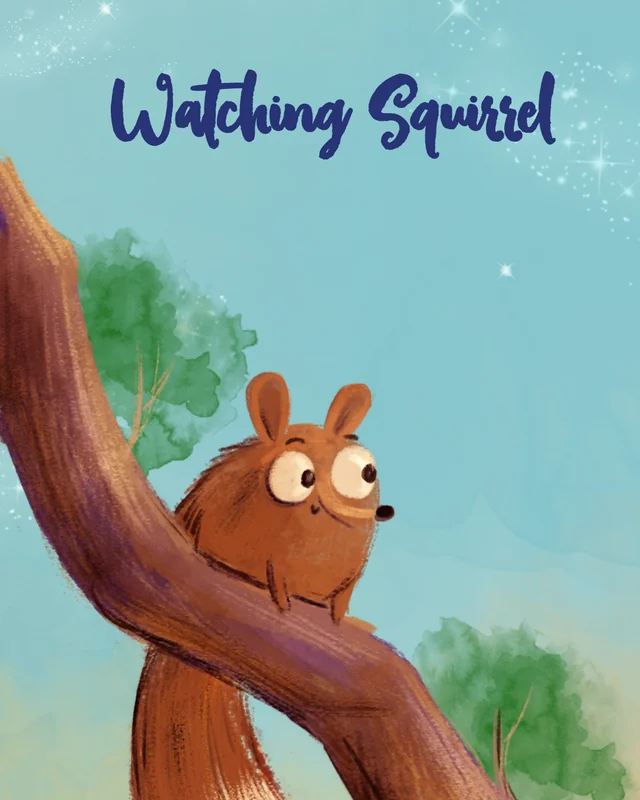
Watching Squirrel, the quiet observerIn the stories, Watching Squirrel simply sits and notices, showing children they can be part of everything and calm at the same time. Meet Watching Squirrel
What you'll need
- One quiet minute outside each day
- Ten minutes where your child leads
- A moment to crouch to their level
- Paper for mapping near and far sounds
Our tips
- Walk over and wait for their eyes before you ask. It saves the third and fourth reminder.
- Turn a "don't" into a "do": say what you want to see, once and calmly.
- Fill the day with enough warmth that your voice is a sound they want to turn towards.
Words to try
- "Sam, look at me a moment. Shoes on, please."
- "What's the plan? Can you tell me?"
- "I can see you really want to finish that. Two more bricks, then shoes."
- Try asking: "What was the quietest sound you heard today?"
When to ask for more help
If your child often seems not to hear at all, struggles to follow simple instructions even when calm and connected, or has speech that seems behind, ask your GP or health visitor about a hearing check. Teachers can also tell you whether listening is a struggle at school too.
Playbook: one week
For the fridge: one small step a day
- MonOne-minute listening walk 5 mins
- TuePractise connect-then-direct at every request 0 extra mins
- WedTen minutes where your child leads 10 mins
- ThuListening walk: near sounds and far sounds 10 mins
- FriTurn three "don't" sentences into "do" sentences 0 extra mins
- SatDawn or dusk listening for birds 20 mins
- SunAsk: "When did you feel listened to this week?" 10 mins
We will put each day on your family calendar, starting today, with the matching mission ready to open.
Questions parents ask
Why does my child ignore me when they're playing?
Usually it isn't defiance but deep focus. When a child is absorbed in play, a voice from across the room often doesn't register at all. Walk over, get down to their level, say their name and wait for eye contact before you speak. It feels slower, but it saves the third and fourth reminder.
How many instructions can a 4-year-old follow at once?
At this age, one step at a time works best. A list like "get dressed, brush your teeth and find your bag" can easily shrink to just one part, or none. Give one short, clear instruction, show as well as tell, and add the next step once the first is done. Older children can manage two or three.
Does raising my voice make my child listen better?
Shouting may get a startled look, but calm consistency teaches more than volume. Say what you want once, kindly, in positive words, such as "walk beside me" rather than "don't run", then follow through gently, for example by guiding a hand towards the shoes. Ten minutes a day of simply listening to them also helps them listen to you.
Feelings in this guide
Wundoria is a set of eight story worlds for children aged 3 to 10, where every story ends with missions to do outside together. Our guides are written to support everyday family life; they are not medical advice. If you are worried about your child, talk to your GP or health visitor.
Play world one free How Wundoria works