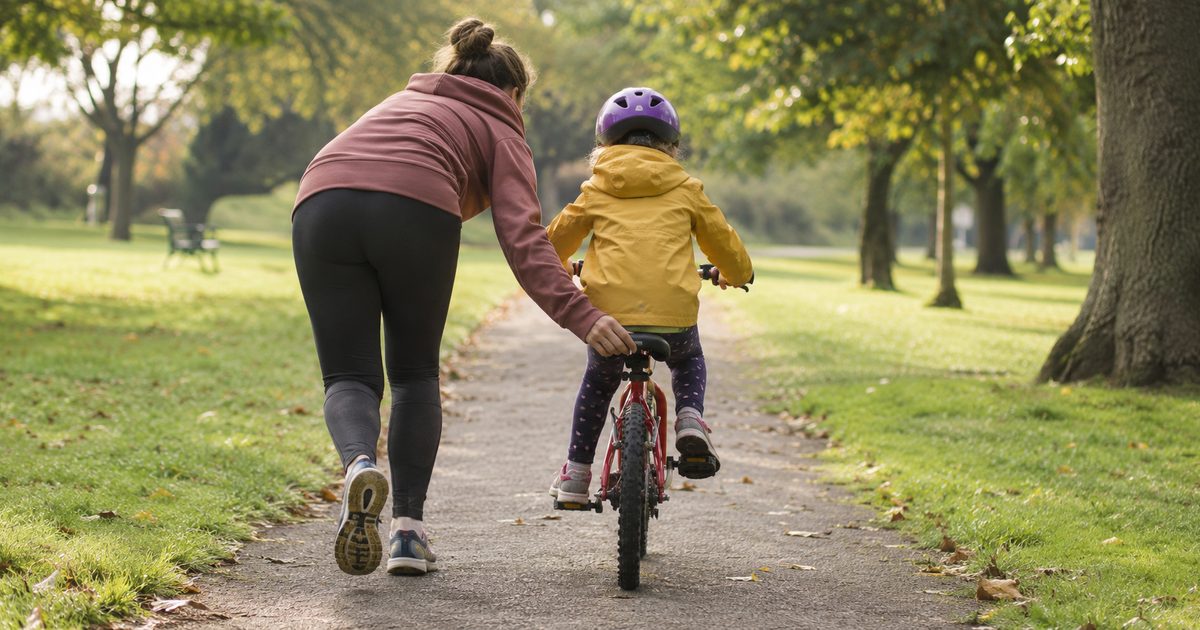
The bike wobbles, tips over onto the grass, and that's that. "I'm never riding it again." The helmet comes off. Earlier it was the puzzle, abandoned after two minutes, and tonight it will be the reading book, which turns "boring" the moment a tricky word turns up. You can see how much more your child could do, if they'd only stay with it a little longer. And you're tired too, and it's tempting to just put the bike back in the shed.
Persistence isn't something children either have or don't. It grows, a bit like a seed, when the conditions are right: small challenges, patient support, and plenty of evidence that trying again actually works.
Why they reach for the exit
Giving up is usually a way of getting away from an uncomfortable feeling. Frustration, embarrassment, the fear of failing. When something feels hard, a young brain heads for the door quickly. And if a child believes ability is fixed ("I'm just not good at this"), stopping protects them from proving it.
Children who learn that effort leads to improvement, that "I can't do it yet" is not the same as "I can't do it", are much more likely to keep going. What they really need is to feel the joy of finally getting there after a struggle.
So the work is fairly simple, if not always easy. Offer challenges that are just slightly too hard. Break big tasks into small steps. Notice their effort and the way they went about it. And let them watch the slow, patient growth that nature shows everywhere.
The ten-year-old who keeps at the maths
Resilience, the ability to keep going after setbacks, is one of the strongest predictors of how well children cope with school, friendships and life. The five-year-old who finds out the bike gets easier with practice becomes the ten-year-old who keeps working at maths, and the adult who doesn't quit at the first rejection. None of that comes from lectures. It comes from living through it.
Small ways to grow a stayer
Start with seeds, because they do the teaching for you. Plant some together (sunflowers, beans or cress) and watch them over days and weeks. For a while, nothing seems to happen at all. Then one morning there's a tiny shoot. You can talk about that, lightly: growth takes time, and so does learning. Cress on a windowsill is perfect for little ones, as it's ready in about a week. Children of nine or ten might keep a growing diary, with drawings and measurements.
Then there's one small word. Whenever your child says "I can't", add "yet". "I can't ride my bike... yet." It turns a failure into a point on a longer road. With three to five year olds, make "yet" silly and sing-song, so it becomes a bit of a game. Older children might like a "can't yet" list they tick off over the months.
Hard things feel less impossible in pieces. Balance on the bike first, then scoot, then pedal, and celebrate each little step along the way, because small wins are what build the motivation to carry on. For a small child at a stuck puzzle, it might be as simple as "let's just try one more piece." Nine and ten year olds can help plan the steps themselves towards something bigger they want to do.
And let them see you struggle. Tell them about things you found hard and kept practising. Better still, let them watch you try something new and be bad at it to begin with. A little one might like hearing "I couldn't whistle when I was little. I practised every day." With older children, you could learn a new outdoor skill side by side, like tying knots, or fire-lighting with supervision, and both be clumsy at first together.
- Plant and waitGrow seeds together and notice how nothing seems to happen, until one morning a shoot appears.
- Add yetWhenever they say I can't, add the word yet, so a failure becomes a point on a longer road.
- Small piecesBreak hard things into little steps, like balance, scoot then pedal, and celebrate each one.
- Show your struggleLet them watch you try something new and be clumsy at first, then keep practising.
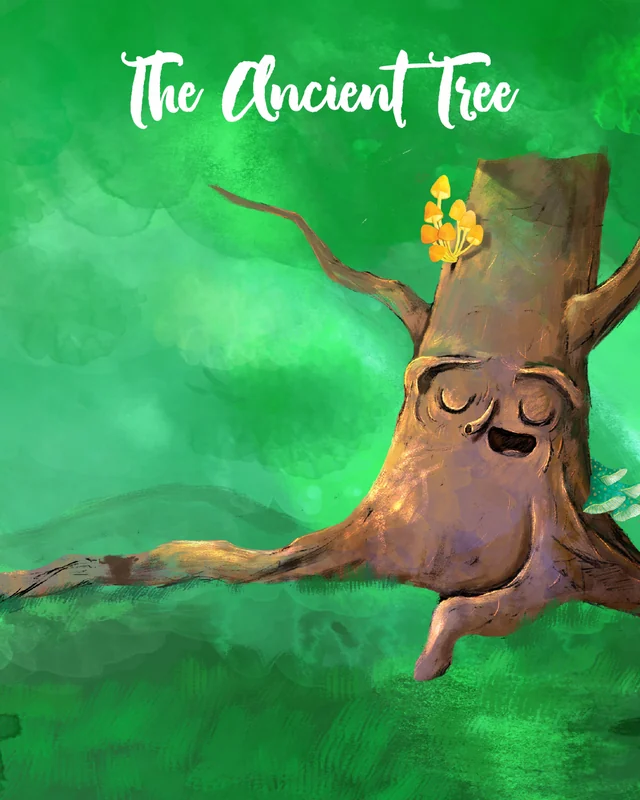
The Ancient Tree, the wisdom keeperIn the stories, the Ancient Tree has been here since the beginning of time and is in no hurry at all, a beautiful model of patience. Meet The Ancient Tree
What you'll need
- A packet of cress, bean or sunflower seeds
- A sunny windowsill and a small pot
- Five minutes a day to check the shoots
- A new outdoor skill to learn side by side
Our tips
- Choose challenges that are just a little too hard, not far too hard.
- Notice the trying and the way they went about it, not only the result.
- Let them see you be clumsy at something new, and keep going anyway.
Words to try
A few phrases to keep in your pocket:
- "You can't do it yet. Let's keep trying."
- "I noticed you tried again. That's what learning looks like."
- "Shall we try just one more little step?"
- Try asking: "What did the seed do before it showed its first leaf?"
When to ask for more help
If your child gives up on almost everything, seems very low in mood, or struggles with tasks in a way that seems linked to learning or coordination difficulties, talk to their teacher and your GP.
Playbook: one week
For the fridge: one small step a day
- MonPlant seeds together 15 mins
- TueAdd "yet" to every "I can't" 0 extra mins
- WedBreak one hard task into small steps 15 mins
- ThuCheck the seeds: anything yet? 5 mins
- FriShare a story of something you found hard 5 mins
- SatPractise a new outdoor skill together 1 hour
- SunCelebrate one thing that got easier this week 10 mins
We will put each day on your family calendar, starting today, with the matching mission ready to open.
Questions parents ask
Why does my 6-year-old give up as soon as something gets hard?
Giving up is usually a way of escaping an uncomfortable feeling, such as frustration, embarrassment or a fear of failing. If your child believes they are simply not good at something, stopping protects them from proving it. Gently adding "yet" to their "I can't" and breaking the task into smaller steps helps them see that effort really does lead to improvement.
Should I let my child quit something they find too hard, or make them keep going?
Rather than choosing between quitting and pushing, try making the next step smaller. Offer challenges that are only slightly too hard, then suggest just one more little try, such as one more puzzle piece or balancing before pedalling. Celebrate each small step, because small wins build the motivation to keep going far better than lectures or pressure.
How should I praise my child so they learn to keep trying?
Praise the effort and the strategy rather than the result or how clever they are. Saying "I noticed you tried again, that's what learning looks like" tells your child that persistence is what matters. Sharing your own stories of things you found hard and kept practising also shows them that struggling at first is a normal part of getting better.
Feelings in this guide
Wundoria is a set of eight story worlds for children aged 3 to 10, where every story ends with missions to do outside together. Our guides are written to support everyday family life; they are not medical advice. If you are worried about your child, talk to your GP or health visitor.
Play world one free How Wundoria works