The tower falls down, again. Or the race at sports day ends with a stumble on the grass and a long walk back to the line. Or the party invitation that everyone else seems to have got never arrives. And there it is: the crumpled face, the "I'm rubbish at everything," the slammed door.
Our first instinct is to make it go away. To rebuild the tower, find a reason, promise a better day. But resilience doesn't come from never falling. It comes from falling, being caught kindly, and discovering, slowly, that the falling didn't last.
What bouncing back looks like at different ages
At 3 to 5, resilience is very physical. A small child trips, howls, and two minutes later is running again, as long as someone they love was there to see it. Disappointments feel total and enormous. A broken biscuit can be a genuine tragedy, and that's not silliness. They simply haven't lived long enough to know that feelings end.
At 6 to 10, children start to carry things. A hard day at school can come home in their shoulders. They notice who is faster or better at reading, and they begin to tell themselves stories: "I can't do maths," "Nobody likes me." Some children cry. Others shrug and say they don't care, which usually means they care a great deal.
None of this means a child isn't resilient. Resilience isn't the absence of upset. It's the coming back from it, and that is something every child is still learning.
Staying close while it's hard
The heart of it is surprisingly simple. Children learn they can cope with hard things by coping with hard things while someone steady stays nearby.
That means letting the feeling be as big as it is, without rushing to fix it. "That really hurt. You'd worked so hard on it." Sit with them. You don't have to say much. The message underneath is: this is hard, and you are not alone with it.
Then, when the storm has passed, help them notice what happened next. "Earlier you were so sad. And now here you are, building again." Children need to hear that the bad feeling came and went, because they won't always see it for themselves. Over time they start to say it to themselves.
Try not to step in too quickly with solutions. Give them a moment to try something, even something that doesn't work. The small experience of trying again, and managing, is worth more than any reassurance. If your child tends to give up at the first wobble, the guide on children who give up easily goes much deeper.
And let them see you have a hard day too, and come through it. "That was a rotten morning. A cup of tea and a walk, and it feels a bit smaller now." That is resilience, said out loud.
- Stay closeLet the feeling be as big as it is. Sit nearby and say what you see, without rushing to fix it.
- Wait a littleGive them a moment to try something themselves before you step in with an answer.
- Notice the afterOnce it has passed, point out that the hard feeling came and went, and they managed.
- Show your ownLet them see you have a rotten morning too, and talk about how it slowly got smaller.

Sun Sparkle, the smiling sunIn the stories, Sun Sparkle's brightness is always there, even on cloudy days. Clouds pass in front of the sun but never put it out. Meet Sun Sparkle
What the weather teaches
Nature is full of things that get knocked and carry on. A spider's web torn by the wind is rebuilt by morning. Grass trodden flat on the path stands back up in a day or two. A tree that loses a branch in a storm still puts out leaves in spring.
Go looking for them together. On a walk after a windy night, notice what fell down and what's still standing. Find the dandelion pushing through the crack in the pavement. Watch a snail slide off a wall and patiently start again. You don't need to explain what it means. Children make the connection on their own, often at bedtime, in a sentence that catches you by surprise.
Weather itself is one of the best teachers. Rain comes and it passes. Going out in it, getting wet, and coming home to dry socks is a small, lived reminder that uncomfortable things end. When the disappointment is the main feeling, the page on disappointment may help too.
What you'll need
- Time to sit close, without fixing
- A walk after a windy night
- Waterproofs for going out in rain
- Dry socks and a warm drink after
Our tips
- Let the feeling be as big as it is. You don't have to say much.
- Afterwards, notice it came and went: "And now here you are."
- Let them see your own rotten morning slowly get smaller.
For the fridge: one small step a day
- MonSit close through a wobble, no fixing
- TueAfter a wind, see what's still standing
- WedFind a dandelion in a pavement crack
- ThuGive them a moment to try again
- FriWalk in the rain, then dry socks
- SatShare a hard moment that got smaller
- SunAsk: what helped you feel a bit better?
Words to try
- "That was really hard. I'm right here."
- "You don't have to feel better yet."
- "Remember last time? It felt huge, and then it passed."
- "What could we try next?"
- "I saw you keep going, even when it was tricky."
Try asking (afterwards): "What helped you feel a bit better in the end?"
When to ask for more help
Talk to your GP or your child's school if setbacks regularly lead to very long or intense distress, if your child often says things like "I'm rubbish at everything" or "nobody likes me", or if a low mood lasts more than a couple of weeks. The guide on when your child seems sad may help too.
A week to try
For the fridge: one small step a day
- MonAfter wind or rain, find what stood back up 20 mins
- TueSit close while the feeling is big; fix nothing 0 extra mins
- WedOut in the rain, then home to dry socks 15 mins
- ThuCount the rings on a stump and find your age 15 mins
- FriLet them see you have a hard day, and come through it 5 mins
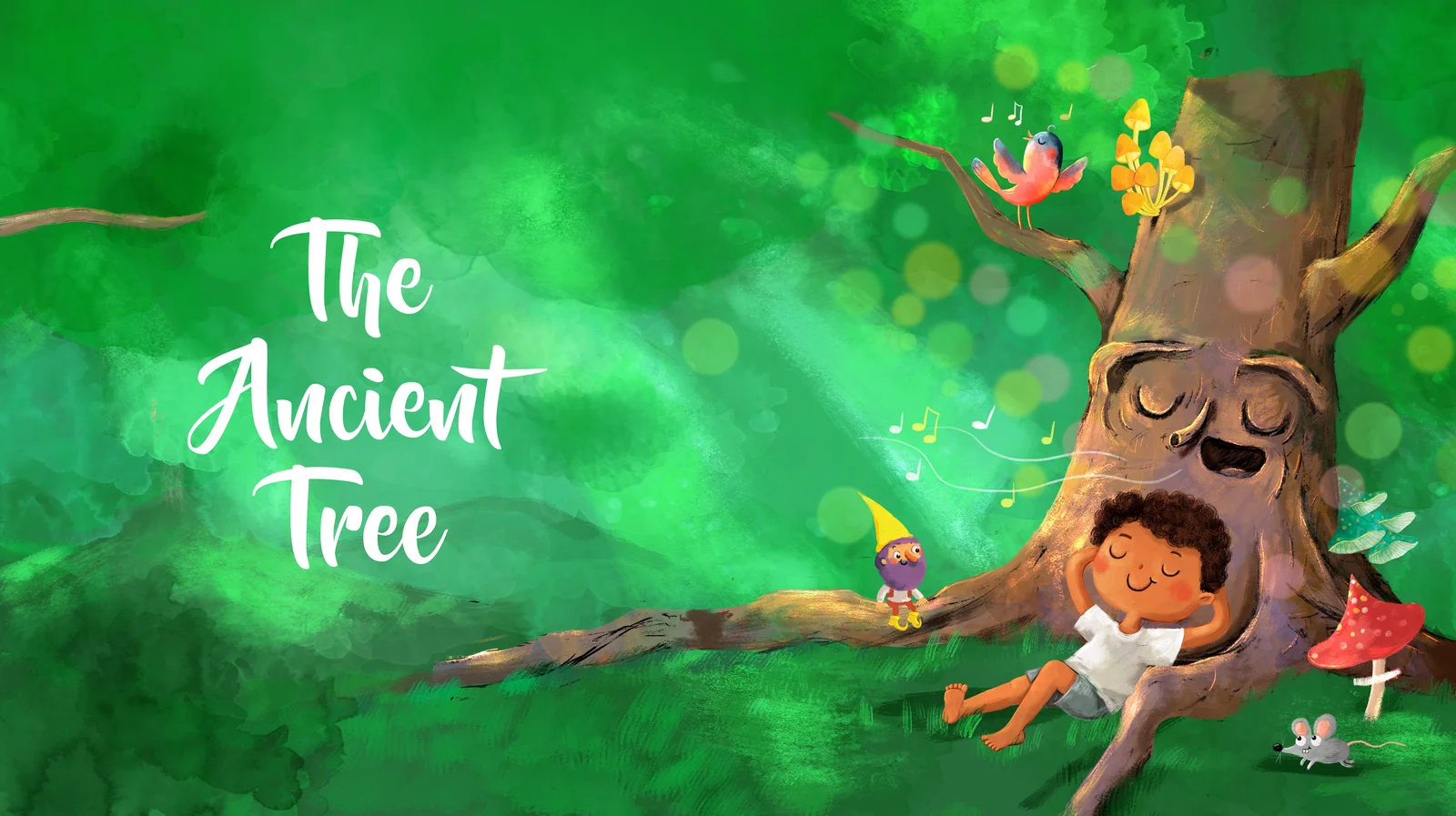
- SatStand like the Ancient Tree 10 mins
- SunAsk: what helped you feel a bit better in the end? 10 mins
We will put each day on your family calendar, starting today, with the matching mission ready to open.
Questions parents ask
How can I help my child bounce back from setbacks?
Stay close while the feeling is big, and resist fixing it straight away. Once things are calmer, help your child notice that the upset passed and they managed. Point out small times they kept going. Children build resilience through lots of ordinary knocks met with steady comfort, not by being protected from every one, so everyday disappointments are where the real learning happens.
Is it normal for my child to fall apart over small things?
Yes, especially when they're young or tired. For a small child, a broken toy or a lost game can feel completely overwhelming, because they don't yet know that feelings end. Treat the feeling as real, even if the cause looks tiny. With time, patience and plenty of sleep and time outdoors, most children find these moments get shorter.
Should I let my child fail?
Within reason, yes. Letting a child struggle with something manageable, like a puzzle, a climb or a game they might lose, gives them the chance to find out they can cope. You're still there, offering comfort and a hand if it's really needed. The aim isn't to make things hard on purpose, just not to smooth away every bump before they meet it.
Wundoria is a set of eight story worlds for children aged 3 to 10, where every story ends with missions to do outside together. Our guides are written to support everyday family life; they are not medical advice. If you are worried about your child, talk to your GP or health visitor.
Play world one free All of inner strength