It happens so fast. Your four-year-old wants the spade, the other child won't let go, and before you can get there there's a smack, a wail, and a horrified look from the other parent across the sandpit. You feel embarrassed and worried and, if you're honest, a bit cross yourself.
Hitting is one of the most upsetting things a young child does, and also one of the most common. It doesn't mean your child is unkind, and it doesn't mean you've gone wrong. It means their feelings moved faster than their words, and they need some help finding another way.
Why hands get there first
Young children hit because hands are quicker than words. When a child is frustrated, scared, overwhelmed or guarding something precious, the emotional part of the brain reacts in an instant, before the thinking part has a chance to step in. Hitting is most common between about one and four, when feelings are enormous and language is still catching up.
It can also be a sign that a child is tired, hungry, overstimulated or struggling with a change at home. And some children hit when they're excited, with no harm meant at all.
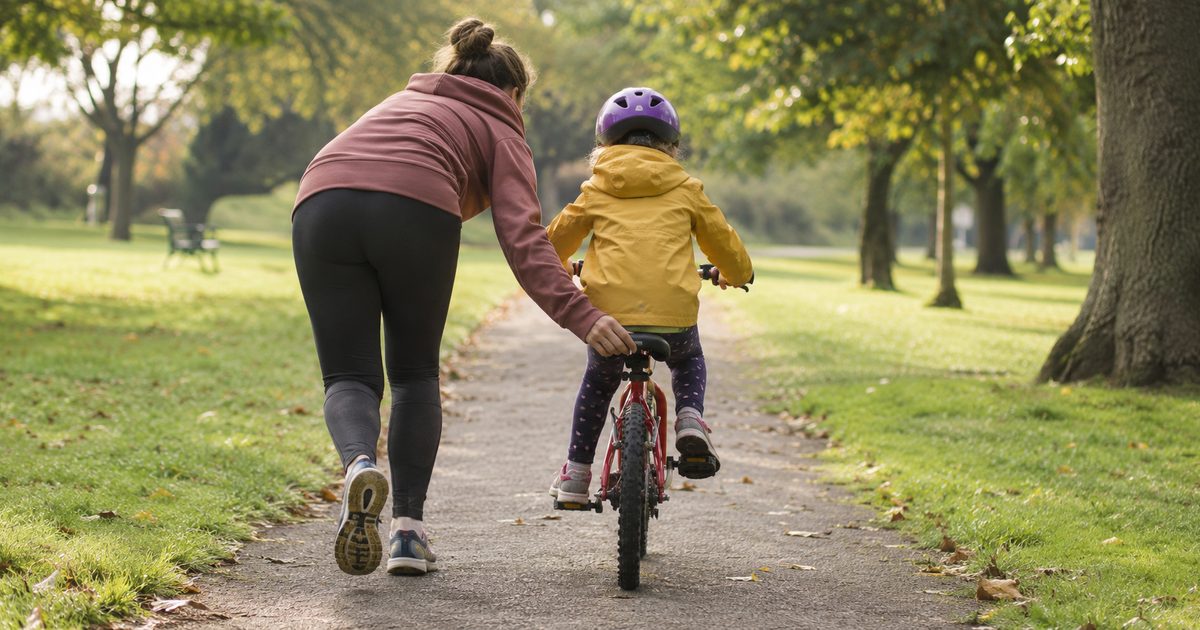
So the job, roughly, is this. Keep everyone safe, stay as calm as you can, teach what to do instead, and give all that big physical energy safe places to go every day, so it's less likely to burst out in a rush.
Where gentle hands lead, years from now
Keeping your hands gentle when you're upset is one of the first big lessons in self-control. A three-year-old who learns to stamp, squeeze a cushion or shout "Stop" instead of hitting grows into a child who can cope with frustration at school, and later an adult who can be angry without being harmful. These early lessons shape how they'll handle conflict for a very long time.
Things that help, before and after the smack
Gentleness is learned partly by practising it, and living things are good teachers. Holding a ladybird on a flat hand, stroking a calm dog once its owner says yes, carefully replanting a seedling: children discover how soft their hands can be. With little ones, try "flat hand, soft touch" with a woodlouse or a snail, then wash hands afterwards. Older children of nine or ten can help care for a pet or a patch of garden.
Big body play matters just as much. Children with lots of physical energy need somewhere to put it, and if they don't get it, it tends to spill out sideways. Climbing, pushing a wheelbarrow, carrying logs, rough and tumble with a grown-up, running up hills. A little of this every day takes the pressure off. Three to five year olds love being told to "push the tree" as hard as they can. Older children might find a sport or active club they enjoy.
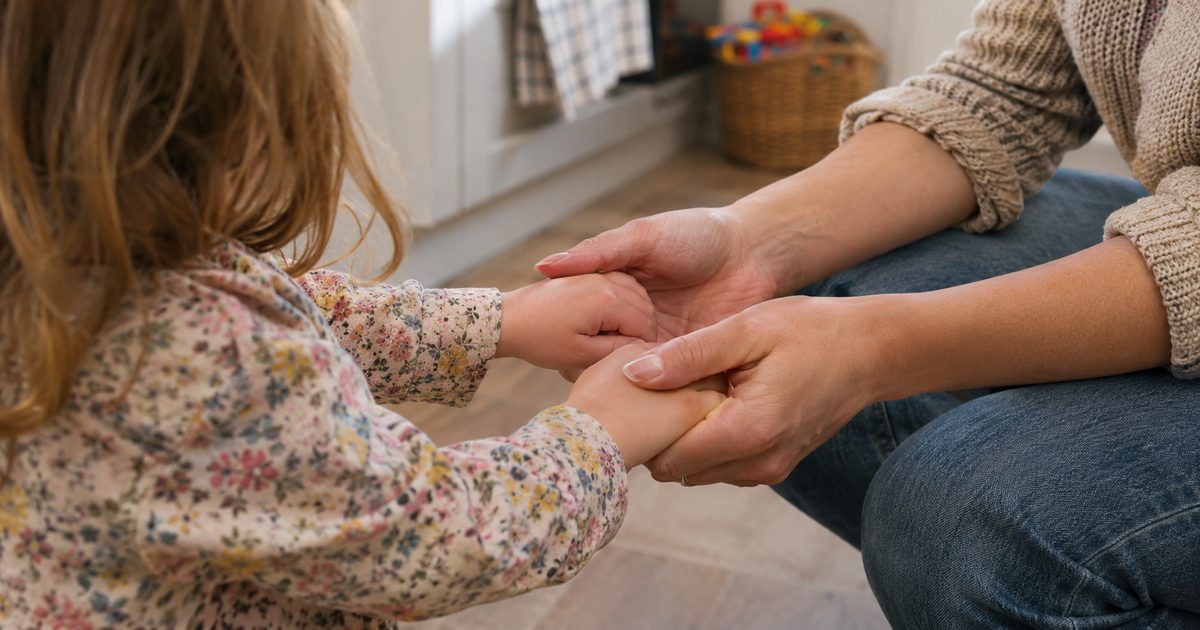
In the moment itself, it helps to have a simple sequence to fall back on: stop, block, teach. Calmly stop the hand and keep everyone safe. Then, once things have settled, something like: "I won't let you hit. You were cross because you wanted the spade. Next time you can say 'My turn' or stamp your feet." Later, in play, practise that alternative together, when nobody is upset. For younger children the alternative might be stamping their feet or squeezing their hands together. Older ones can learn to walk away and come back when they're calm.
It's also worth watching for the pattern, because hitting rarely comes out of nowhere. The end of a long day, a crowded place, one particular friend. Stay close in those moments, step in early with a distraction or a snack, and help your child start to notice their own signals. With little ones that might sound like, "Your hands are getting tight. Let's shake them out." Older children can learn to name their own warning signs.
- Soft touchPractise a flat hand and a soft touch with a ladybird, a snail or a seedling being carefully replanted.
- Big body playClimbing, wheelbarrows, carrying logs and "push the tree" give big physical energy somewhere to go.
- Stop, block, teachCalmly stop the hand, then later name the feeling and teach what to do instead, like saying "My turn."
- Watch the patternNotice when hitting tends to happen, stay close then, and help your child spot their own warning signs.
What you'll need
- A minibeast hunt for flat, gentle hands
- Seedlings to water or carefully replant
- Space for climbing, carrying and running uphill
- A snack on hand for the tricky times of day
Our tips
- Give big bodies big jobs every day, so the energy has somewhere to go.
- Stop the hand calmly, then teach the alternative later, once everyone is settled.
- Watch for the pattern and step in early with a snack or a change of scene.
Words to try
- "I won't let you hit. Hands are for gentle."
- "You were really cross. Let's stamp it out together."
- "Say 'Stop' in your big voice instead."
- Try asking (later): "What could your hands do next time you feel that fizzy feeling?"
When to ask for more help
If hitting is very frequent, continues well past age five, is getting worse, or your child seems to hurt others on purpose without remorse, talk to your health visitor, GP or school. They can help you look at what's driving it.
There will probably be another spade, and another smack, before the new habit takes. Each calm stop, block and teach still counts.
Playbook: one week
For the fridge: one small step a day
- MonMinibeast hunt with flat, gentle hands 15 mins
- TuePractise "Stop" in a big voice through play 10 mins
- WedBig body play: climbing or wheelbarrow 20 mins
- ThuNotice the pattern: when does hitting happen? 0 extra mins
- FriPlant or water seedlings carefully 15 mins
- SatLong run or hill climb outdoors 1 hour
- SunCelebrate gentle-hands moments from the week 10 mins
We will put each day on your family calendar, starting today, with the matching mission ready to open.
Questions parents ask
Is it normal for a 3-year-old to hit other children?
Yes, it's very common, especially between about one and four, when feelings are huge and language is still catching up. Hitting usually means their feelings moved faster than their words, not that they are unkind. Tiredness, hunger, overstimulation or a change at home can make it more likely, so it helps to notice when it tends to happen.
What should I say when my toddler hits another child at the park?
First, calmly stop the hand and make sure everyone is safe. Once your child is calm, keep it short: "I won't let you hit. You were cross because you wanted the spade. Next time you can say 'My turn' or stamp your feet." Practising that alternative later, through play, helps it come more easily next time.
Should I still do rough and tumble play with a child who hits when they're cross?
Yes, big physical play with a grown-up can actually help. Children with lots of energy need safe places to put it, and daily climbing, running up hills, pushing a wheelbarrow or rough and tumble with you gives it somewhere to go. Balance it with gentle moments, such as holding a ladybird on a flat hand, so they learn how soft their hands can be too.
Feelings in this guide
Wundoria is a set of eight story worlds for children aged 3 to 10, where every story ends with missions to do outside together. Our guides are written to support everyday family life; they are not medical advice. If you are worried about your child, talk to your GP or health visitor.
Play world one free How Wundoria works