What are forest schools?
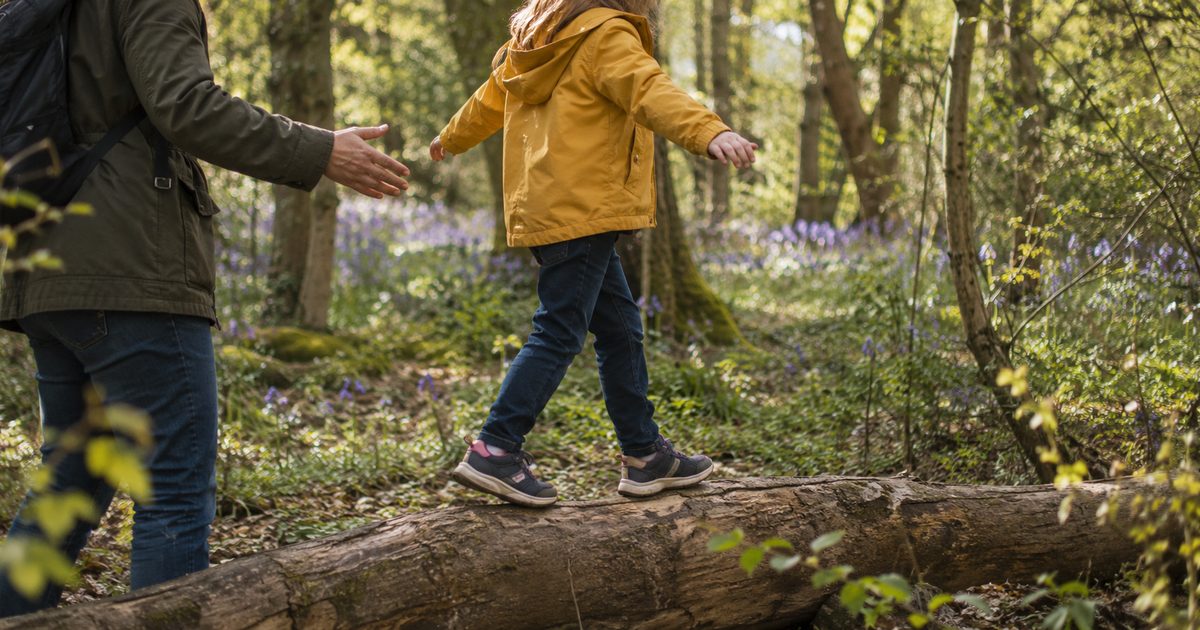
Forest schools are long-term, regular learning sessions in natural settings, where children lead their own exploration through play, supported risk-taking and hands-on experiences. They are child-centred and designed to build confidence, self-esteem and all-round development across the seasons, not one-off trips (Forest School Association).
Good forest school programmes share a few core principles:
- Frequent, regular sessions in the same outdoor space.
- Child-led exploration with supported risk-taking.
- An emphasis on whole-child growth: physical, social, emotional and cognitive.
- Qualified practitioners who plan, observe and adapt sessions over time.
A short history
Modern forest school ideas trace back to Scandinavia in the 1950s, with Denmark often cited as the birthplace of the "forest kindergarten": community-led outdoor childcare that grew into formal programmes and inspired neighbouring countries.
From the 1990s the model spread through the UK, where training pathways and national networks emerged, and later to the US, where fully outdoor early-years programmes followed the German Waldkindergarten tradition.
What the evidence says
- Attention and problem-solving: research highlighted by the UK's Forest School Association points to better attention, problem-solving, mood and learning outcomes when children spend time learning in natural environments.
- Social, emotional and physical growth: UK Forest Research reviews found gains in confidence, independence, language, motivation, stamina, motor skills and respect for the environment among young children attending forest school (Forest Research).
- Character outcomes: the Education Endowment Foundation notes that outdoor adventure learning has positive effects on self-efficacy, motivation and teamwork, though the academic evidence base is still developing (EEF).
- What holds schools back: Natural England's Natural Connections project found the biggest barriers were local, mainly teacher confidence and patchy support. Where schools were supported, low-cost outdoor learning improved behaviour, wellbeing and engagement.
For ages 3 to 8, frequent, playful contact with nature tends to support attention, self-regulation, social skills, resilience and physical confidence: the foundations that make classroom learning easier.
Forest school and the classroom work together
Forest school isn't a rejection of classrooms; it complements them.
Forest schools are brilliant for child-led curiosity, long stretches of deep play, learning to judge risk safely (tools, climbing, the fire circle) and whole-child growth: confidence, cooperation and resilience.
Classrooms are brilliant for step-by-step teaching of reading and numbers, books and specialist resources, and tracking progress.
The best practice blends both: nature for exploring and applying, then back indoors for practice and reflection.
The challenges
- Access: not every school has woods or safe green space nearby, and travel and staffing add cost. Local partnerships help unlock nearby spaces.
- Teacher confidence: the single biggest barrier is confidence in taking learning outside, so training and mentoring matter.
- Academic worries: early gains in self-regulation, language and attention often carry into the classroom, even while the academic research is still growing.
- Keeping it going: building outdoor learning into whole-school planning protects it from becoming a "nice to have".
Bring forest school home
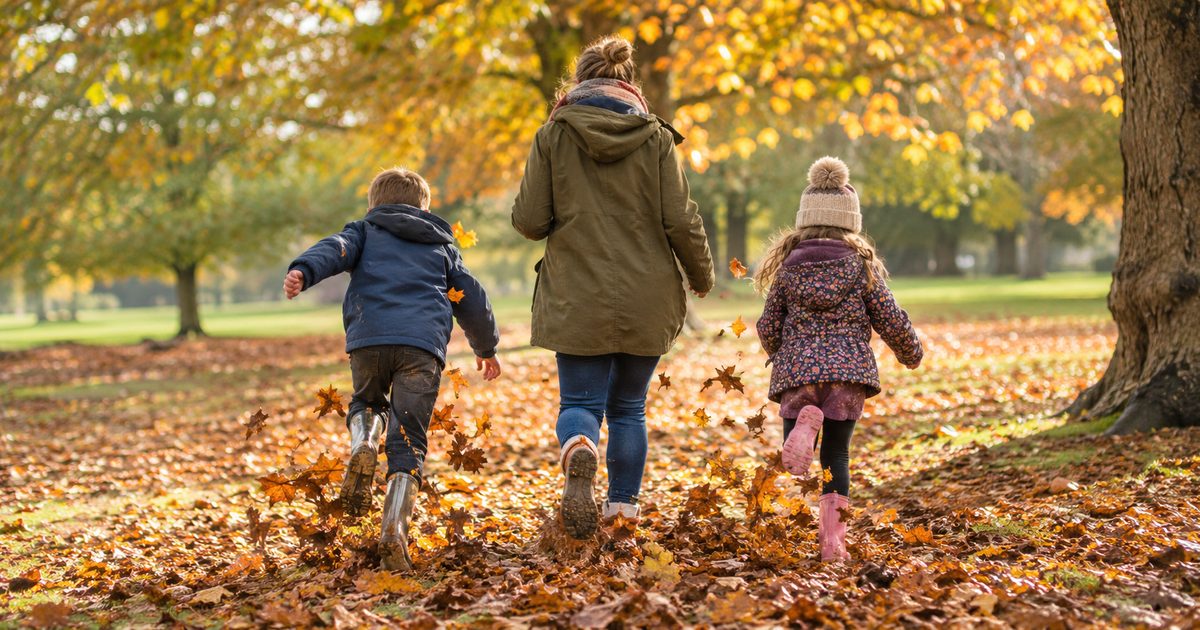
Even if your child's school doesn't run a full forest school, you can weave outdoor-classroom moments into daily life.
Ideas for schools: a weekly ten-minute sit spot to observe, sketch and share; a gardening club with quick-win crops like radishes and herbs; maths and literacy outdoors (tally birds, measure sticks, phonics treasure hunts); safe tool skills such as peeling sticks or building mini-shelters.
Ideas for families: an after-school colour hunt (five greens, three browns, one yellow); a weekend micro-adventure round the local park with a nature notebook; a bedtime nature story with slow "moon breathing" (in for four, out for six).
- A sit spotSpend ten quiet minutes each week in one outdoor spot to watch, sketch and share what you see.
- A colour huntOn the way home from school, look for five greens, three browns and one yellow.
- A micro-adventureAt the weekend, take a nature notebook on a small adventure round your local park.
- Moon breathingClose the day with a nature story and slow moon breathing: in for four, out for six.

Watching Squirrel, the quiet observerIn the stories, Watching Squirrel simply sits and notices, even in the busiest world of all, and noticing is a lovely superpower to borrow at a sit spot. Meet Watching Squirrel
Questions parents ask
What age is forest school best for?
The early years (3 to 8) benefit hugely from play-rich, sensory learning, but the approach works right across primary with age-appropriate tasks.
Is forest school safe?
Yes. Programmes follow careful risk-benefit assessments and are led by trained practitioners. Supported risk builds real-world safety skills.
Will outdoor time take away from academics?
The evidence suggests outdoor learning supports confidence, motivation and teamwork, and sits well alongside reading and numbers.
We live in a city. Does this still work?
Absolutely. Schools use courtyards, rooftops and nearby parks; families can use balconies, window views and a favourite street tree.
Feelings in this guide
Wundoria is a set of eight story worlds for children aged 3 to 10, where every story ends with missions to do outside together. Our guides are written to support everyday family life; they are not medical advice. If you are worried about your child, talk to your GP or health visitor.
Play world one free How Wundoria works