Why digital balance matters for young children
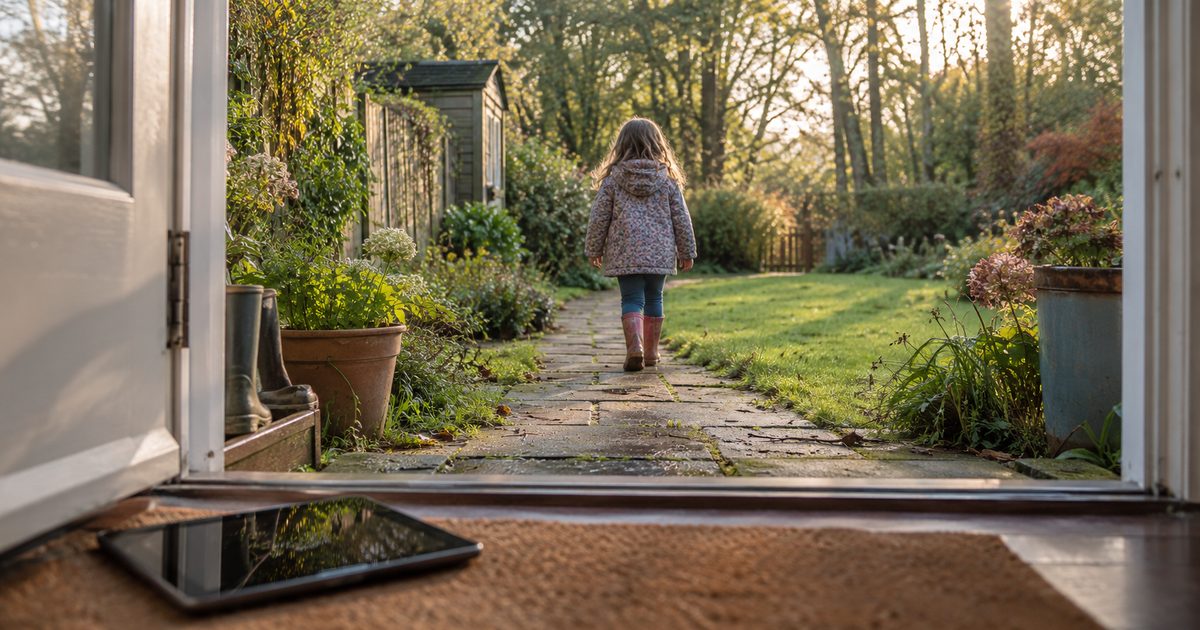
Screens are part of family life, and they are not the enemy. But for three to eight year olds, rising media use can crowd out the play, sleep and outdoor exploration that young brains and bodies need. When we rebalance towards nature, children tend to:
- regulate their emotions more easily (rhythm and fresh air)
- sleep better (daylight and predictable wind-downs)
- build attention and curiosity (unstructured play)
- gain confidence and resilience (real-world problem-solving)
The goal isn't zero screens. It's right-sized screens and daily nature.
What the guidance says
- The American Academy of Pediatrics recommends a family media plan rather than one fixed limit for every child, setting where, when and how screens are used (AAP Family Media Plan).
- UK and WHO guidance says under-fives should be active for at least 180 minutes spread across the day, and children aged 5 to 17 should average 60 minutes of moderate to vigorous activity a day. Outdoor time makes both far easier to reach.
- In UK surveys, most children say they want more time in nature, yet many families reach green space once a week or less.
Screens are abundant and convenient; nature is wanted but not always easy to reach. Families do best with small, intentional swaps that fit real life.
Practical swaps: screen minutes for nature minutes
Use the rule of small wins: trade 15 to 20 minutes of passive screen time for sensory nature minutes your child enjoys.
- Morning: swap cartoons for sunlight and steps. Water a plant, watch the clouds from the balcony, listen for three morning sounds.
- After school: swap gaming for a snack and a scavenger hunt. Find three greens, two browns and one yellow on the way home.
- Before dinner: swap videos for a kitchen nature helper. Sniff the herbs (mint or basil?), wash the vegetables.
- Bedtime: swap the last show for a nature story and slow "moon breathing", in for four and out for six.
Keep a small nature bag by the door: notebook, crayons, magnifier, wipes and plasters.
- MorningSwap cartoons for sunlight: water a plant, watch the clouds or listen for three morning sounds.
- After schoolSwap gaming for a snack and a colour hunt on the way home: three greens, two browns, one yellow.
- Before dinnerSwap videos for helping in the kitchen: sniff the mint or basil and wash the vegetables together.
- BedtimeSwap the last show for a nature story and slow moon breathing, in for four and out for six.
Five-minute "digital disconnect" ideas
- Window sit spot: notice three sights, two sounds and one smell.
- Barefoot steps: twenty slow steps on a safe surface (a balcony mat counts).
- Sky breaths: trace a cloud with your finger as you breathe in; breathe out to finish the shape.
- Leaf rubbing: crayon over a leaf to reveal its veins.
- Gratitude pebble: whisper a thank-you and place it by a plant.
- Rain listening: lights off, listen to the rain and map the sounds with your fingers.
No garden? No problem
- Balcony nature trays: pebbles, sand and soil, swapped weekly.
- Window journal: sketch the same view every day and watch it change.
- Adopt a street tree: visit weekly and take photos of its bark through the seasons.
- Moon journal: curtains open, lights off, draw the moon's shape.
- Herb ladder: hanging pockets of basil and mint at a safe height.
Boundaries that stick
- Nature before screens at weekends, even for fifteen minutes.
- No devices at meals; share a "rose, bud and thorn" instead.
- Screens off an hour before bed; move to stories and quiet play.
- Watch together when you can, and talk about what you see.
- Give devices a home: a charging spot outside bedrooms.
A seven-day "disconnect to reconnect" challenge
| Day | Practice | Time |
|---|---|---|
| 1 | Morning sun steps: walk outside and name three things that shine | 10 mins |
| 2 | Colour hunt on the school run: six colours in nature | 15 mins |
| 3 | Herb helper: rinse, smell and describe with silly words | 10 mins |
| 4 | Sky stories: lie on a blanket and make up a cloud story | 10 mins |
| 5 | Sound map: eyes closed, point to each sound and draw it | 10 mins |
| 6 | Mini trail: a park loop led by a "nature friend" stick or leaf | 20 mins |
| 7 | Moon and poem: a short nature poem and moon breathing | 10 mins |
Keep a nature log with one line a day. Small habits become family culture.
Questions parents ask
How much screen time is okay for three to eight year olds?
There's no universal number. Make a family media plan, protect sleep, learning and active play, and aim for daily time outdoors.
We're too busy. Where do we start?
Swap one fifteen-minute screen block for one nature ritual, like a colour hunt or sky breaths. Consistency beats perfection.
My child melts down when screens go off. What helps?
Give warnings (five minutes, then one), offer a concrete next step ("let's go and see our tree"), and stay calm and close while the feeling passes.
How will I know it's working?
Look for softer transitions, easier bedtimes and more curiosity.
Feelings in this guide
Wundoria is a set of eight story worlds for children aged 3 to 10, where every story ends with missions to do outside together. Our guides are written to support everyday family life; they are not medical advice. If you are worried about your child, talk to your GP or health visitor.
Play world one free How Wundoria works