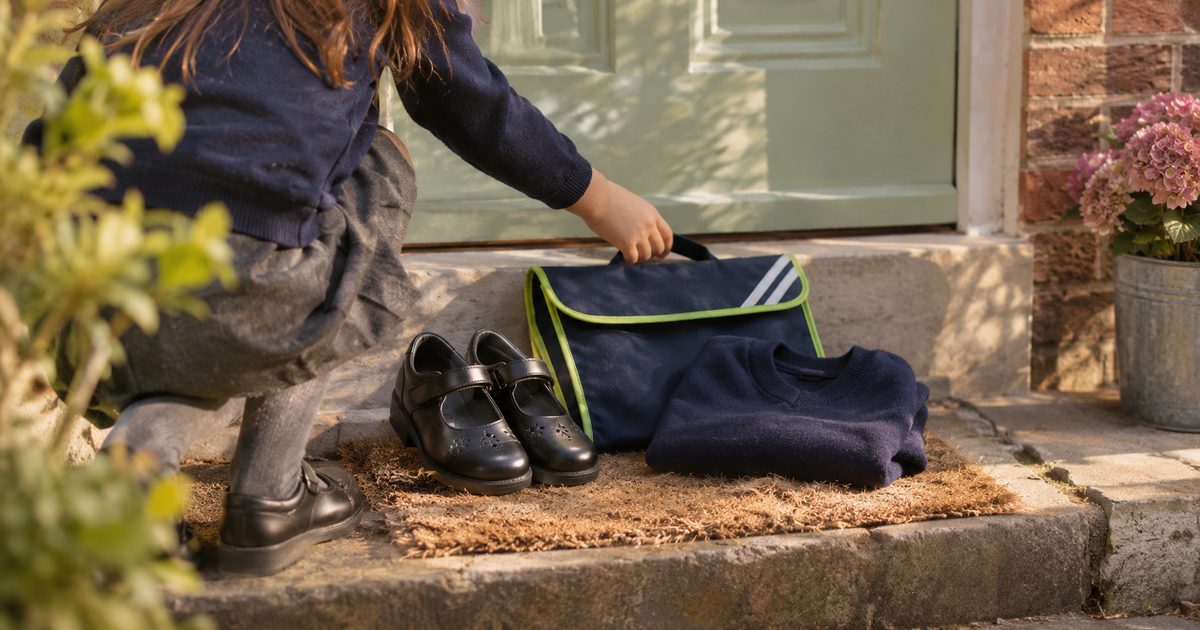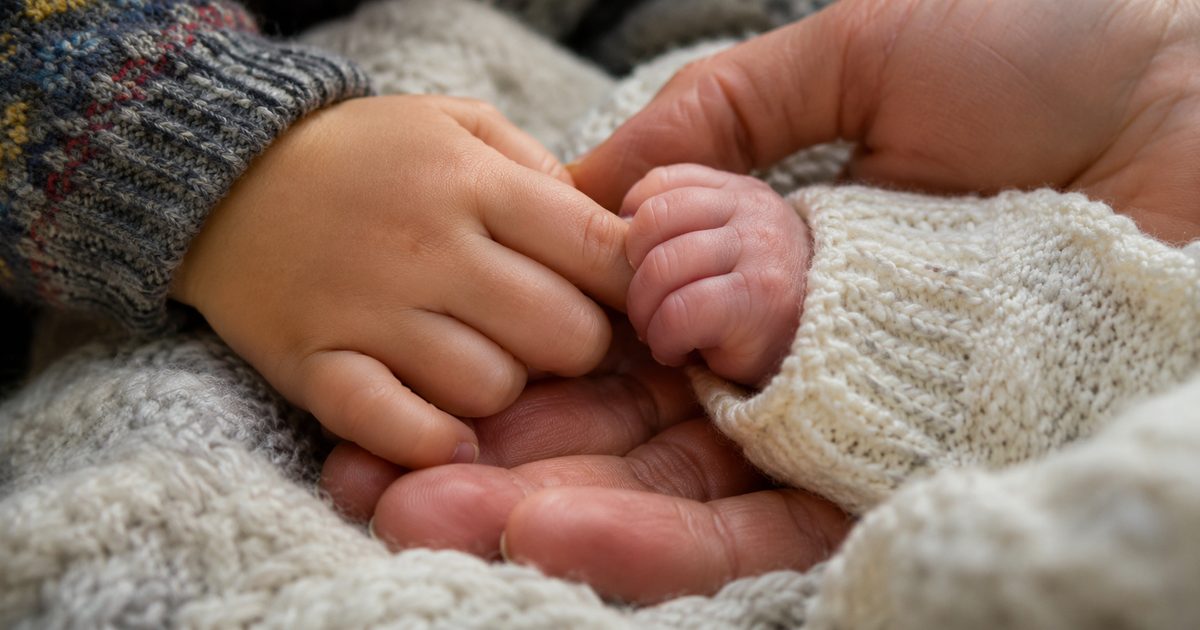
You pictured it so clearly: your firstborn leaning over the moses basket, gazing at the new baby with love. What you've got instead is a child who has started waking in the night, who wants a bottle again, and who announced over breakfast that the baby should "go back to the hospital now". Meanwhile you're running on very little sleep, feeling guilty, and pulled in two directions at once.
This is one of the biggest changes in a young child's world, and their feelings, however prickly, make complete sense. With a bit of preparation and a lot of reassurance, big brothers and sisters can find their new place and know they're just as loved as before.
A rival for the most important thing
To a young child, a new baby can feel like competition for the thing that matters most in their life: you. Sibling jealousy is normal, and nursery practitioners are advised to expect and support it (NDNA). It often shows up as clinginess, tantrums, regression (wanting a dummy, toilet accidents, baby talk) or pushing boundaries to check they're still noticed.
NHS psychology guidance suggests avoiding too many other big changes at the same time as a new arrival, such as starting playgroup or moving house, where possible (Aneurin Bevan NHS).
So the heart of it is this. Prepare your child for what life with a baby is really like, protect their routines and their special time with you, and give them a real role, so they feel part of the family's growing story rather than pushed to the edge of it.
Love that multiplies
How a child is helped through the arrival of a sibling shapes how they feel about change, sharing and belonging. A child who feels secure and valued through all this upheaval learns that love doesn't divide; it multiplies. That sits underneath healthy sibling bonds and a steady sense of self for years to come.
Making room for the older one
Plant something for the baby. Before or after the birth, plant a tree, a bulb or a flower together. Your older child can water it and look after it, and watch it grow alongside their brother or sister. It becomes a living sign of the family growing, with them right at its heart. With three to five year olds, a bulb in a pot that you water together is plenty. Nine and ten year olds might choose and plant a tree they help care for over the years.
Guard a little time that's just theirs. A short, regular slot of one-to-one time with your older child: a walk to the park, a story under a tree, splashing in puddles while someone else holds the baby. Even ten minutes a day tells them they still matter enormously. Little ones can choose the play for those ten minutes; older children often love a weekly "just us" outing.
Keep their days looking familiar. Hold on to the rhythms they know: the bedtime story, the walk to nursery, Saturday at the park. When so much has changed, predictability is a comfort. For the youngest, that might mean keeping exactly the same bedtime steps. For nine and ten year olds, it means keeping their clubs and activities going, even when getting there is a juggle.
And give them a proper job. Choosing the baby's outfit, singing to the baby, fetching nappies, pushing the pram (with help). Being a helper feels very different from being replaced. A small child might love being asked "can you choose which song we sing to the baby?" Older children could be the ones who teach the baby about the garden as it grows.
- Plant for the babyPlant a bulb, flower or tree together that your older child waters and watches grow.
- Just-us timeGuard a short, regular slot of one-to-one time, even ten minutes a day, to show they still matter.
- Familiar daysHold on to the rhythms they know, like the bedtime story and Saturday at the park.
- A proper jobLet them choose the baby's song or help push the pram, so they feel like a helper, not replaced.
What you'll need
- A bulb, flower or small tree to plant
- A pot or a corner of the garden
- Ten minutes a day of just-us time
- A small helper job for busy baby moments
Our tips
- Ask a helper to hold the baby now and then, so your older child gets you to themselves.
- Hold on to the bedtime story and the weekend park trip, whatever else changes.
- Let them see their own baby photos, so they know they were cherished just the same.
Words to try
A few things worth saying, more than once:
- "You'll always be my first baby. I have enough love for both of you."
- "It's OK to feel cross about the baby sometimes."
- "The baby loves watching you. You're their hero."
- Try asking: "What will you show the baby in the garden first?"
When to ask for more help
If your older child's distress is intense or lasts many months, if they try to hurt the baby, or you're feeling overwhelmed yourself, talk to your health visitor. They support whole families, not just babies.
Playbook: one week
For the fridge: one small step a day
- MonPlant something for the baby 20 mins
- TueTen minutes of special big-sibling time 10 mins
- WedGive a real helper job 0 extra mins
- ThuWater the baby's plant together 5 mins
- FriLook at your older child's baby photos 15 mins
- SatBig-sibling outing, just the two of you 1 hour
- SunFamily walk with the pram, older child as guide 30 mins
We will put each day on your family calendar, starting today, with the matching mission ready to open.
Questions parents ask
Why is my 3-year-old acting like a baby again since their sibling was born?
Wanting a bottle or dummy, toilet accidents and baby talk are common ways young children show jealousy and worry when a new baby arrives. To them, the baby can feel like a rival for you. Keeping their familiar routines steady and protecting a little one-to-one time each day reassures them that they still matter enormously.
How can I find time for my older child when I have a newborn?
Even ten minutes a day of special one-to-one time tells your older child they are still deeply loved. Let them choose what you do, whether that is a story under a tree, a walk to the park or splashing in puddles. For older children, a weekly "just us" outing can become something they look forward to.
What can I do if my toddler says they don't like the new baby?
Stay calm and let them know it is OK to feel cross about the baby sometimes, as these feelings are normal. Giving them a real helper role, like choosing the baby's song or fetching nappies, helps them feel part of the family rather than replaced. If their distress is intense or lasts many months, your health visitor can support the whole family.
Feelings in this guide
Wundoria is a set of eight story worlds for children aged 3 to 10, where every story ends with missions to do outside together. Our guides are written to support everyday family life; they are not medical advice. If you are worried about your child, talk to your GP or health visitor.
Play world one free How Wundoria works