At pick-up the teacher smiles at you. "Lovely day. So helpful. A real star." Twenty minutes later your star is lying on the hall floor screaming because the toast has been cut into the wrong shape, and you find yourself wondering whether the teacher was describing someone else's child.
She wasn't. Your child held it together for six hours in a busy room full of rules, noise and other people's expectations. Home is the place they finally feel safe enough to let it all go. It doesn't feel like it while the toast is flying, but there's a quiet compliment to you in that.
Six hours of holding it in
School asks a lot of young brains. Sit still. Follow the instructions. Manage the friendships. Swallow the frustration. Need the toilet at the right time. All of that self-control uses up energy, and by home time the tank is empty. The smallest thing tips them over.
Parent coaches see this pattern often. On Action for Children's Parent Talk service, one parent described a child who was "an angel" at school and very challenging at home, and the coach explained that children often follow rules and manage emotions all day, then let it all go at home (Action for Children).
Then add hunger, tiredness and the sudden lurch from school mode into home mode. Seen like that, what helps becomes fairly clear: fill the body back up, turn the noise down, and wait before asking anything of them.
Learning to land softly
Every grown-up knows the feeling of a long day that needs a soft landing. Some of us find it in a cup of tea, some in ten minutes in the car before we go in. Children who learn a way of coming down early on (a snack, some quiet, fresh air, and only then the talking) grow into teenagers who know how to unwind after a hard day, rather than snapping at the people they love most. In a small way, you're teaching them how to look after their own nervous system.
A gentler way through the afternoon
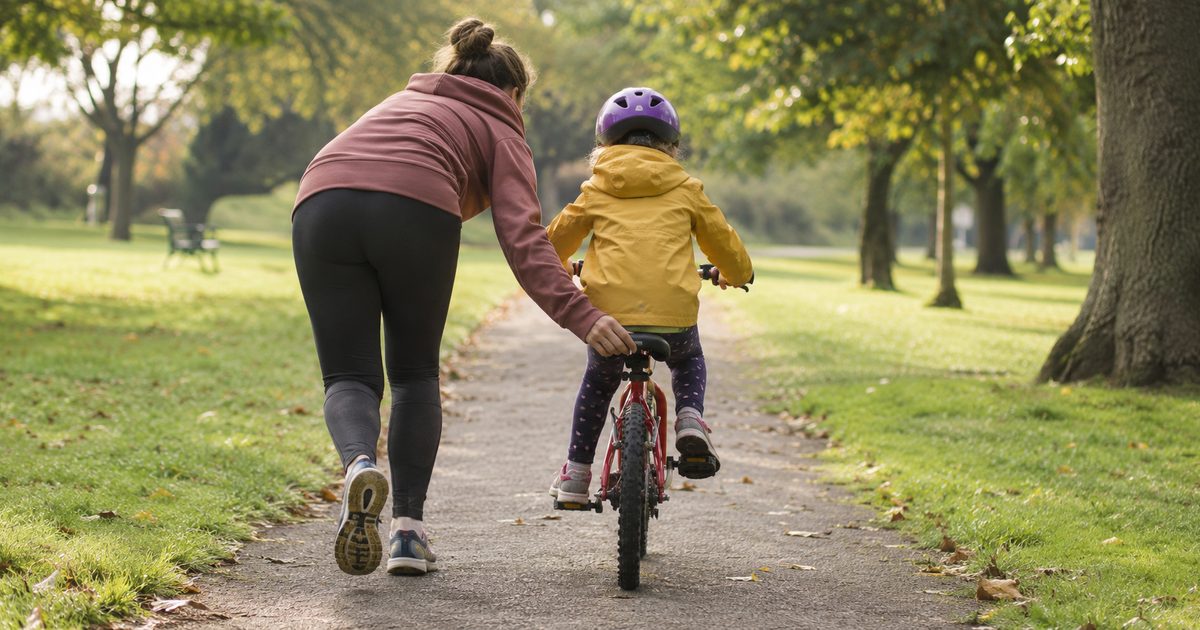
Find somewhere green on the way home. Even ten minutes in a park, on a bench under a tree or along a quiet tree-lined street helps the body change gear. Let them run, swing, or just sit and stare. Movement and green space give the day's tension somewhere to go before it reaches your front door. For a little one, five minutes on the swings can be enough. Older children, nine or ten, might like walking home the long, leafy way.
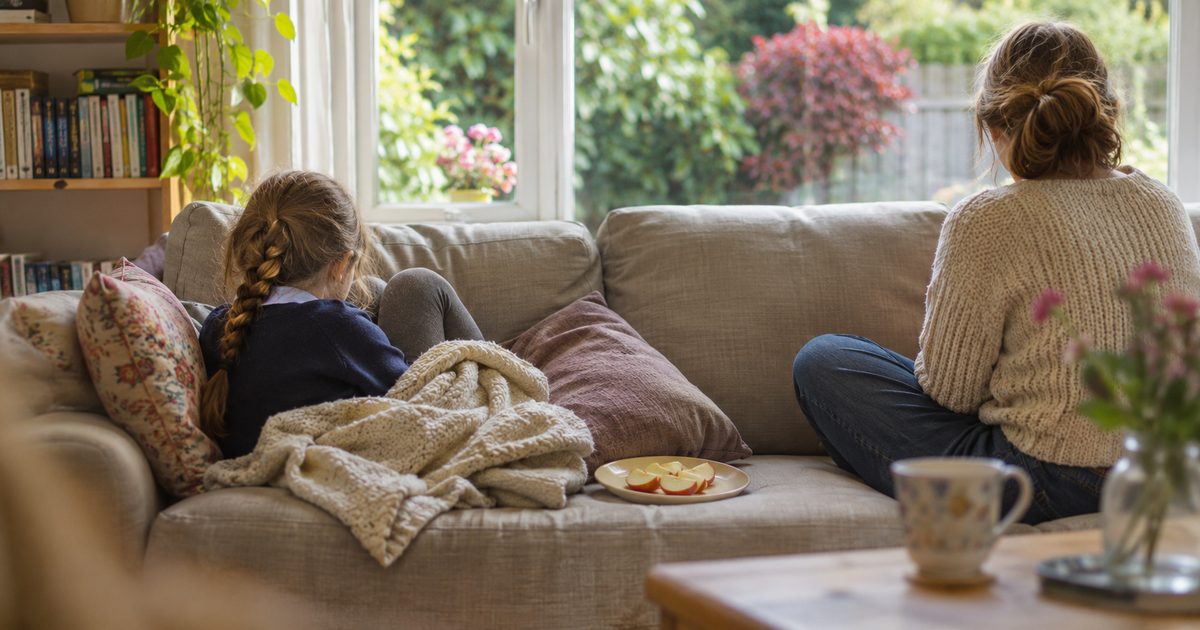
Feed them first and save the questions. Have a filling snack waiting at pick-up: fruit, crackers, cheese, a sandwich. A surprising number of after-school storms turn out to be a hungry tummy. "How was your day?" can wait until they've eaten and rested. Younger children can have their snack in the buggy or the car; older ones often like choosing from a few healthy options themselves.
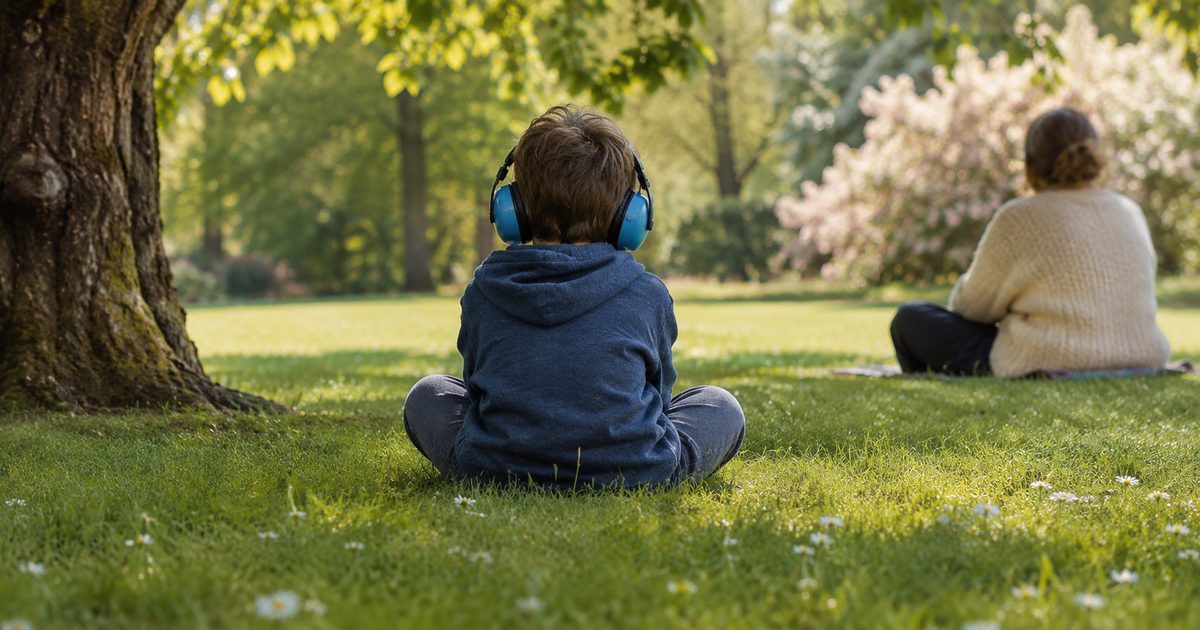
Let quiet come before busy. Twenty or thirty minutes of calm after school makes a real difference: drawing, building, a book, lying on the grass looking at the sky. Where you can, keep screens, clubs and homework for after that reset. With small children, a cosy den with soft toys works well. Older ones will usually have opinions about their own quiet activity, so let them choose.
Then do the talking at bedtime rather than at the gate. Children often tell us more when they're relaxed, the light is low and you're side by side instead of face to face. Try "Tell me one happy thing and one tricky thing about today." Little ones can manage a happy thing and a sad thing. Older children sometimes like rose, thorn and bud: the best bit, the hard bit, and something they're looking forward to.
- Green on the wayStop at a park, a bench under a tree or a leafy street so the day's tension has somewhere to go.
- Snack firstHave a filling snack waiting at pick-up and let "How was your day?" wait until they have eaten.
- Quiet before busyGive twenty or thirty calm minutes of drawing, building or lying on the grass before anything else.
- Talk at bedtimeSave the chat for low light, side by side: one happy thing and one tricky thing about today.

The Ancient Tree, the wisdom keeperIn the stories, the Ancient Tree teaches that rest is not laziness: it is how you fill up your well, sitting still under his branches. Meet The Ancient Tree
What you'll need
- A filling snack waiting at pick-up
- A park, bench or leafy street on the way home
- Twenty to thirty quiet minutes after school
- A few calm minutes at bedtime to chat
Our tips
- Fill the tummy before you ask a single question about their day.
- Keep screens, clubs and homework until after the quiet reset.
- A meltdown at home often means they feel safe with you, so stay close and calm.
Words to try
- "You've had a long day. Let's get some fresh air first."
- "You don't need to tell me anything right now."
- "I can see it's all spilling out. I'm here."
- Try asking (later): "Was there a moment today when you had to be really brave?"
When to ask for more help
If the after-school meltdowns are getting worse, your child seems very anxious about school, or they're struggling with friendships or learning, have a calm chat with their teacher or the school's SENCO. Sometimes small changes in class make a big difference at home.
Playbook: one week
For the fridge: one small step a day
- MonPack a filling pick-up snack 5 mins
- TuePark stop on the way home 10 mins
- Wed30 minutes of quiet time before anything else 30 mins
- ThuHappy thing, tricky thing at bedtime 10 mins
- FriLong leafy route home 15 mins
- SatSlow morning outdoors, no plans 1 hour
- SunPlan next week's after-school rhythm together 10 mins
We will put each day on your family calendar, starting today, with the matching mission ready to open.
Questions parents ask
Why is my child well behaved at school but has meltdowns as soon as they get home?
It usually means your child has used up their self-control holding it together all day, and home is where they feel safe enough to let go. School asks a lot of young brains: sitting still, following rules, managing friendships. A filling snack, some fresh air and quiet time before any questions or demands often softens the landing.
Why won't my 6-year-old tell me anything about their day when I pick them up?
Many children simply have nothing left to give at the school gate, so questions can feel like one more demand. Try saying "You don't need to tell me anything right now," then offer a snack and some calm. Children often open up later, when they're relaxed and side by side, such as at bedtime with the light low.
Should homework and after-school clubs wait until my child has had time to calm down?
Where you can, yes. A reset of 20 to 30 minutes, with a snack, some movement outdoors and a quiet activity, helps your child shift out of school mode before anything else is asked of them. If a club falls straight after school, even a few minutes on the swings or a bench under a tree on the way can help.
Feelings in this guide
Wundoria is a set of eight story worlds for children aged 3 to 10, where every story ends with missions to do outside together. Our guides are written to support everyday family life; they are not medical advice. If you are worried about your child, talk to your GP or health visitor.
Play world one free How Wundoria works