It's the school assembly and your child has one line to say. They step forward, open their mouth, and nothing comes. A few children giggle. Your child's face goes red, then their eyes fill, and they spend the rest of the assembly staring at their shoes. On the way home they say they're never going back.
Embarrassment is the hot, prickly feeling of being seen at a moment you didn't choose. It makes children want to hide, run, or vanish into the floor. It feels huge from the inside, even when nobody else remembers it by teatime. It isn't a flaw. It's a sign your child is growing aware of other people and how they see them.
How embarrassment shows up
At 3 to 5, embarrassment often looks like hiding. Faces pressed into your legs, hands over eyes, a sudden sulk, or silly behaviour to cover up. Little ones may get embarrassed when grown-ups laugh at something they said seriously, even when the laughter was fond.
From 6 to 10, it gets more powerful, because children become much more aware of their friends' eyes. It might show as anger ("stop looking at me"), refusing to try something new, or not wanting you to wave at the school gate. Some children hide embarrassment by clowning, so that people laugh at the joke instead of at them. It can sit very close to nerves, and to shyness, which the guide on shy children explores more fully.
Why it burns so hot
Somewhere around the early school years, children start to see themselves from the outside. It's a big step in growing up, and it comes with a new kind of discomfort. Suddenly they can imagine what others are thinking, and they often imagine the worst.
Children also don't yet know that everyone has these moments. To them, a fall in the playground or a wrong answer feels unique and permanent. They can't yet see that it will be forgotten by next week, or that the other children are mostly busy worrying about themselves.
When the hot cheeks come
Above all, don't add to it. This means no teasing, even gently, and no retelling the story to others while your child is in earshot. Many parents laugh out of affection or nerves, and children feel that as being laughed at.
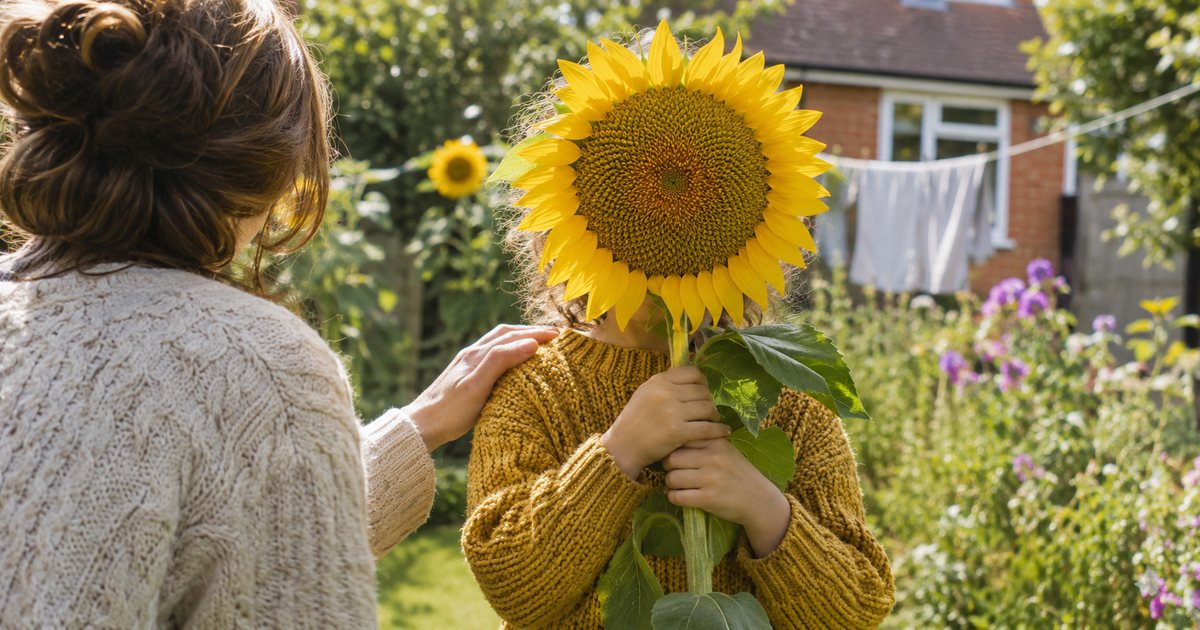
Give them somewhere to recover. If you're out, a quiet step to the side helps more than a talk. A hand on the shoulder, a calm face. You might say very little: "That felt awful, didn't it. You're alright." Let their body settle before anything else.
Later, when they're calm, it can help to make the moment smaller. Not by saying it didn't matter, because to them it did, but by putting it in a bigger frame. "Everyone has moments like that. Even grown-ups." If you have a gentle, everyday example of something that happens to people all the time, like tripping on a step, it can help a child see they aren't the only one.
- Don't add to itNo teasing and no retelling the story while your child can hear, even fondly.
- Step asideFind a quiet spot nearby where they can recover away from other eyes.
- Let it settleSay very little and breathe slowly together until their body calms down.
- Make it smallerLater, gently remind them that moments like that happen to everyone.
Feeling at home in yourself
Children who feel at ease in their own bodies tend to bounce back faster from embarrassment. Outdoor play, especially the messy, unglamorous kind, helps. Puddle jumping, rolling down a grassy slope, getting properly muddy. When getting things a bit wrong and looking a bit silly is just part of the fun, the stakes come down.
Try a "nobody's watching" walk now and then: somewhere quiet, a wood or a field, where your child can sing loudly, dance badly or talk to the trees without an audience. Join in, and be gloriously un-cool yourself. Children learn that being seen being silly is safe when the grown-up they love does it first.
What you'll need
- A quiet spot to step aside
- Wellies for puddle jumping
- A grassy slope to roll down
- A quiet wood or field, nobody watching
Our tips
- No teasing and no retelling, even fondly, while they can hear.
- Say very little. Let their body settle first.
- Be gloriously un-cool yourself. It shows them silly is safe.
For the fridge: one small step a day
- MonFind a quiet corner to just breathe
- TueJump in the biggest puddles you can find
- WedShare a time you tripped on a step
- ThuRoll down a grassy slope together
- FriGet properly muddy, on purpose
- SatNobody's watching walk: sing loudly
- SunAsk: what made you laugh this week?
Words to try
- "That felt really awful. You're alright now."
- "Everyone has moments like that."
- "I'm not laughing. I'm right here."
- "Your cheeks will cool down. Let's breathe."
- Try asking (afterwards): "What would help next time something wobbly happens?"
When to ask for more help
Have a word with your GP, health visitor or school if embarrassment stops your child doing everyday things over several weeks, such as speaking in class, eating in front of others or going to school at all. The same applies if they seem very anxious about being looked at, or start saying harsh things about themselves after small slips.
A week to try
For the fridge: one small step a day
- MonNobody's watching walk: sing loudly, dance badly 15 mins
- TueNo teasing and no retelling, all week 0 extra mins
- WedPuddle jumping in proper gear 20 mins
- ThuShare a small everyday slip of your own 5 mins
- FriPractise one small hello 10 mins
- SatMessy art you leave for the wind 30 mins
- SunAsk: what would help next time something wobbly happens? 10 mins
We will put each day on your family calendar, starting today, with the matching mission ready to open.
Questions parents ask
Why does my child get so embarrassed?
Usually because they're growing up. As children start to see themselves through other people's eyes, embarrassment arrives with it, and some feel it more strongly than others. It tends to peak in the early school years. Stay calm, never tease, and help them see that slips happen to everyone. Most children grow steadier with time and plenty of kind experience.
Why is my child embarrassed by me?
It's a very normal part of growing up, and it isn't about love. As children become aware of their friends' opinions, they start noticing that their parents are visible too. Try not to take it personally. Respect small requests, like a quieter goodbye at the gate, while keeping your warmth at home exactly the same.
Should I make my child apologise if they get silly when embarrassed?
Not in the moment. A child who is flooded with embarrassment can't think clearly, and being made to apologise in front of others can add to the feeling. Wait until they're calm and you're on your own. Then talk gently about what happened, and help them make it right in a way that doesn't feel like a punishment.
Wundoria is a set of eight story worlds for children aged 3 to 10, where every story ends with missions to do outside together. Our guides are written to support everyday family life; they are not medical advice. If you are worried about your child, talk to your GP or health visitor.
Play world one free All of feelings