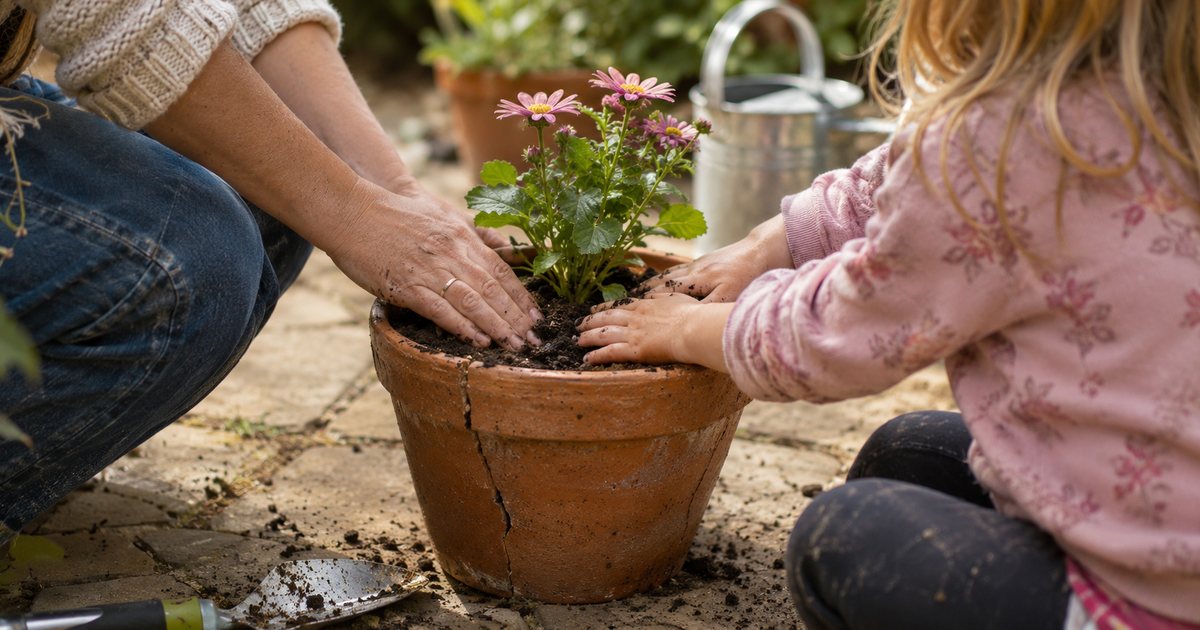
You find the broken plant pot behind the shed, soil spilled everywhere. When you ask, your child's face crumples before they say a word. They look at the floor, then whisper, "I didn't mean to." Later, at bedtime, they bring it up again. They're still carrying it.
Guilt is the heavy feeling that comes after doing something we wish we hadn't. In small doses it's a good feeling, if an uncomfortable one. It shows that a child knows what matters and cares about the people around them. What children need is help to carry it lightly, put it right, and then set it down.
How guilt shows up
At 3 to 5, guilt is often mixed up with worry about being in trouble. A little one might hide, say it wasn't them, or burst into tears before anyone has said a thing. Some young children over-apologise, saying sorry again and again, because they don't yet know how to make it feel finished.
From 6 to 10, guilt can go quieter and last longer. A child might be unusually helpful after a mistake, avoid your eyes, or seem low without saying why. Some children turn it inward and say things like "I'm bad" or "I always ruin everything." That's the moment guilt is tipping into shame, and it needs gentle care. Guilt can also lead to fibbing, because hiding a mistake feels safer than facing it, which the guide on why children lie explores.
Why it weighs so much
Healthy guilt says "I did something wrong." Shame says "I am something wrong." Young children find that difference hard to see. They're still learning that a mistake is an action, not who they are, and they rely on the grown-ups around them to show it.
Children also feel guilt about things that aren't theirs to carry: a parent's tiredness, an argument they overheard, a sibling being told off. Their sense of cause and effect is still growing, and sometimes they put themselves at the centre of things they couldn't have changed.
When your child feels bad about something
Start by separating the child from the deed. Stay warm. "You knocked the pot over. That happens. I still love you just the same." Your calm tells them that their mistake hasn't changed how you see them.
Let them know the feeling makes sense. "You feel bad because you care. That's a good thing about you." This helps a child see guilt as useful rather than frightening.
Then help them make it right, in a way that fits their age. Sweeping up soil, drawing a sorry card, helping repot the plant. Repair is what turns guilt from a heavy stone into something a child can put down. And once it's done, let it be done. Don't bring it up again later. If they do, a simple "that's all sorted now" lets them rest.
If the guilt is about something that isn't theirs, gently lift it from them: "That wasn't your doing. Grown-up things are for grown-ups to sort."
- Child, not deedStay warm and make it clear the mistake hasn't changed how much you love them.
- Name the careTell them the bad feeling shows they care, which is a good thing about them.
- Put it rightHelp them repair it in a way that fits their age, like tidying up or drawing a card.
- Let it be doneOnce it's mended, don't bring it up again, so your child can set the feeling down.
Mending things together
Children learn that mistakes can be mended best by seeing it happen, often and without fuss. Gardening is a lovely way in. Plants get trampled, seedlings get overwatered, things wilt. Each time, there's something to be done: prop it up, move it to the shade, plant another. Mistakes become part of looking after living things, not a judgement.
You can make a small ritual of it, too. After a hard day, go outside together and do one kind thing for the garden or street: fill the bird bath, pick up a bit of litter, water a thirsty plant. It's a quiet way of showing that we can always add a little good to the world, whatever happened earlier. If your child is very hard on themselves, the page on disappointment has more on gentleness after things go wrong.
What you'll need
- A dustpan and brush for small repairs
- Paper and pens for a sorry card
- A plant or seedling to look after
- A bird bath or thirsty pot to fill
Our tips
- Keep it warm: the mistake hasn't changed how much you love them.
- Help them put it right in a small way, then let it be done.
- If they bring it up again, a simple "that's all sorted now" lets them rest.
For the fridge: one small step a day
- MonSay: "I still love you just the same"
- TueProp up a droopy plant together
- WedDraw a little card for someone
- ThuFill the bird bath after a hard day
- FriMove a wilting plant into the shade
- SatPick up a bit of litter on a walk
- SunNotice one good thing they did
Words to try
- "You made a mistake. You're still a good person."
- "I can see you feel bad. That shows you care."
- "Let's put it right together."
- "It's all sorted now. You can let it go."
- Try asking (afterwards): "What helped you feel lighter again?"
When to ask for more help
Talk to your GP, health visitor or your child's school if your child often says they are bad, if guilt seems to stay with them for days over small things, or if they keep apologising for things they didn't do. The same goes if they seem to be blaming themselves for something big, like a family change. Gentle support early can make a real difference.
If your child says they wish they weren't here, or talks about hurting themselves, please speak to your GP promptly. The YoungMinds parents helpline is free on 0808 802 5544. If you think your child is in immediate danger, call 999.
A week to try
For the fridge: one small step a day
- MonName the deed, not the child: "still loved just the same" 0 extra mins
- TuePut one small thing right together 15 mins
- WedDo one kind thing for the street: a five-minute litter pick 10 mins
- ThuSay a quick, cheerful sorry for a slip of your own 5 mins
- FriCarry a heavy stone, then put it down 15 mins
- SatLook after one small patch of ground 20 mins
- SunAsk: what helped you feel lighter again? 10 mins
We will put each day on your family calendar, starting today, with the matching mission ready to open.
Questions parents ask
Why does my child feel so guilty over small things?
Some children are naturally conscientious and feel everything deeply. Others pick up worry about getting things wrong from busy, stressful times. Keep your reactions to small mistakes calm and brief, and model repair yourself: "Oops, I forgot your snack. Sorry, let's fix it." Children who see mistakes handled lightly at home learn to carry them lightly too.
Should I make my child say sorry?
It helps more to show them how to make things right. A forced sorry can feel empty, or add to shame. Instead, when everyone is calm, ask what might help: a hug, tidying up, a drawing. Over time children learn that sorry is something you do as well as say, and the words tend to follow naturally.
Is it normal for my child to blame themselves when we argue?
Yes, sadly it's common. Young children tend to see themselves at the centre of things and may assume they caused grown-up tension. Tell them clearly and often that grown-up arguments are not their fault. If you're going through a separation, the guide on helping children through separation has more on keeping them feeling safe.
Wundoria is a set of eight story worlds for children aged 3 to 10, where every story ends with missions to do outside together. Our guides are written to support everyday family life; they are not medical advice. If you are worried about your child, talk to your GP or health visitor.
Play world one free All of feelings