It's a Sunday afternoon and the house is full. Someone is cooking, the radio is on. And your child is sitting on the bottom stair with their chin in their hands, saying nobody wants to play with them. You almost laugh, because there are people everywhere. Then you look again and see that they mean it.
Loneliness isn't really about how many people are around. It's the feeling of not being reached, of nobody quite seeing you. Children feel it just as adults do, though they rarely have the word for it. It's tender, and it says something good: your child wants connection.
How loneliness shows up
At 3 to 5, loneliness often looks like clinginess. A child who suddenly won't leave your side, who follows you to the bathroom, who wants "just one more" story, may be topping up on closeness. Some little ones talk a lot to toys or imaginary friends, which is usually healthy and lovely, and sometimes also a sign that they'd like a bit more company.
From 6 to 10, it tends to go quieter. A child might say they're bored when they're really lonely, or spend breaktimes "helping the teacher". Some become very attached to a screen, a pet or a book. Others get prickly at home. If the loneliness is mostly about friendships at school, the guide on being left out goes into that in more depth.
Why it creeps in
Children are made for connection, and they need a lot of it. A busy family can be full of love and still short on the slow, undivided kind of attention that makes a child feel known. A new baby, a house move, a friend moving away or a change of class can all leave a gap, and loneliness away from home can feel a lot like homesickness.
Sometimes loneliness grows because a child finds it hard to join in. They might be shy, or still learning how play works, or simply a bit different from the children around them. None of that is a fault. It just means they need a little more help finding their people, and a lot of warmth at home while they do.
When the lonely feeling comes
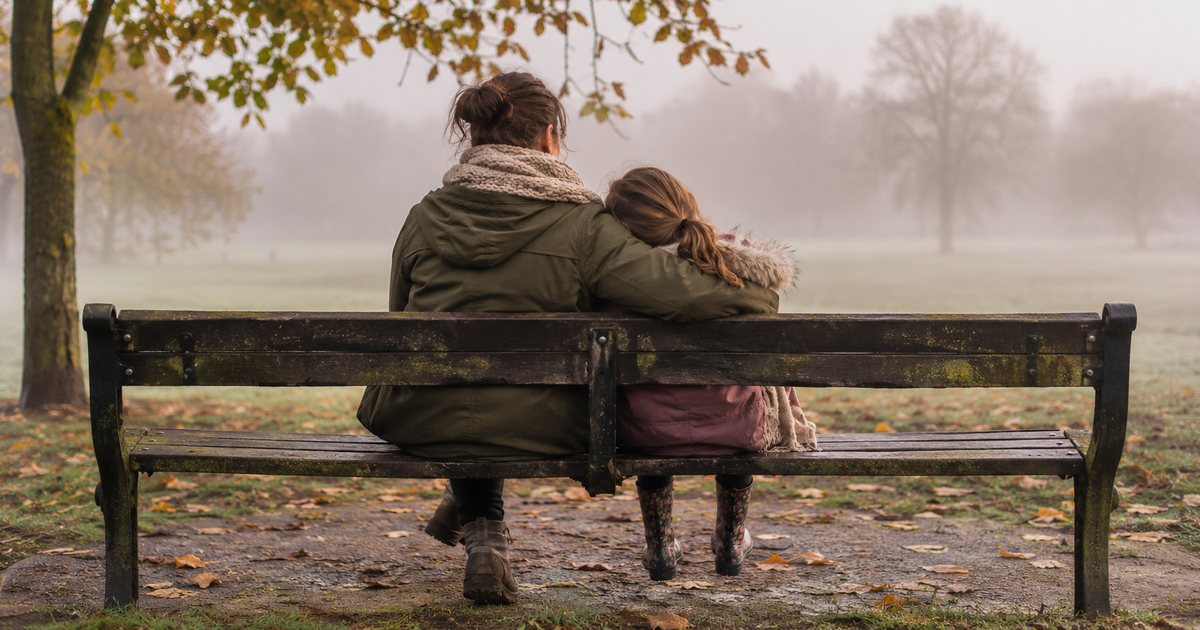
Take it seriously, even if it seems unlikely. "Nobody likes me" from a child in a happy house is still a real feeling, and arguing with it ("of course they do") tends to make a child feel even less heard. Instead, come closer. Sit beside them on the stair. Say what you notice: "It sounds like you feel a bit on your own today."
Then offer some time that is just theirs. It doesn't need to be long. Ten minutes of your full attention, phone away, doing whatever they choose, can fill a surprising amount of space. Let them lead. Listen more than you talk.
If they want to tell you more, let them. If they don't, that's fine too. Being with someone quietly is its own kind of answer to loneliness.
- Believe itTake the feeling seriously, even in a busy house, rather than arguing with it.
- Come closerSit beside them and gently say what you notice, so they feel seen.
- Give them timeOffer ten minutes of your full attention, phone away, doing whatever they choose.
- Quiet is fineIf they don't want to talk, simply being together is its own kind of answer.
Small ways to feel less alone
Loneliness eases when a child feels part of something bigger. Nature is good at this, gently. Try a regular "hello walk": the same short route each week, saying hello to the same things. The tree at the corner, the cat on the wall, the neighbour who waves. Over time a child builds a little web of familiar places, and with it a sense of belonging.
Feeding the birds helps too. Put out a few seeds at the same time each day and watch together from the window. Children love to be the one who looks after someone, and the birds keep coming back. It's a quiet daily lesson that you matter to others and that care is returned. For an older child, a small job that helps someone else, like watering a neighbour's pots, can do the same.
What you'll need
- Ten minutes, phone away, just for them
- A handful of bird seed
- A short route for a weekly hello walk
- A neighbour's pots to water
Our tips
- Believe the feeling, even in a busy house.
- Sit beside them and say what you notice, then let them lead.
- If they don't want to talk, being together quietly is enough.
For the fridge: one small step a day
- MonSit close and say what you notice
- TuePut out seeds for the birds
- WedTen minutes of play, their choice
- ThuHello walk: the tree, the cat, the wave
- FriWatch the birds come back together
- SatWater a neighbour's pots together
- SunAsk: who said hello to you this week?
Words to try
- "It sounds like you're feeling on your own today."
- "I'm glad you told me."
- "Shall we have some time, just us two?"
- "You matter to me, always."
- Try asking (afterwards): "When did you feel most like somebody was with you today?"
When to ask for more help
Talk to your child's school, GP or health visitor if your child seems lonely most days for several weeks, if they have stopped wanting to see anyone at all, or if the loneliness comes with low mood, poor sleep or changes in eating. The guide on a child who seems sad may also help. If you suspect your child is being deliberately left out or unkindly treated, speak to the school soon.
A week to try
For the fridge: one small step a day
- MonChoose a hello-walk route and its hello friends 15 mins
- TueTen minutes of full attention, phone away 10 mins
- WedFill the bird feeder and watch who comes 10 mins
- ThuFind three ways to help on one walk 20 mins
- FriInvite one child to the park 1 hour
- SatHello walk again: who said hello back? 20 mins
- SunAsk: when did you feel most like somebody was with you? 10 mins
We will put each day on your family calendar, starting today, with the matching mission ready to open.
Questions parents ask
Why does my child say nobody likes them?
Often it's a big, sweeping way of saying "today felt lonely". Young children speak in absolutes, and one hard breaktime can feel like the whole world. Don't argue or rush to reassure. Listen, ask gently what happened, and offer some close time. If it comes up again and again, have a quiet word with the teacher about what they're seeing.
Is it normal for my child to have an imaginary friend?
Yes, very. Imaginary friends are common in young children and usually a sign of a rich inner life, not of loneliness. They can be a way to practise conversations, try out feelings or simply enjoy company. It's worth noticing if your child seems to prefer them to real people over a long time, but most children grow out of them naturally.
How can I help my lonely child make friends?
Start small and low pressure. One child at a time, somewhere outdoors where there's something to do together, like a park, woods or a beach, works better than a big party. Shared activities take the pressure off talking. Meanwhile, keep your own warm connection strong at home, because that's the place children practise friendship first.
Wundoria is a set of eight story worlds for children aged 3 to 10, where every story ends with missions to do outside together. Our guides are written to support everyday family life; they are not medical advice. If you are worried about your child, talk to your GP or health visitor.
Play world one free All of feelings