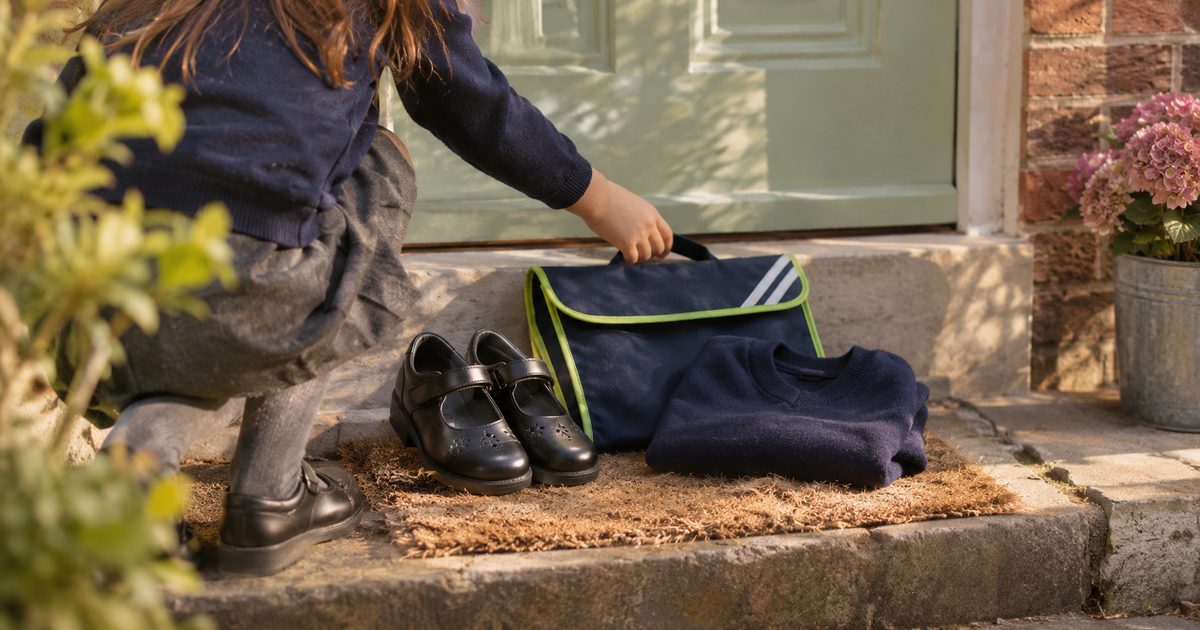
The uniform is hanging on the wardrobe door, still a little too big in the sleeves. The new shoes sit by the front door, very shiny. One minute your child is twirling in the jumper and asking how many sleeps; the next they're wrapped round your legs and won't let go. And you are proud, and nervous, and quietly a bit heartbroken that this chapter is closing.
Starting school is one of the biggest steps of early childhood. A little preparation, rooted in familiar rhythms and the comfort of being outside, can make the leap feel much smaller, for them and for you.
So much new, all at once
Starting school brings a pile of change in one go: new people, new rules, a new building, longer days and time away from you. It's normal for children to feel excited and anxious together, and for all of it to spill out at home as clinginess, tears, tiredness or big emotions.
NHS guidance notes that children may feel worried when starting school or nursery, and that preparing them in advance and explaining what's going to happen helps (NHS). Predictability shrinks the unknown, and the unknown is what feeds most worry.
So the aim is to make the new familiar before day one, build steady routines that can carry on through the school year, and keep home a calm, close place to come back to.
The first of many doorways
The way a child experiences this first big transition shapes how they meet the ones that follow: new classes, secondary school, university, new jobs. A child who finds out that new places become familiar, and that home is always there to return to, carries a quiet confidence that they can adapt. Roots first, then wings.
Getting ready, gently
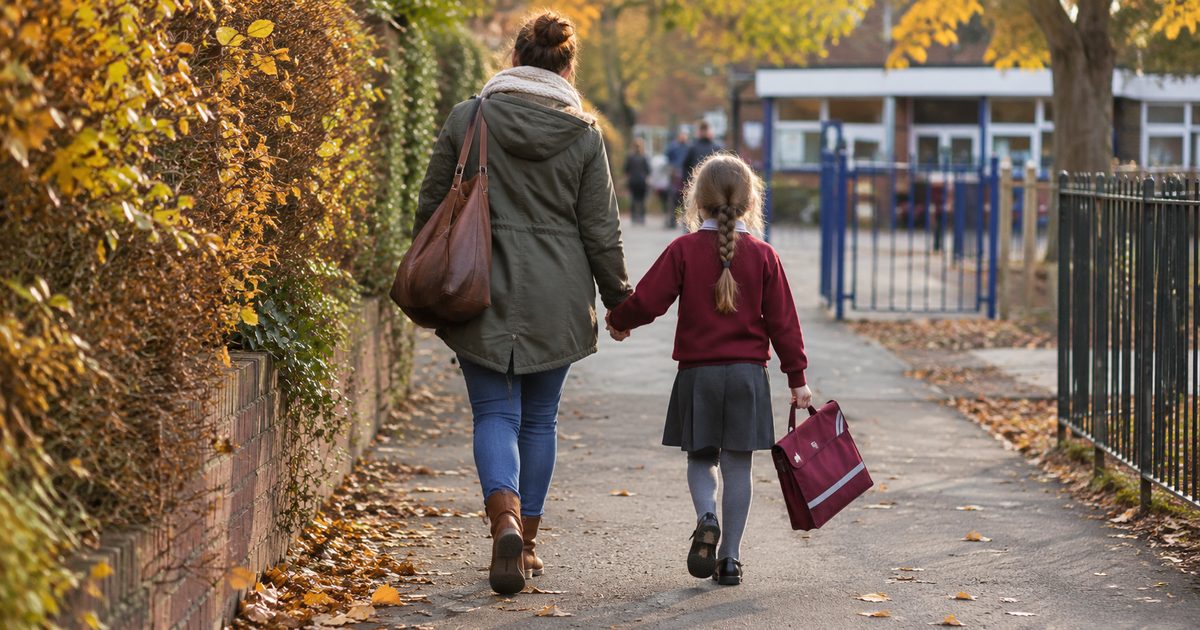
Walk the route together over the summer, more than once. Walk it or scoot it, and notice the landmarks as you go: a big tree, the garden with the cat in the window, a bridge over a stream. If you can, have a wander round the playground too. Familiarity is what turns a strange place into a known one. Little ones might choose a "school tree" to say hello to every day, and if there's an older sibling, let them lead the way.
A few practice mornings help as well, in the weeks before. Wake at the school-day time, have breakfast, get dressed in the uniform and walk the route. It will probably be a bit chaotic the first time. That's rather the point: rehearsing the rhythm makes the first real day feel less new. With three to five year olds, a picture chart of the morning steps helps. Older children can help pack the bag the night before.
Then the small, practical skills. Opening a lunch box, coats and shoes on, going to the toilet on their own, asking for help. These little things make the school day feel more manageable and give a real boost to confidence. Coats on, coats off can become a game for the youngest. Older children might practise how to ask an adult for help.
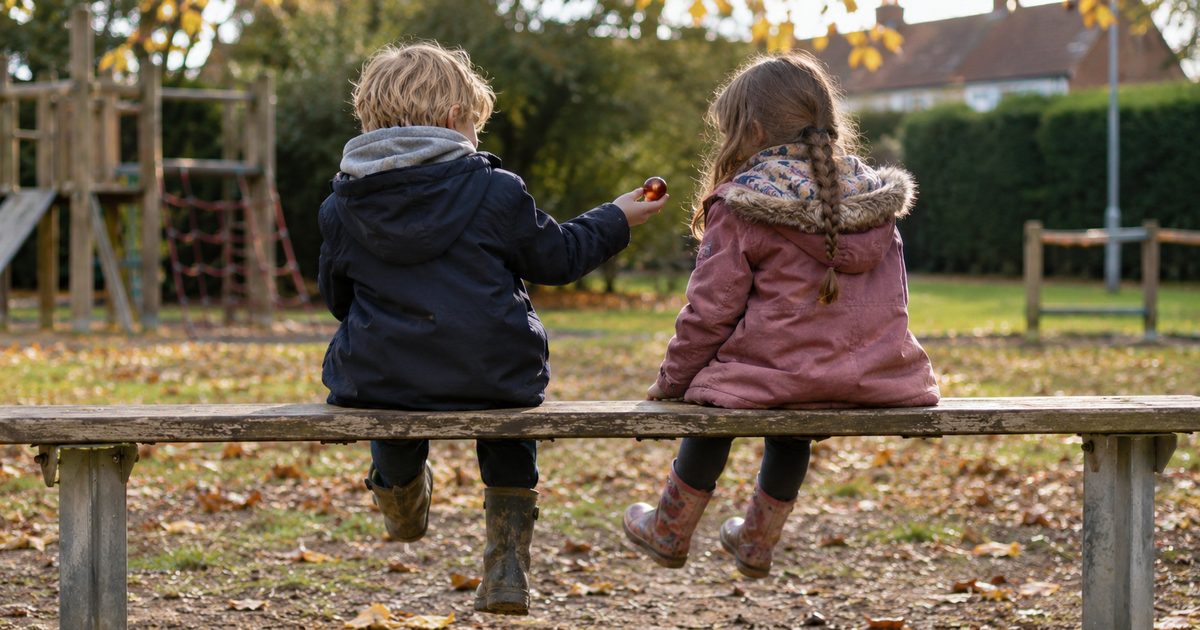
And when they come home, keep it soft. For the first few weeks, protect a quiet after-school stretch: a snack, a walk, gentle play, an early bedtime. Starting school is tiring, and children need time to recover, even the ones who insist they aren't tired at all. A park stop on the way home works well for little ones; older children might like a regular walk-and-talk slot.
- Walk the routeWalk or scoot to school over the summer and choose a school tree to say hello to each day.
- Practice morningsWake at school time, have breakfast, put on the uniform and walk the route a few times.
- Little skillsPractise coats and shoes, opening a lunch box and asking an adult for help, as a game.
- Soft afternoonsKeep the first weeks gentle after school: a snack, a walk, quiet play and an early bedtime.

Sun Sparkle, the smiling sunIn the stories, Sun Sparkle shows that a child's brightness is always there, even on cloudy days, like the sun behind passing clouds. Meet Sun Sparkle
What you'll need
- A few summer walks along the school route
- A school tree to say hello to
- Two or three practice mornings in uniform
- A lunch box to practise opening
- Quiet after-school time for the first weeks
Our tips
- Walk the route more than once, so the landmarks start to feel like old friends.
- Expect the first practice morning to be a bit chaotic. That is what it is for.
- Keep the first few weeks after school soft: a snack, a walk and an early night.
Words to try
Some things that might help on the doorstep, or at bedtime:
- "It's OK to feel excited and nervous at the same time."
- "Your teacher is there to help you. You can always ask."
- "I'll be right here at home time."
- Try asking: "What do you think our school tree will look like in winter?"
When to ask for more help
If your child is still very distressed after the first half-term, is refusing to go, or seems to be struggling with learning, friendships or toileting, talk to their teacher. Most schools are very used to supporting new starters.
Playbook: one week
For the fridge: one small step a day
- MonWalk the route, choose a school tree 30 mins
- TueCoats-on, coats-off game 10 mins
- WedPractice morning in uniform 30 mins
- ThuLunchbox opening practice at a picnic 20 mins
- FriRead a book about starting school 15 mins
- SatVisit the school playground 30 mins
- SunCalm evening, early bedtime 0 extra mins
We will put each day on your family calendar, starting today, with the matching mission ready to open.
Questions parents ask
How can I prepare my 4-year-old for starting reception in September?
Make the new familiar before the first day. Over the summer, walk the route to school several times, notice landmarks like a big tree, and visit the playground if you can. A few practice mornings in uniform, plus games that build small skills like putting on a coat or opening a lunch box, help the first real day feel much less new.
Why is my child so tired and grumpy after starting school?
Starting school is very tiring, with new people, new rules and longer days all at once, so big feelings often spill out at home. It helps to keep after-school time quiet for the first weeks: a snack, a gentle walk or a park stop, some quiet play and an early bedtime. Children need this recovery time while they settle.
Is it normal for my child to be excited about school one minute and clingy the next?
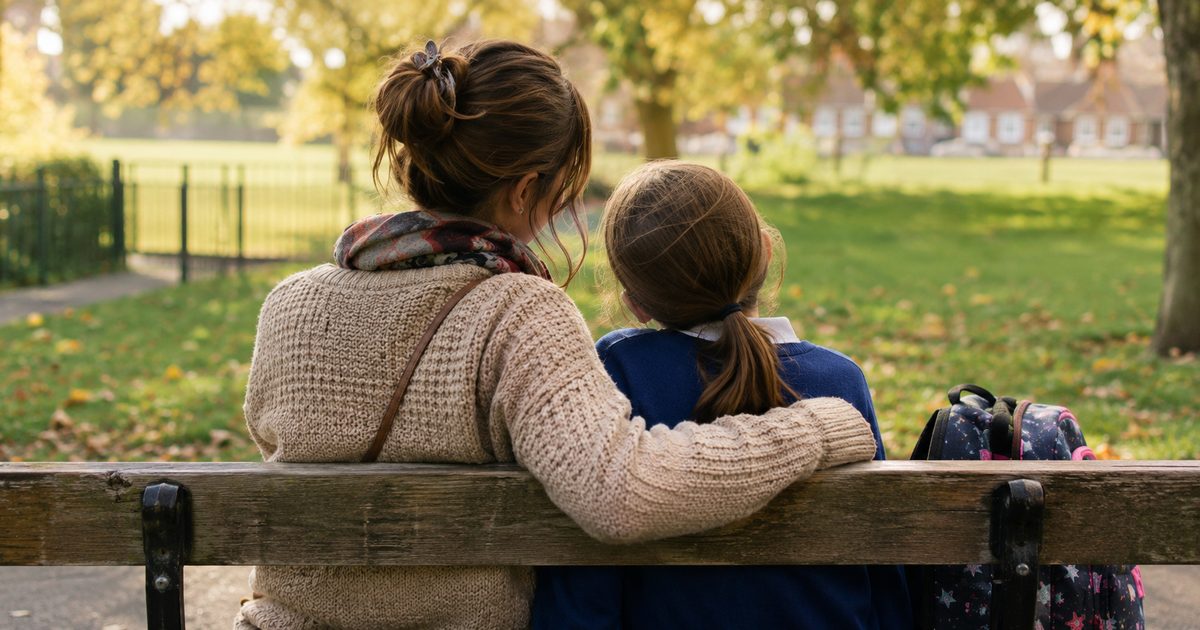
Yes, it is very normal for children to feel excited and anxious at the same time about such a big change. You can name both feelings for them, saying it is OK to feel excited and nervous together. Reassure them that their teacher is there to help and that you will be right there at home time.
Feelings in this guide
Wundoria is a set of eight story worlds for children aged 3 to 10, where every story ends with missions to do outside together. Our guides are written to support everyday family life; they are not medical advice. If you are worried about your child, talk to your GP or health visitor.
Play world one free How Wundoria works