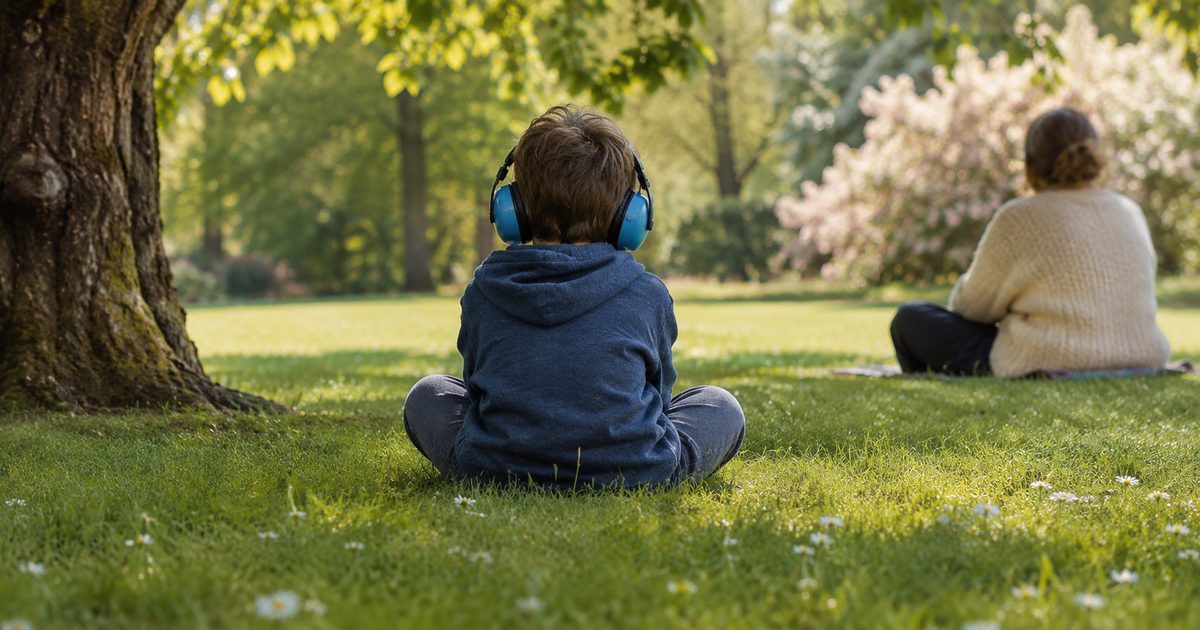
It starts with the wrong cup. Or the wrong sock, or a tower that fell over at the last brick. And suddenly your funny, sweet seven-year-old is shouting, a door slams, and there it is: "I hate you". Ten minutes later they're curled up beside you on the sofa as if none of it happened, while you sit there still shaken, wondering where that storm blew in from.
Anger in a child can be frightening to watch. It's also one of the most honest feelings there is. Underneath it, nearly always, is something softer that hasn't found its words yet.
Why the storm comes so fast
Anger is energy. When a child feels blocked, treated unfairly, tired, hungry or hurt, the brain's emotional centre reacts in an instant, long before the thinking part gets a say. In children, that thinking part is still being built, so the gap between feeling and doing is very short. That's why the reaction so often looks far bigger than the cause.
Anger is also often a cover. Beneath it there may be disappointment, embarrassment, fear or plain exhaustion. "Why is my child suddenly so angry?" is one of the questions parents search for most (Child Magazine), and the answer is often found by asking what happened just before: a hard day at school, an empty tummy, a change at home.
What helps follows on quite simply. The energy needs a safe way out of the body, and the feelings need names. Children who can say "I'm furious" or "that felt unfair" need to shout and throw less, because the words carry some of the weight.
The grown-up they're becoming
Anger doesn't go away with age; it just gets taller. A five-year-old who learns that angry energy can be stomped out in the garden becomes the ten-year-old who goes for a run after losing a match, and the teenager who can say "I need a minute" instead of slamming a door. Quietly, this is how we raise adults who can disagree without wrecking things, and who will stand up for what's fair.
Giving the fire somewhere to go
Make room every day for a stomp, a run or a throw. Angry energy needs a regular, physical outlet before it's needed, not only during the storm. Stamp in puddles, throw pine cones at a tree trunk, race to the gate, push against a wall like a strong animal. Daily movement outdoors drains the reservoir, so the small frustrations don't spill over. Little ones of 3 to 5 love to stomp like a dinosaur and roar like a lion. Nine- and ten-year-olds can choose their own daily run, bike ride or kickabout.
Once the storm has passed, try naming it together. Cross, furious, fed up, embarrassed, jealous. People sometimes call this "name it to tame it", and putting a feeling into words does seem to help the thinking brain take back the wheel. A feelings word list on the fridge that you add to over time works well. Younger children often find weather words easier, like "a thunder feeling". Older ones might rate it from 1 to 10 and work out what pushed it up.
In the middle of an outburst, reasoning just bounces off, so calm the body first and talk later. Stay close, keep your voice low and slow, keep everyone safe, and wait. That waiting is harder than it sounds, especially when you're tired yourself. Once their breathing settles, offer water, a hug or a walk outside. The talking can happen on the walk, side by side, which feels far less confronting than face to face. With a little one, just sit nearby and breathe slowly where they can see you. With a 9- or 10-year-old, agree a signal together that means "I need space".
And keep an eye out for the hidden fuel. Hunger, tiredness and too much rushing turn small problems into big ones. A steady rhythm of meals, sleep and unhurried time outdoors makes the fuse a little longer. For 3- to 5-year-olds, a snack straight after nursery or school can change the whole evening. Older children can start to notice their own warning signs, like a hot face or tight fists.
- A daily stompMake room every day to stomp in puddles, race to the gate or throw pine cones at a tree.
- Name it togetherOnce the storm has passed, find the words together: cross, furious, fed up, embarrassed.
- Body first, talk laterStay close and keep your voice low and slow, then talk side by side on a walk.
- Watch the hidden fuelHunger, tiredness and rushing shorten the fuse, so keep meals, sleep and pace steady.
What you'll need
- Wellies for a daily puddle stomp
- Pine cones and a sturdy tree trunk
- A feelings word list on the fridge
- A snack ready straight after school
Our tips
- Give their energy a daily outlet before it is needed, not only in the middle of a storm.
- Save the talking for later, side by side on a walk, once their breathing has settled.
- Ask what happened just before. Hunger, tiredness or a hard day is often underneath.
Words to try
- "You're really angry. I'm here, and I'll keep everyone safe."
- "It's OK to feel angry. It's not OK to hurt. Let's stomp it out in the garden."
- "Was it an unfair feeling, or a disappointed feeling, or both?"
- Try asking: "If your anger was a weather, what would it be today?"
When to ask for more help
If outbursts are very frequent, last a long time, put your child or others at risk, or are causing problems at school or with friends, talk to your GP, health visitor or school. You're not failing by asking; you're giving your child more people on their side.
Playbook: one week
For the fridge: one small step a day
- MonStart a feelings word list on the fridge 10 mins
- TuePuddle stomp or pine-cone throw 15 mins
- WedAfter-school snack, then a walk and talk 20 mins
- ThuRace to the gate and back, three times 10 mins
- FriAdd two new feeling words from the week 5 mins
- SatBig outdoor energy: woods, beach or park 1-2 hours
- SunAgree a calm-down signal together 10 mins
We will put each day on your family calendar, starting today, with the matching mission ready to open.
Questions parents ask
Is it normal for a 7-year-old to shout 'I hate you' when they're angry?
Yes, it is a common way for big feelings to burst out before the thinking brain catches up. Underneath, there is often disappointment, embarrassment, tiredness or hurt. Stay calm and keep everyone safe in the moment, then once things settle, help them find a truer word for the feeling, such as cross, unfair or fed up.
What should I do in the middle of my child's angry outburst?
Focus on calming the body first and save the talking for later, because reasoning bounces off during a storm. Stay close, keep your voice low and slow, and keep everyone safe. Once their breathing settles, offer water, a hug or a walk outside, and talk side by side, which feels much less confronting than face to face.
Why is my child so angry after school?
Hunger, tiredness and a long day of holding it together can turn small frustrations into big ones by home time. Try a snack straight after school, then some unhurried time outdoors before any questions. A daily run, stomp or kickabout also drains angry energy so it has somewhere to go before it overflows.
Feelings in this guide
Wundoria is a set of eight story worlds for children aged 3 to 10, where every story ends with missions to do outside together. Our guides are written to support everyday family life; they are not medical advice. If you are worried about your child, talk to your GP or health visitor.
Play world one free How Wundoria works