You said no to the chocolate in the supermarket queue. That was all. Now your three-year-old is face down on the floor, legs going like a wind-up toy, and the whole shop is very politely looking at the magazines. You feel hot, judged and helpless all at the same time, and the queue is not moving.
Every parent standing in that line has either been you or will be. A tantrum isn't a sign that something is wrong with your child, or with you. It's a small person with very big feelings and not yet enough words to put them in.
A house with the upstairs unfinished
Tantrums are very common, and almost all young children have them. They happen because young children can't yet express themselves easily, and NHS guidance notes that not all tantrums can be prevented, because they're a normal phase (NHS Healthier Together).
It can help to picture a toddler's brain as a house where the downstairs (feelings, instincts) is fully built, but the upstairs (calming down, waiting, planning) is still scaffolding and dust sheets. When a feeling floods in, there's nowhere upstairs for it to go. The child isn't choosing the meltdown. They're caught in it, the same way you would be caught in a downpour.
Tantrums also tend to gather around a few familiar triggers: hunger, tiredness, moving from one thing to the next, too much noise, and the frustration of wanting an independence they can't quite manage yet. So while you can't stop every storm, you can make the weather a good deal calmer.
What a calm grown-up teaches without a word
The toddler years are when children first find out that feelings come and go, and that the people who love them stay. Each tantrum met with calm (or something close to calm, on a bad day) teaches a lesson that lasts: big feelings are survivable, and I'm not alone in them. That's the ground under the eight-year-old who can say "I need a hug" instead of exploding, and under the adult who can sit with a hard feeling without being swept off.
Small things that change the weather
Toddlers take real comfort from knowing what comes next, so keep the days predictable and the warnings gentle. A simple daily rhythm (wake, eat, outside, rest, play, eat, bath, bed) carries a lot, and so does a heads-up before a change: "After two more swings, we'll go home for lunch." A surprising number of tantrums are really trouble with transitions. Picture cards of the day work well for 3- to 5-year-olds, and children of six and up can help plan the order themselves.
Offer little choices, all day long. A child who feels powerless will grab at power in the loudest way available, usually in public. Small, real choices let them feel big in safe ways: the red cup or the blue one, wellies or trainers, the park or the woods. With 3- to 5-year-olds, give two options that are both fine with you. Older children can have three, or suggest one of their own.
Go weather watching. Spend time outside noticing the real thing: clouds rolling in, rain falling, the sun coming out again. Then borrow it as a shared language. "You had a stormy feeling. Look, the storm's passing now." Children seem to understand weather in their bones, and it shows them that feelings move through and clear. Little ones can point at clouds and name them as feelings. Older children might keep a weather diary and a feelings diary side by side.
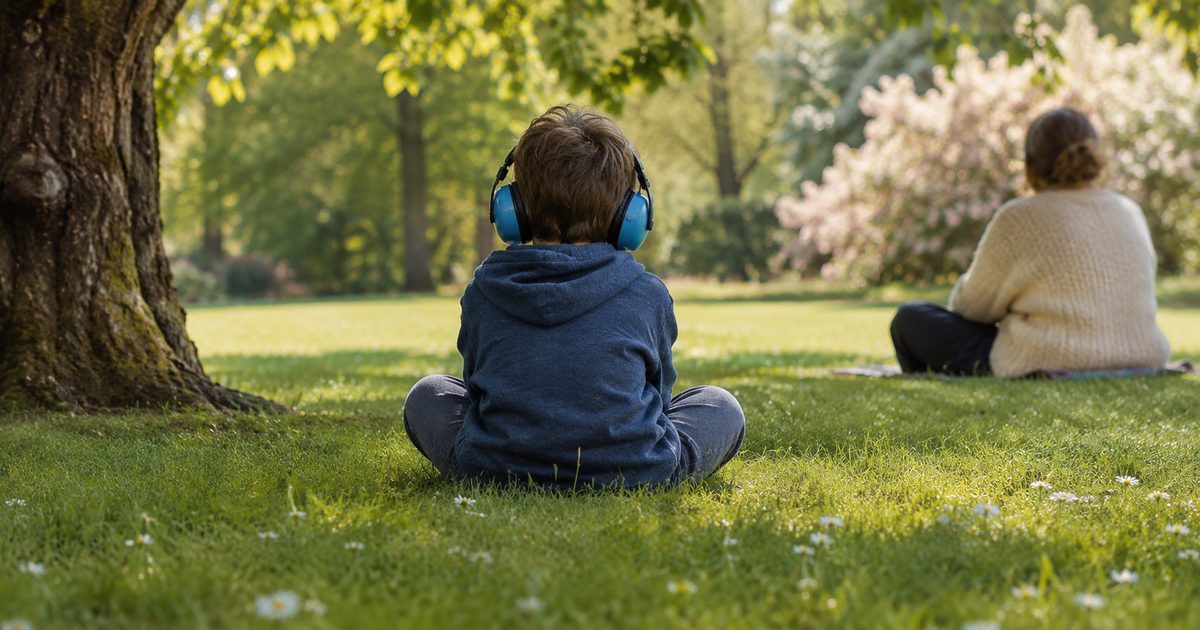
Finally, make a calm spot, indoors and out. A cosy corner at home with cushions, a soft toy and a picture of a calm outdoor place, and a matching spot outside, such as a bench or a big tree you pass often. This isn't a punishment place. It's somewhere you go together until the storm passes. With a 3- to 5-year-old, go there with them every time. Older children can choose to go alone and come back when they're ready.
- Predictable daysKeep a simple daily rhythm and give a gentle warning before every change.
- Little choicesOffer two small options, both fine with you, so they feel big in safe ways.
- Weather watchingWatch real clouds and rain pass, then use weather as your shared feelings language.
- A calm spotA cosy corner indoors and a bench or tree outside, somewhere to go together.

Dragon Delight, the water dragonIn the stories, Dragon Delight shows children that feelings are like water: they are meant to flow through, then settle into a calm pool. Meet Dragon Delight
What you'll need
- Picture cards of the daily rhythm
- A cosy corner with cushions and a soft toy
- A bench or big tree as an outdoor calm spot
- A few minutes for cloud watching
Our tips
- Give a gentle heads-up before every change, like two more swings, then home for lunch.
- Offer two small choices that are both fine with you, all through the day.
- Go to the calm spot together. It is a place to wait out the storm, never a punishment.
Words to try
- "You really wanted that. It's so hard to hear no."
- "I'm right here. I'll wait with you until the storm passes."
- "Look, the sun's coming back out. Shall we have a cuddle?"
- Try asking (afterwards): "Was that a big rain feeling or a little rain feeling?"
When to ask for more help
If tantrums are very frequent, very intense, involve hurting themselves or others, or carry on well past age four or five, talk to your health visitor or GP. They can rule out things like hearing or speech difficulties that make frustration harder.
Playbook: one week
For the fridge: one small step a day
- MonMake picture cards for the daily rhythm 20 mins
- TueCloud watching, name the feelings 10 mins
- WedOffer three small choices before lunch 0 extra mins
- ThuBuild the cosy calm corner together 20 mins
- FriFind the outdoor calm spot on a walk 15 mins
- SatRain or shine walk, splash in what you find 45 mins
- SunTalk about the week's weather and feelings 10 mins
We will put each day on your family calendar, starting today, with the matching mission ready to open.
Questions parents ask
Is it normal for a 3-year-old to have tantrums every day?
Tantrums are very common at this age and almost all young children have them. A toddler's feelings arrive faster than their ability to calm down or explain, so frequent storms are part of the phase. Look for patterns around hunger, tiredness, transitions and noise, and keep the day's rhythm predictable to make the weather calmer.
How do I handle a toddler tantrum in a supermarket?
Stay close, stay calm and let the storm pass rather than trying to reason in the middle of it. Name the feeling simply, such as "you really wanted that, it's so hard to hear no", and wait with them. Planning ahead helps too: shop after a snack and a rest, and give gentle warnings before it's time to leave.
Is a calm corner the same as time out?
No. A calm corner is not a punishment place but somewhere cosy to go together until big feelings pass. Fill it with cushions, a soft toy and a picture of a calm outdoor spot, and find a matching place outside, like a bench or a big tree. Young children need you there with them every time.
Feelings in this guide
Wundoria is a set of eight story worlds for children aged 3 to 10, where every story ends with missions to do outside together. Our guides are written to support everyday family life; they are not medical advice. If you are worried about your child, talk to your GP or health visitor.
Play world one free How Wundoria works