Why nature connection matters for children
Children today live in a world that often feels busy, noisy and full of distractions. Between screens, schoolwork and schedules, kids can lose touch with the slower, steadier rhythms of life. That is where nature connection comes in.
When a child spends time outdoors, whether lying on the grass, climbing a tree or planting seeds, their nervous system slows down. They breathe more deeply, their body relaxes and their mind becomes calmer. In a way, Mother Earth acts as a natural reset button.
Nature connection is part of raising compassionate, mindful children who understand their place in a wider web of life.
Benefits for emotional wellbeing
Spending even a short time in nature can completely shift a child's emotional state. Many parents notice their children are calmer, happier and more focused after time outside.
- Lower stress: outdoor play helps release tension and anxiety.
- Better focus: green spaces are known to improve attention span.
- More empathy: when children feel connected to animals and plants, they naturally show more kindness towards people too.
Think about those small moments: a child running barefoot across soft grass, listening to birdsong or watching clouds drift by. These simple experiences help children feel grounded and safe in their emotions.
Building resilience and calm
Nature also teaches resilience. Weather changes, plants take time to grow, and sometimes seeds don't sprout at all. These gentle lessons help children understand patience, acceptance and adaptability.
Grounded children who spend time in nature often:
- Bounce back more easily when things don't go their way.
- Find calm in everyday moments, like noticing the breeze or sitting under a tree.
- Learn patience by watching a garden grow.
Every cycle in nature shows children that change is normal, and that calm can always be found again.
What it means to raise a "grounded" child
A grounded child feels steady, safe and connected, both to themselves and to the world around them. They are not perfectly behaved all the time, but they have the tools to come back to balance when life gets overwhelming.
Grounded behaviours look like
- Saying "I need a break" instead of having a meltdown.
- Noticing when a friend, sibling or pet needs comfort.
- Staying focused in play or reading without becoming restless.
- Getting upset but being willing to try again.
- Repairing arguments by apologising or suggesting a solution.
In simple terms, a grounded child is balanced enough to return to calm, even after strong emotions.
Mother Earth as teacher
Nature is one of the best teachers children could ever have. Without words, the Earth shows children how to live in balance, how to slow down and how to notice the beauty in everyday moments.
Cycles, seasons and balance
Through the cycles of the Earth, children naturally learn:
- Letting go from autumn leaves falling.
- Patience from waiting for seeds to sprout.
- Renewal from spring blossoms.
- Rest from the quiet of winter nights.
Practical life lessons
- Caring for plants builds responsibility.
- Watching fruit ripen teaches patience.
- Rescuing a worm after rain sparks empathy.
- Stargazing nurtures awe and wonder.
Bedtime: the perfect moment for nature connection
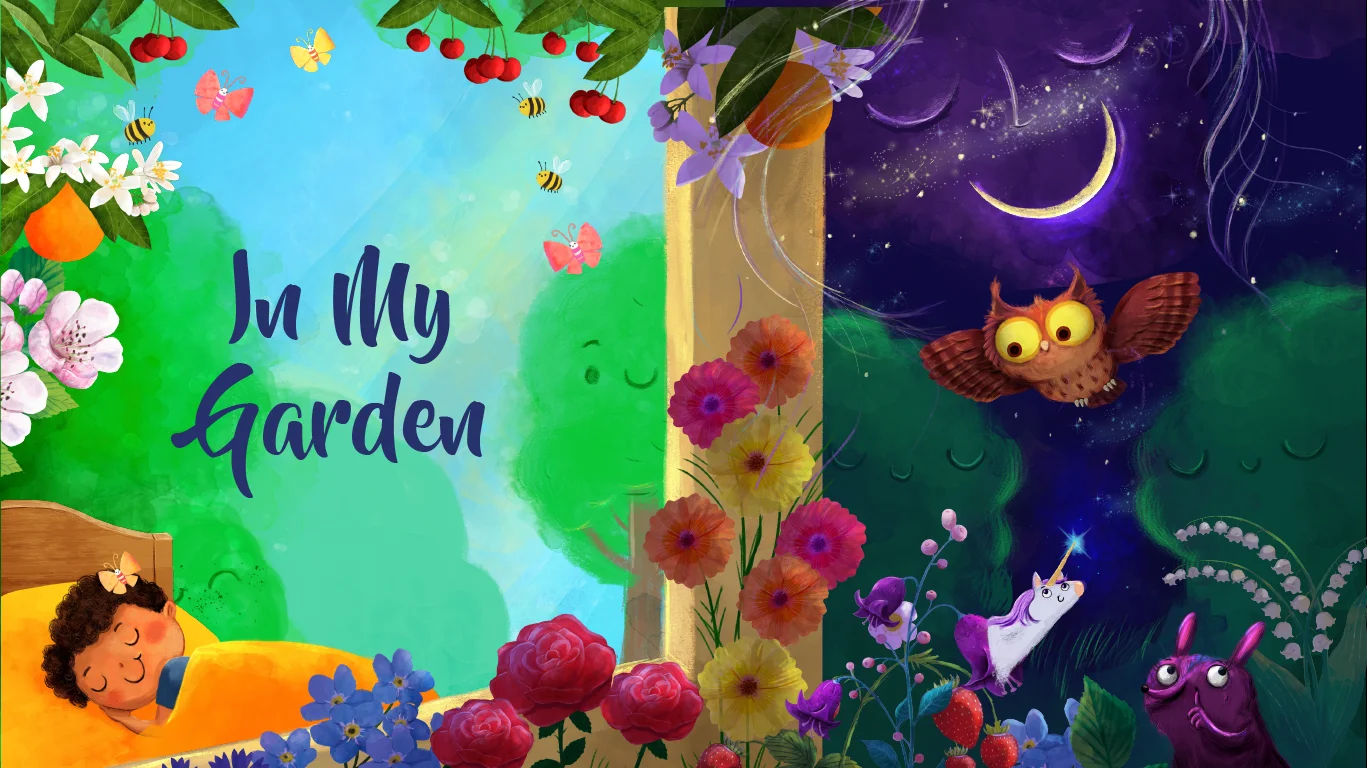
Bedtime can feel like a battle, but it can also become the most grounding moment of the day. Children thrive on routine, and evening rituals create a sense of safety. When those rituals are inspired by nature, they become even more powerful: the sun setting, the moon rising, the Earth resting.
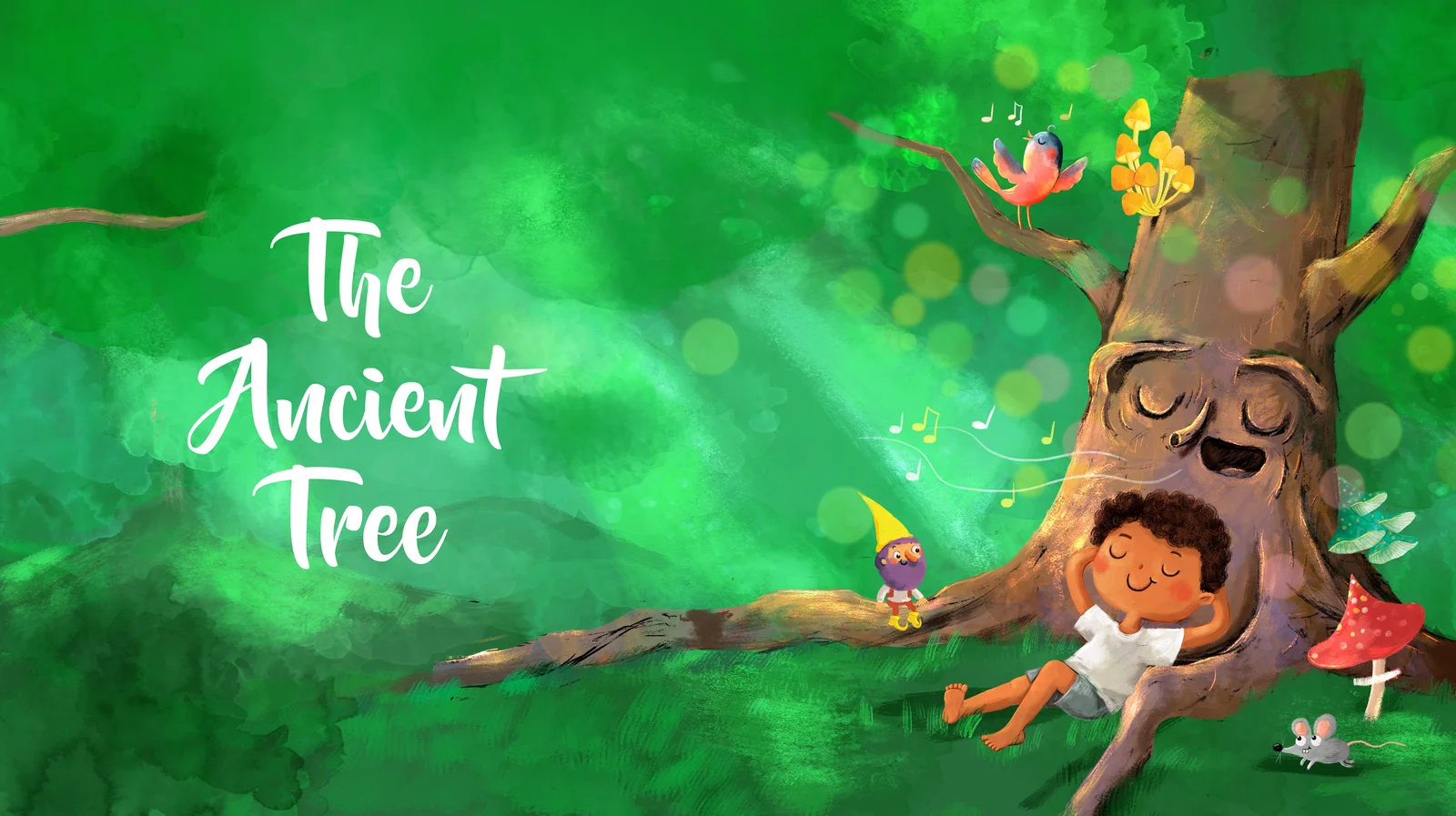
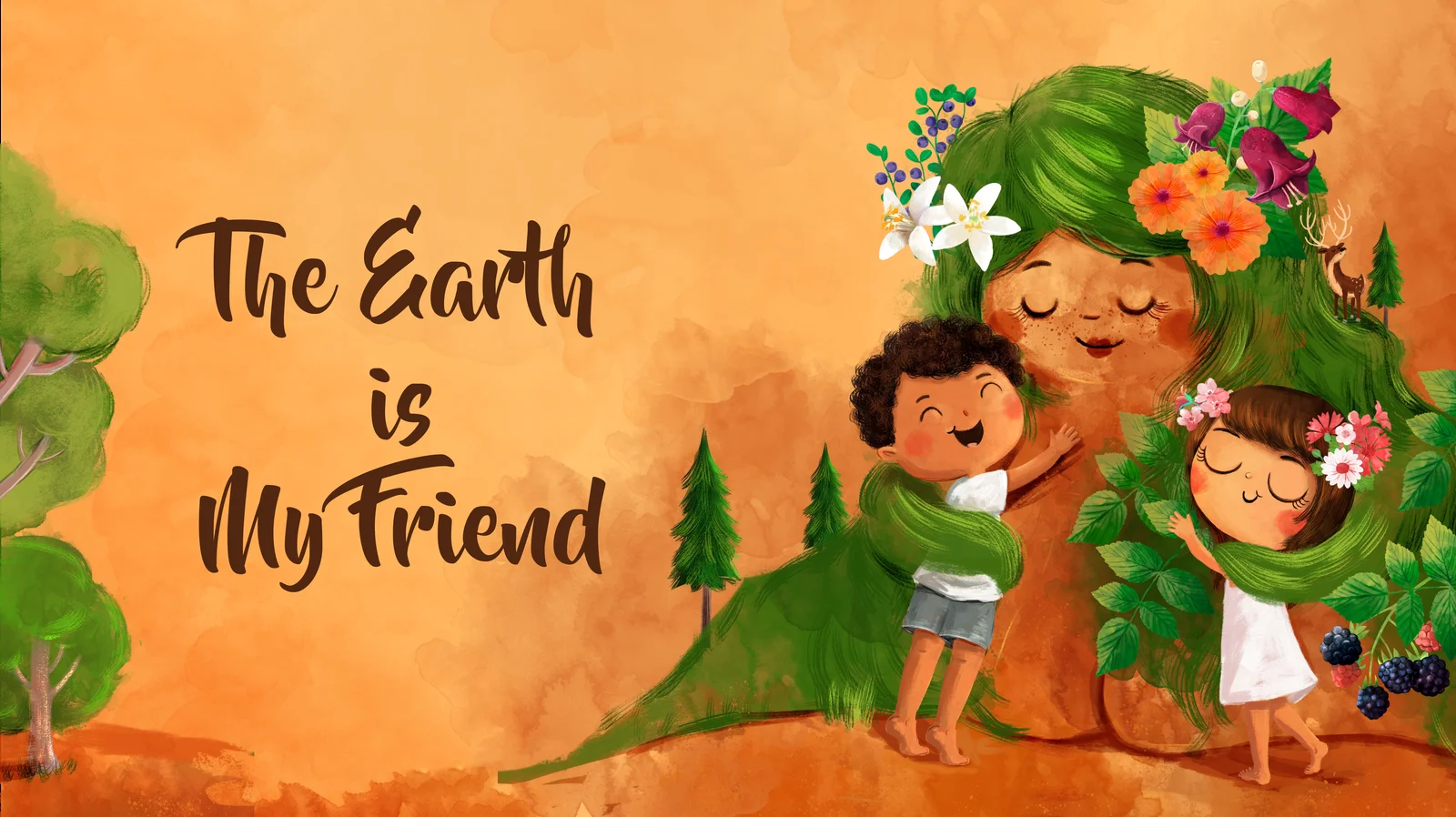
Stories are one of the easiest ways to bring grounding into bedtime. They calm the nervous system, spark imagination and reassure children that they are safe and loved. A wise tree, a smiling moon or a friendly Earth character can make children feel both comforted and connected. Try weaving in short affirmations and nature story-poems such as The Earth Is My Friend, Moon Smile and The Ancient Tree.
Grounding tools for parents
Grounding doesn't need to be complicated. Small, consistent practices make the biggest difference.
- Affirmations: gentle phrases like "I am calm, I am safe, I am loved."
- Story-poems: short bedtime tales rooted in nature.
- Daily rituals: gratitude at dinner, a short walk after school, or simply watching the sky together.
- Breathing games: "smell the flower, blow the dandelion" to slow the breath and relax the body.
- AffirmationsShare gentle phrases together, like "I am calm, I am safe, I am loved."
- Story-poemsEnd the day with short bedtime tales rooted in nature: a wise tree, a smiling moon.
- Daily ritualsKeep a small rhythm: gratitude at dinner, a short walk after school or watching the sky.
- Breathing gamesSmell the flower, blow the dandelion, to slow the breath and relax the body.
Questions parents ask
How can I help my child connect with nature at home?
Start small. Grow herbs on a windowsill, set up a bird feeder, or create a little nature basket where your child can place stones, leaves or shells they collect. Even looking at the sky together each day builds connection.
What are grounding activities for kids?
Simple things that help children feel calm and present: walking barefoot on safe grass, pushing a laundry basket, listening to bird calls, cloud-watching or sharing a bedtime story.
Do bedtime stories really reduce anxiety?
Yes. Bedtime stories lower stress by creating routine and closeness. Nature-inspired stories add another layer of calm, reminding children of the steady rhythms of the Earth.
Feelings in this guide
Wundoria is a set of eight story worlds for children aged 3 to 10, where every story ends with missions to do outside together. Our guides are written to support everyday family life; they are not medical advice. If you are worried about your child, talk to your GP or health visitor.
Play world one free How Wundoria works