
The football boots are still in the bag from last term, barely scuffed. Saturday mornings at the club meant tears in the car and a small figure standing very still at the edge of the pitch, hoping the ball wouldn't come their way. Now there's a PE kit to remember, and a tummy ache that seems to appear every Thursday.
It's easy to worry that a child who doesn't like sport will grow up not liking to move. But sport and movement are not the same thing. Plenty of children who hate team games love climbing, dancing, swimming, digging or wandering for miles looking for frogs. They just haven't found their kind of moving yet, or nobody has told them it counts.
Why some children shy away from sport
At 3 to 5, children are still learning how their bodies work. Catching, kicking and running in a straight line come at very different ages, and a child who is a little behind can feel it keenly. Organised games with rules and whistles can be overwhelming at this age, too. Many small children simply prefer to play their own way.
At 6 to 10, sport gets more competitive. Teams are picked, scores are kept, and children start comparing themselves. A child who is often picked last, or who feels clumsy, may decide early that they're "not sporty" and stop trying. Others are sensitive to noise, shouting or being watched. Some just don't care who wins, and find it hard to see the point.
None of this means anything is wrong. It means the movement on offer doesn't fit them yet.
Widening what counts as moving
The heart of it is to stop measuring movement by sport, and start noticing what your child already loves doing with their body.
Watch them for a week. Do they climb on everything? Spin round in circles? Make up dances? Build dens? Swing on the gate? That's the clue. A climber might love bouldering or just a good tree. A spinner might love dance or gymnastics. A builder might love gardening, digging and carrying logs. A wanderer might love long walks with a mission.
Take the pressure off. Try things without signing up for a whole term, and let it be fine to stop. Keep comparison out of it, especially with siblings or friends. Notice effort and enjoyment out loud rather than skill: "You looked like you were having fun up there" lands far better than "You're getting good".
Move with them. Children who don't like being watched often love moving alongside a grown-up who is also a bit wobbly. If your child has started to feel down on their body or what it can do, the full guide on body image in children is worth reading.
- Watch firstNotice what they already love doing: climbing, spinning, building, wandering. That's the clue.
- Try, don't sign upTry new things once or twice without a whole term, and let it be fine to stop if it isn't for them.
- Praise the funNotice enjoyment and effort out loud, not skill, and leave comparison with others out of it.
- Move alongsideChildren who hate being watched often love moving next to a grown-up who is a bit wobbly too.
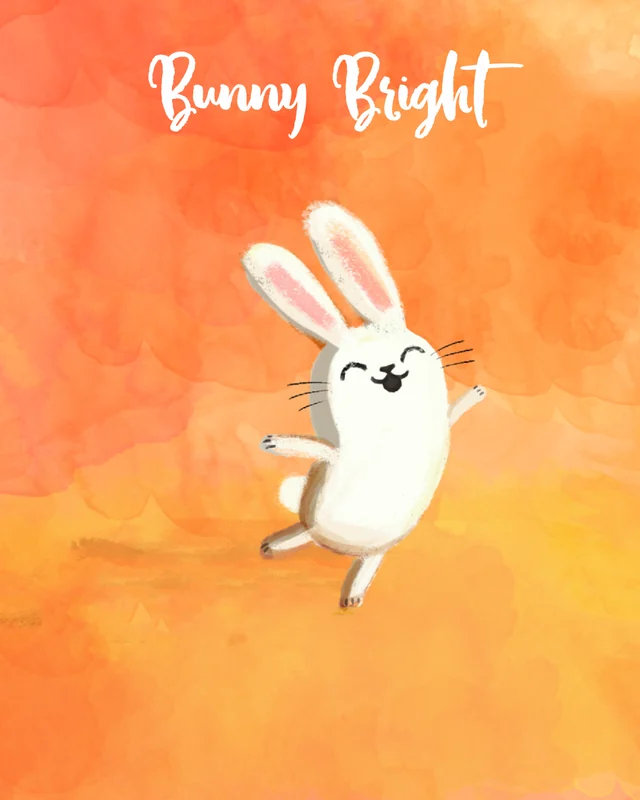
Bunny Bright, the heart sparkIn the stories, Bunny Bright is pure aliveness, the reminder that a child's body is something to enjoy and marvel at: hands that touch, feet that dance. Meet Bunny Bright
Movement without a scoreboard
Nature is full of movement that has no winners. Climbing a tree, scrambling up a bank, crossing a stream on stepping stones, rolling down a hill, kicking through leaves. Nobody is picked last for any of these.
Try a regular wild wander somewhere with a bit of rough ground. Let your child set the pace and the challenge. Older children might like trying something a little harder each time, like a higher branch or a longer log. Little ones might just want to splash in the same stream every week, and that's fine too.
If your child is drawn to a bit of height and wobble, the page on risky play explores it more. And if sport has left them feeling small, pride in what their body can do may need a gentle rebuild.
What you'll need
- A week of quietly watching them play
- A good climbing tree or a rough bank
- A stream with stepping stones
- One try of something new, no sign-up
Our tips
- Watch what they already love doing with their body. That is the clue.
- Try it once, just to see. It's alright to stop if it isn't for them.
- Notice the fun out loud, not the skill, and leave comparison out of it.
For the fridge: one small step a day
- MonNotice how they love to move
- TuePut music on and dance, a bit wobbly too
- WedRoll down a grassy hill together
- ThuTry one new thing, just once
- FriCross a stream on stepping stones
- SatA wild wander at their pace
- SunAsk: when did your body feel happiest?
Words to try
- "You don't have to like football. Let's find what you do like."
- "Your body is brilliant at climbing. Did you feel that?"
- "Shall we try it once, just to see?"
- "It's alright to stop if it isn't for you."
Try asking (afterwards): "When did your body feel happiest today?"
A week to try
For the fridge: one small step a day
- MonWatch how they love to move, and name it 0 extra mins
- TueClimb a tree or scramble up a bank 20 mins
- WedTry a new kind of moving, with no term to sign up for 30 mins
- ThuMove like animals together 10 mins
- FriWild wander on rough ground 30 mins
- SatBuild a den, carrying the logs 1 hour
- SunThank your body for what it did this week 5 mins
We will put each day on your family calendar, starting today, with the matching mission ready to open.
Questions parents ask
What can I do if my child hates sport?
Start by widening what counts. Climbing, dancing, swimming, gardening, scootering and long nature walks are all real movement. Notice what your child already enjoys doing with their body and offer more of that. Try new things without committing to a whole term, keep comparison out of it, and praise enjoyment rather than skill.
Should I make my child do a team sport?
It's worth encouraging children to try things, but forcing a team sport they dread rarely builds a love of moving. It can teach them that exercise is something to endure. If they're reluctant, look for activities with less competition, like swimming, climbing or dance, or simply more active play outdoors. Some children come back to team games later, in their own time.
Is it normal for my child to be uncoordinated?
Children develop coordination at very different rates, and many young children seem clumsy for a while. Plenty of free, playful movement, like climbing, balancing and throwing things outdoors, helps it grow. If you're worried that your child is falling over much more than others their age or finding everyday movements very hard, talk to your GP or health visitor.
Wundoria is a set of eight story worlds for children aged 3 to 10, where every story ends with missions to do outside together. Our guides are written to support everyday family life; they are not medical advice. If you are worried about your child, talk to your GP or health visitor.
Play world one free All of movement